
What Food Is Served on Mount Kilimanjaro?
Climbing Mount Kilimanjaro is physically demanding, and proper nutrition plays a critical role in summit success.
One of the most common concerns climbers have before booking is:
What kind of food will I eat on Kilimanjaro?
Many imagine basic rations or limited supplies. In reality, reputable operators provide surprisingly nutritious, well-balanced, and freshly prepared meals throughout the expedition.
This guide explains what you can expect to eat each day on the mountain and how proper nutrition supports acclimatization and performance.
Is the Food on Kilimanjaro Good?
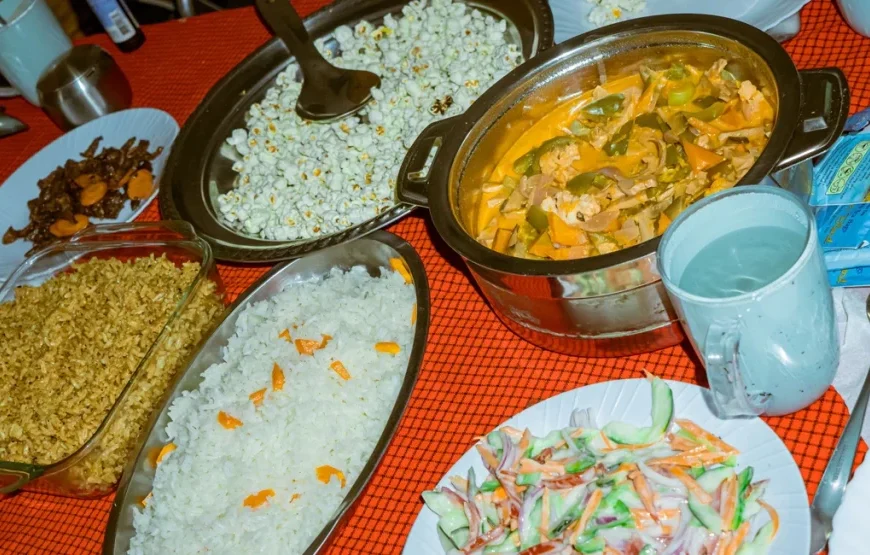
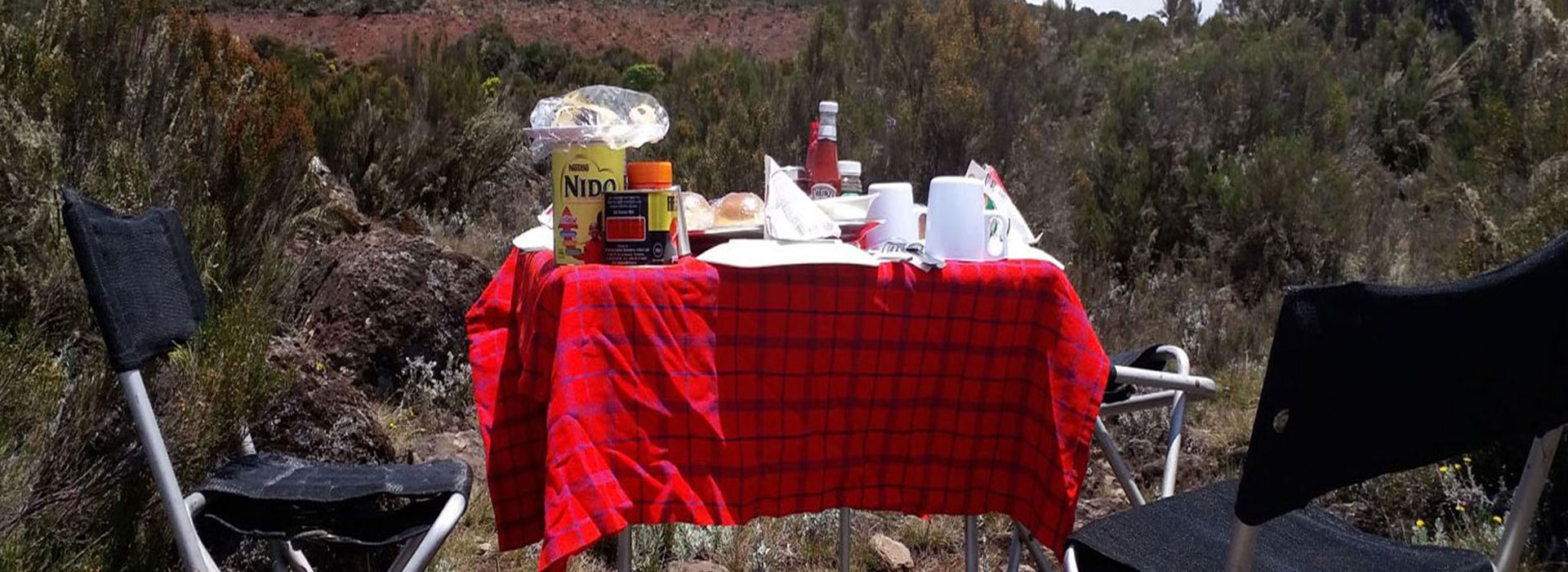
Yes, when climbing with a professional operator, food quality is far better than most climbers expect. Dedicated mountain chefs travel with the team and prepare hot meals daily. Porters carry fresh ingredients, cooking equipment, and dining tents to each camp.
Meals are designed to provide:
- High energy
- Balanced carbohydrates and protein
- Easy digestion at altitude
- Proper hydration support
Even at high elevations, climbers receive warm, freshly prepared dishes.
Breakfast on the Mountain
Breakfast is one of the most important meals of the day. It fuels your body for 4–6 hours of hiking.
A typical Kilimanjaro breakfast may include:
- Porridge
- Eggs (boiled, fried, or omelet)
- Toast with jam or peanut butter
- Sausages
- Pancakes
- Fresh fruit
- Tea, coffee, or hot chocolate
Even if altitude reduces appetite, guides encourage you to eat as much as possible to maintain strength.
Lunch: On the Trail or at Camp
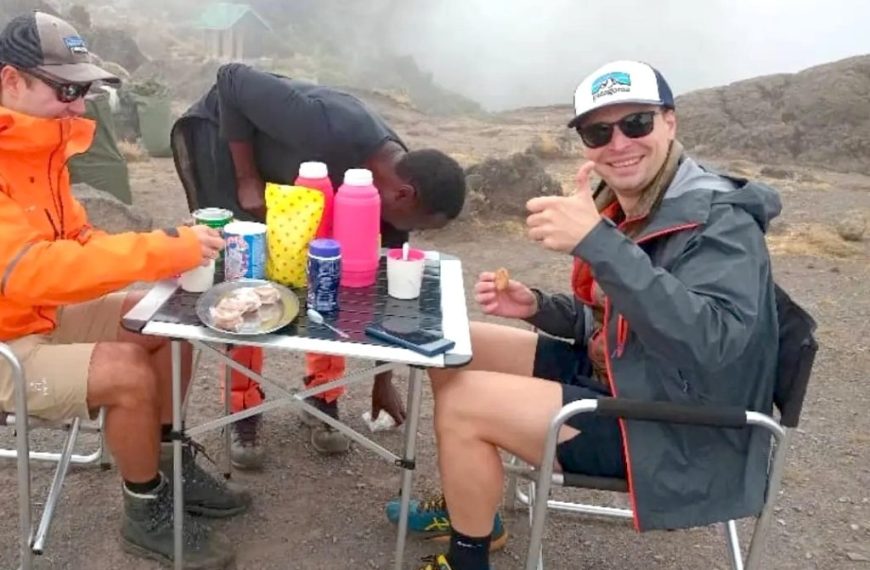
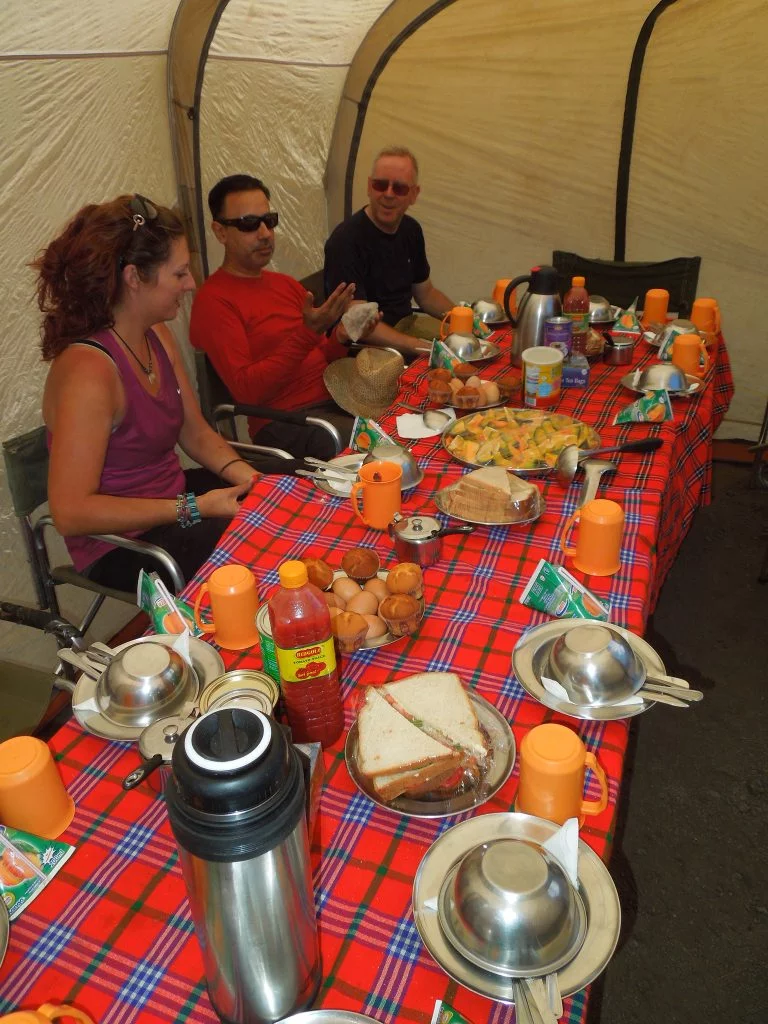
Lunch depends on the day’s itinerary. On shorter hiking days, climbers may arrive at camp for a hot lunch. On longer days, packed lunches are carried in your daypack.
Packed lunches often include: Sandwiches or chapati, Boiled eggs, Chicken pieces, Fresh fruit, Juice box, Energy snacks
Hot lunches at camp may include:
- Soup
- Rice or pasta
- Vegetables
- Meat or vegetarian
- protein
Hydration is emphasized alongside meals. Climbers are encouraged to drink 3–4 liters of water daily.
Dinner: The Main Meal of the Day
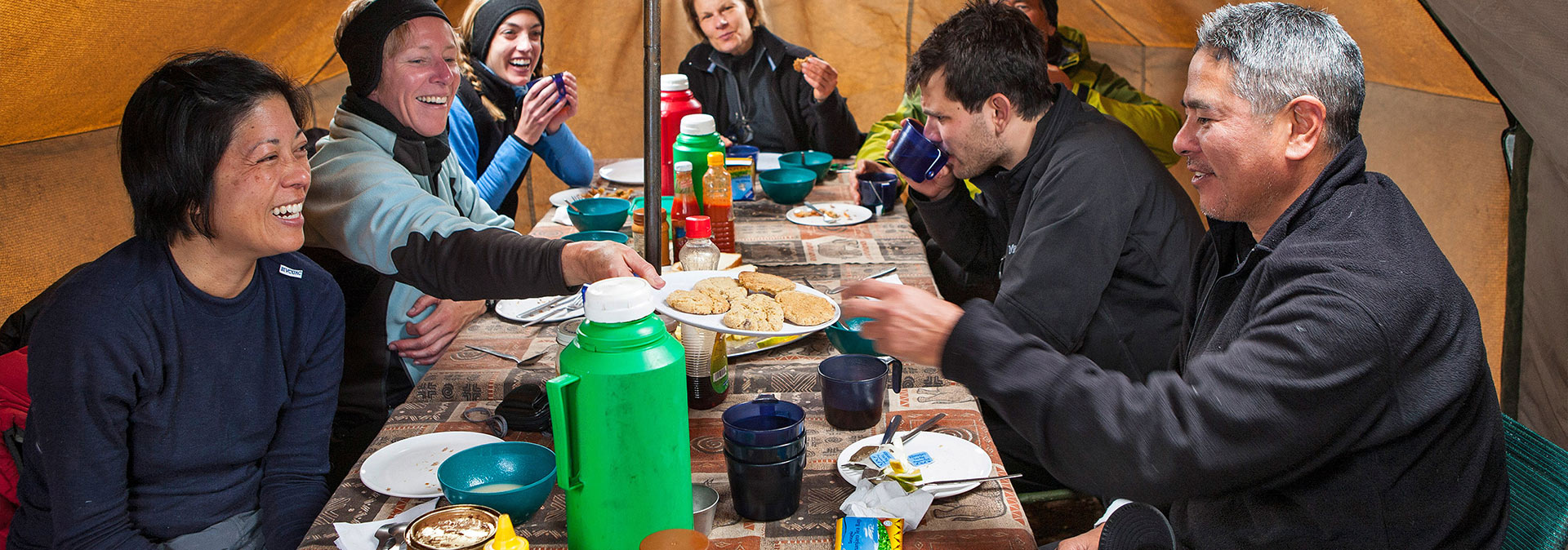
Dinner is typically served early in the evening inside the dining tent. A full mountain dinner usually includes:
- Starter soup (very important at altitude)
- Main dish (rice, pasta, potatoes, or noodles)
- Vegetables
- Chicken, beef, or fish
- Vegetarian alternatives
- Fresh fruit or dessert
Soup plays an especially important role. Warm liquids improve hydration, digestion, and body temperature in colder camps. Meals are designed to restore calories burned during the day’s hike.
Summit Night Snacks
Summit night is physically and mentally demanding. Before departure around midnight, climbers are served:
- Tea or hot chocolate
- Biscuits or cookies
- Porridge or light snacks
During the ascent, quick-energy snacks such as: Chocolate bars, Energy bars, Nuts, Glucose biscuits are recommended.
Appetite often decreases above 5,000 meters, so small, easily digestible snacks are more effective than heavy meals.
Special Dietary Requirements
Professional operators accommodate dietary needs with advance notice.
Common dietary options include: Vegetarian, Vegan, Gluten-free, Dairy-free, Halal
It is important to communicate dietary requirements during booking so the mountain chef can prepare accordingly. At Boko Explorers, we ensure all climbers receive safe and suitable meals regardless of restrictions.
How Food Supports Acclimatization
Nutrition directly affects how your body adapts to altitude.
Carbohydrates are particularly important because they require less oxygen to metabolize compared to fats.
Frequent meals help:
- Maintain energy levels
- Prevent fatigue
- Support immune function
- Reduce altitude-related weakness
Hydration also works alongside nutrition. Warm drinks such as tea and soup help maintain fluid intake even in cold conditions.
Is Food Safe on Kilimanjaro?
Yes, when climbing with a reputable company. Food safety protocols include:
- Proper ingredient storage
- Filtered and boiled drinking water
- Clean food preparation surfaces
- Handwashing stations at camp
Mountain crews are trained in hygiene standards to minimize risk of stomach illness.
Will You Lose Weight?
Many climbers lose some weight during the trek due to:
- Increased calorie expenditure
- Reduced appetite at altitude
- High physical activity
However, well-planned meals help minimize excessive weight loss and maintain strength for summit night. Eating consistently even when not very hungry significantly improves your experience.
What Should You Bring as Extra Snacks?
While meals are provided, bringing personal snacks is recommended.
Popular choices include:
- Energy bars
- Electrolyte tablets
- Trail mix
- Protein bars
- Favorite comfort snacks
Familiar snacks can boost morale during challenging days.
Why Food Quality Matters for Summit Success
Food is more than comfort, it is fuel.
Poor nutrition leads to:
- Fatigue
- Headaches
- Reduced motivation
- Slower recovery
Well-fed climbers perform better, recover faster, and feel stronger during summit night. This is why experienced operators prioritize meal planning as part of overall safety strategy.
Why Climb with Boko Explorers?
Nutrition is a critical part of our expedition planning.
Boko Explorers provides:
- Professional mountain chefs
- Freshly prepared hot meals daily
- Dietary accommodation options
- Safe drinking water
- Balanced, high-energy menus
- Comfortable dining tents
We understand that good food improves morale, energy, and summit success. Your body works hard on the mountain, we make sure it is properly fueled.
So, what is food like on Mount Kilimanjaro?
It is warm, nutritious, carefully planned, and surprisingly satisfying even at high altitude. From hearty breakfasts to comforting soups at dinner, every meal is designed to support acclimatization and sustain energy.
Climbing Kilimanjaro is a challenge, but you will not be surviving on energy bars alone. With proper preparation and professional support, you will be well fed, well hydrated, and fully prepared to reach the Roof of Africa successfully.