
Climbing Mount Kilimanjaro During the Rainy Season: What You Need to Know
Climbing Mount Kilimanjaro is possible year-round — but the experience changes significantly during the rainy season.
Many climbers automatically avoid wet months, assuming the climb becomes impossible. The truth is more nuanced.
While rain presents additional challenges, it also offers unique advantages such as fewer crowds, greener landscapes, and a quieter mountain atmosphere.
So, is climbing Kilimanjaro during the rainy season a good idea?
The honest answer: It depends on your expectations, preparation, and route choice.
This guide explains everything you need to know before booking a rainy season Kilimanjaro adventure.
When Is the Rainy Season on Kilimanjaro?
Kilimanjaro has two rainy seasons:
Long rains: March to May
Short rains: November
The long rains are heavier and more consistent, particularly in April and early May. The short rains in November are usually lighter and often occur in the afternoons.
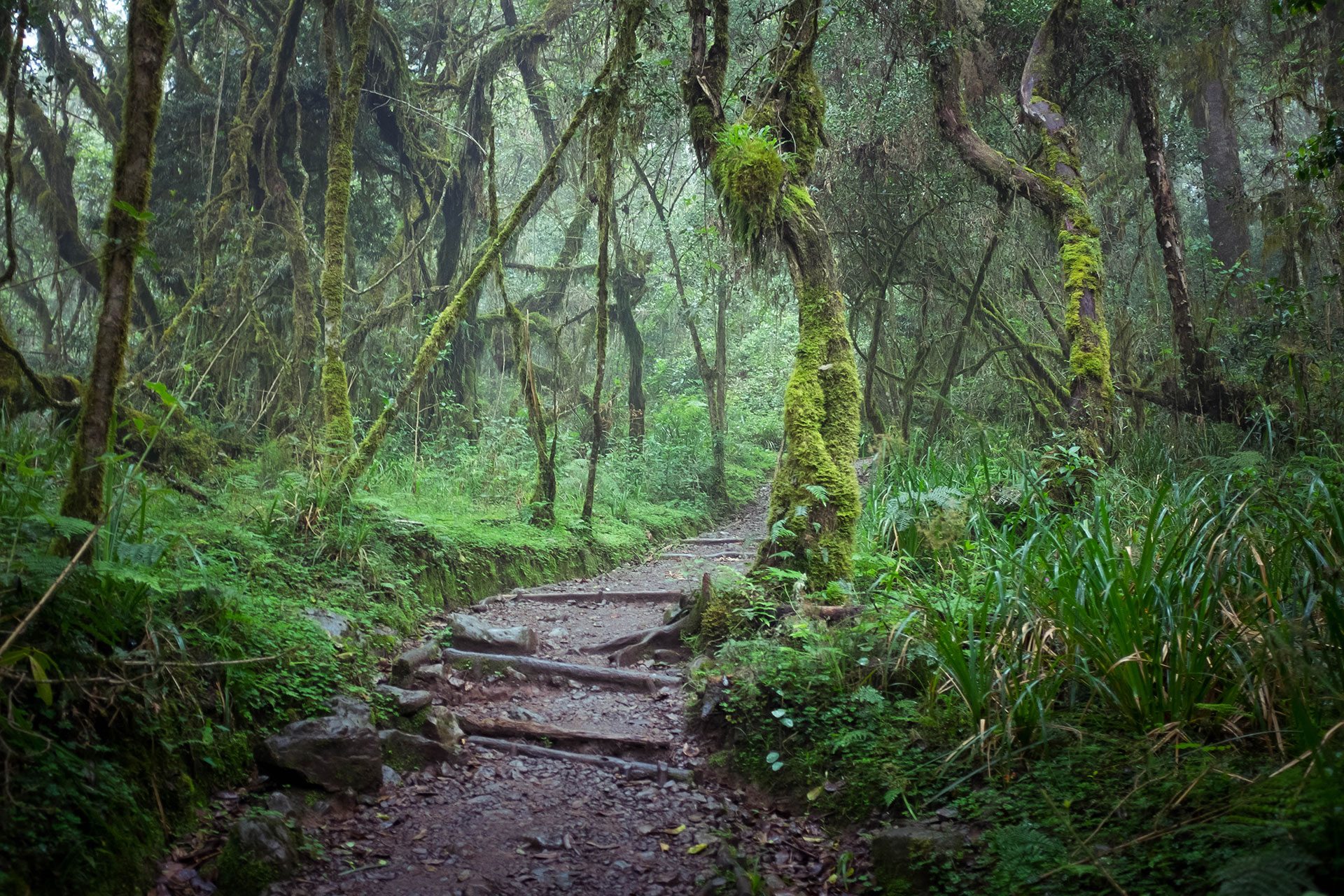
Rainfall is most noticeable in the rainforest zone (lower elevations). Higher zones such as alpine desert and summit areas typically receive less rainfall, though clouds and mist can reduce visibility.
Understanding seasonal patterns helps you plan realistically.
Is It Safe to Climb During the Rainy Season?
Yes — Kilimanjaro remains safe to climb during the rainy season when guided by experienced professionals.
The main risks involve:
Slippery trails
Muddy conditions in the forest
Reduced visibility
Colder, damp camps
However, with proper gear and pacing, these challenges are manageable.
At Boko Explorers, we adjust schedules, monitor weather conditions, and ensure climbers have high-quality waterproof equipment to maintain safety and comfort.
Advantages of Climbing in the Rainy Season
While many avoid these months, there are notable benefits. Fewer crowds create a quieter, more peaceful mountain experience. Campsites feel less congested, and trails are more serene. The rainforest becomes lush and vibrant, with thick greenery and blooming vegetation. Wildlife sightings in lower zones can increase.
Additionally, some operators offer more flexible availability and scheduling during these months. For climbers who value solitude and scenery, the rainy season can feel magical.
Challenges to Expect
Climbing during rainy months does require mental and physical adaptability.
Trails in the rainforest can become muddy and slippery. Waterproof boots and gaiters are essential.
Clothing and sleeping gear must stay dry. Without proper rain protection, discomfort increases quickly.
Cloud cover may limit panoramic views at certain elevations. However, summit sunrise is often above cloud level, offering dramatic scenery once you break through.
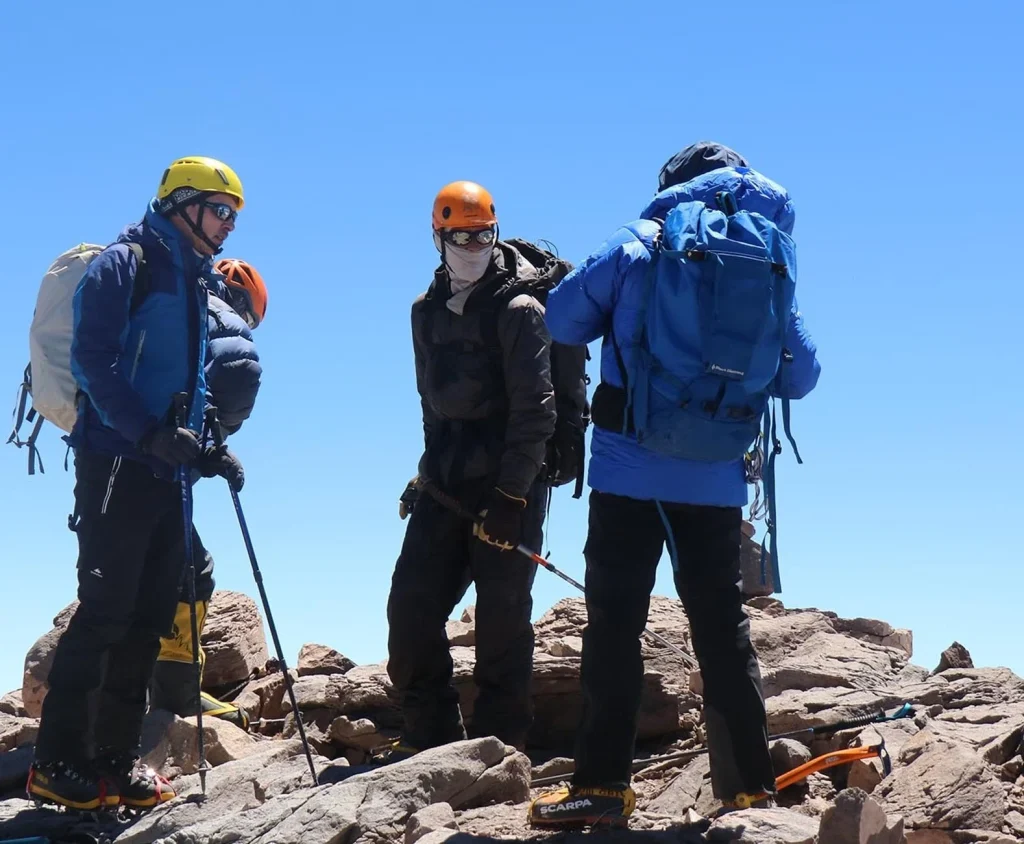
Summit night conditions remain cold regardless of season, but damp weather can intensify the chill.
Best Routes for Rainy Season Climbing
Route selection is critical during wet months. The Rongai Route is often recommended because it approaches Kilimanjaro from the northern side, which typically receives less rainfall.
The Lemosho Route and Northern Circuit also provide good acclimatization and varied scenery, though rainforest sections can still be wet.
Steeper routes like Umbwe may become more challenging due to slippery terrain. Choosing a longer 7–9 day itinerary improves comfort and increases summit success rates.
Essential Gear for Rainy Season Climbs
Proper equipment makes the difference between enjoyment and frustration.
Waterproof jacket and pants, High-quality rain cover for backpack, Waterproof hiking boots, Gaiters, Extra dry socks, Quick-drying base layers, Waterproof duffel bag liner, Keeping sleeping bags and spare clothes dry is crucial.
At Boko Explorers, we provide quality mountain tents and guidance on packing strategies to protect gear from moisture.
How Does Rain Affect Summit Success?
Rain itself does not reduce summit success. Poor acclimatization does. Altitude remains the biggest challenge on Kilimanjaro regardless of season.
However, constant dampness can affect morale. Mental resilience becomes especially important during cloudy or wet days.
With proper acclimatization schedules, hydration, and support from experienced guides, summit success remains highly achievable.
Is It Worth Climbing in the Rainy Season?
If you expect perfectly clear skies every day, the rainy season may not meet your expectations.
But if you value: Fewer crowds, Greener landscapes, A more intimate mountain atmosphere, Potential cost flexibility
Then climbing during the rainy season can be deeply rewarding. Every season offers a different version of Kilimanjaro. The mountain remains majestic whether under bright sun or misty clouds.
Why Climb with Boko Explorers During the Rainy Season?
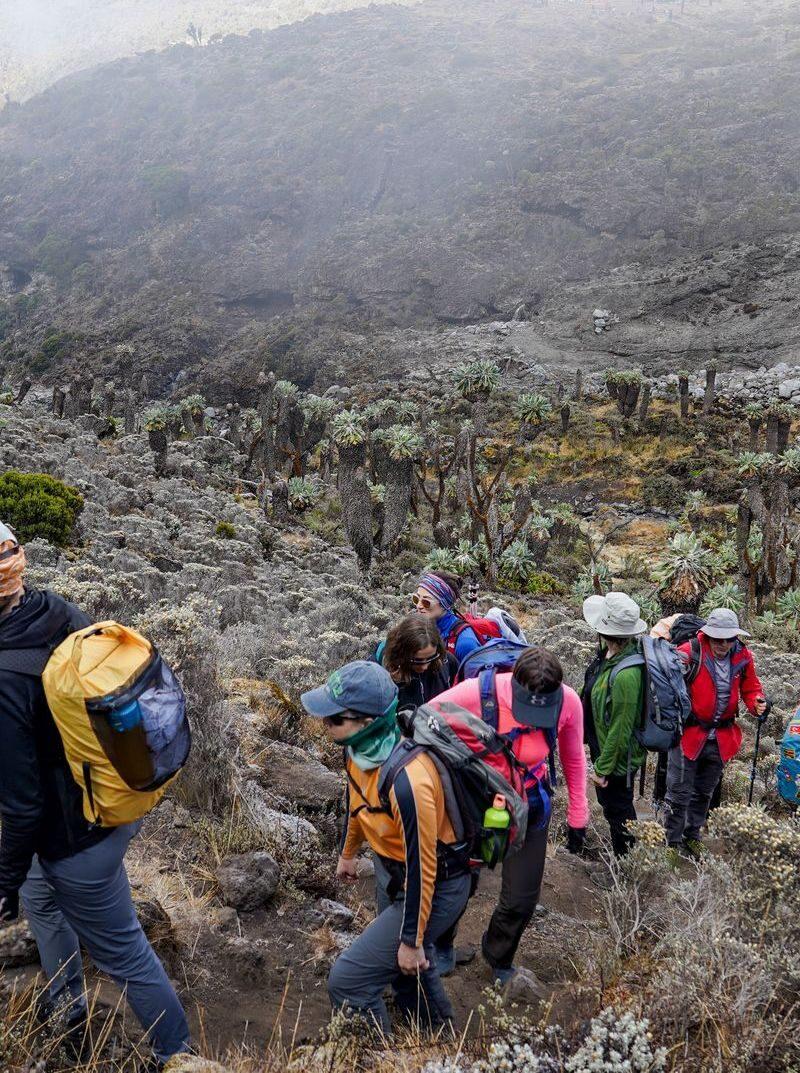
Weather conditions demand professional planning. Boko Explorers provides:
Experienced, certified mountain guides
Route recommendations based on season
High-quality waterproof camping equipment
Private toilet facilities for added comfort
Flexible pacing strategies
Comprehensive safety monitoring
We carefully assess conditions and prioritize climber safety while maximizing comfort and summit potential. Our experience on the mountain throughout all seasons ensures you are well prepared rain or shine. Climbing Mount Kilimanjaro during the rainy season is not impossible — it is simply different.
With the right gear, the right mindset, and expert guidance, the journey remains extraordinary. The rainforest feels alive, the trails are peaceful, and the summit still stands proudly above the clouds.
If you are considering a rainy season Kilimanjaro climb, Boko Explorers is ready to guide you safely, professionally, and confidently to the Roof of Africa no matter the weather.