
Best Time to Climb Mount Kilimanjaro
Climbing Mount Kilimanjaro is one of the most incredible adventures in the world. Standing at 5,895 meters above sea level, Kilimanjaro attracts thousands of climbers every year who dream of reaching the highest point in Africa. However, one of the most important factors that determines the success and enjoyment of the climb is choosing the best time to go.
Weather conditions on Kilimanjaro change significantly throughout the year. Some months offer clear skies, stable weather, and excellent trekking conditions, while others bring heavy rain, muddy trails, and limited visibility. Understanding Kilimanjaro’s climbing seasons can help trekkers select the best time for their adventure.
The best time to climb Kilimanjaro generally falls during the dry seasons, when the mountain experiences less rainfall and more favorable hiking conditions. However, each season offers different advantages depending on your goals, experience level, and personal preferences.
This complete guide explains the best time to climb Kilimanjaro, including weather patterns, seasonal differences, crowds, summit success rates, and what climbers can expect during different months of the year.
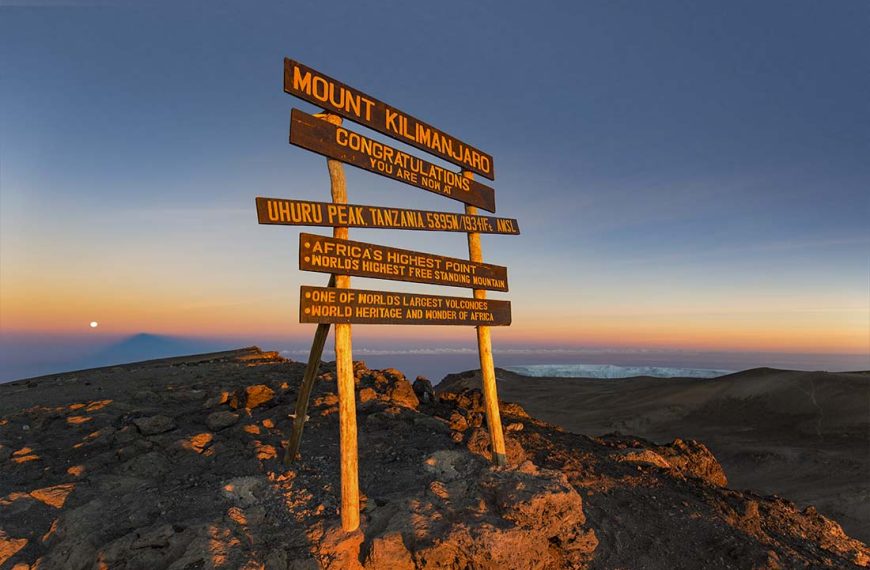
Understanding Kilimanjaro’s Climate
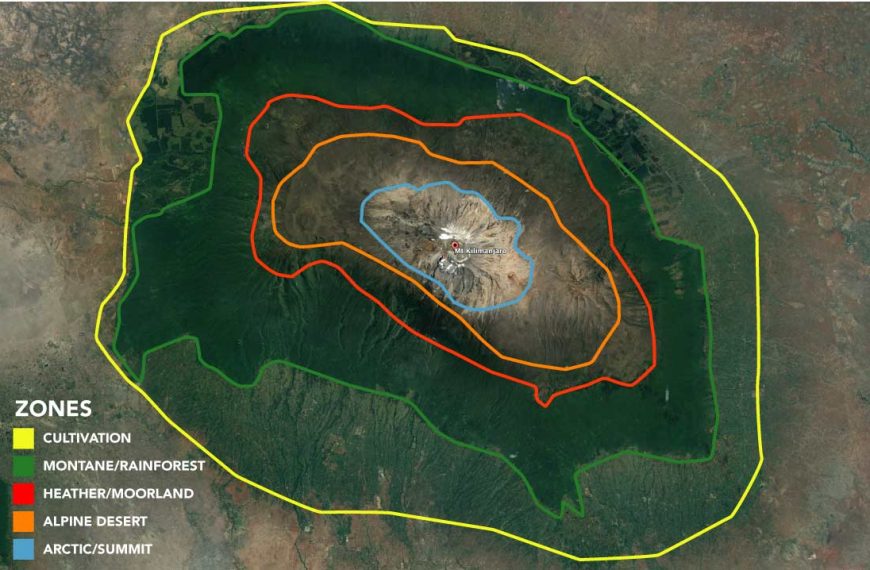
Mount Kilimanjaro has a unique climate because of its massive elevation. Climbers pass through several ecological zones during the trek, and each zone has different temperatures and weather conditions.
The lower slopes are warm and humid, with lush rainforest vegetation. Higher elevations become cooler and drier, eventually leading to freezing temperatures near the summit.
Because Kilimanjaro rises nearly 6,000 meters above sea level, weather conditions can change quickly. A climber may experience sunshine, rain, wind, and freezing temperatures all within the same day.
Understanding these changing conditions is essential for selecting the best climbing season and preparing properly for the trek.
Best Overall Time to Climb Kilimanjaro
The best time to climb Kilimanjaro is during the dry seasons:
- January to March
- June to October
These periods offer the most stable weather, clearer skies, and better trail conditions.
The dry seasons also provide the highest summit success rates because climbers face fewer weather-related challenges.
Although Kilimanjaro can technically be climbed year-round, most trekkers prefer the dry months because they provide a safer and more comfortable experience.
Climbing Kilimanjaro from January to March
January to March is considered one of the best times to climb Kilimanjaro, especially for climbers who prefer quieter trails and cooler temperatures.
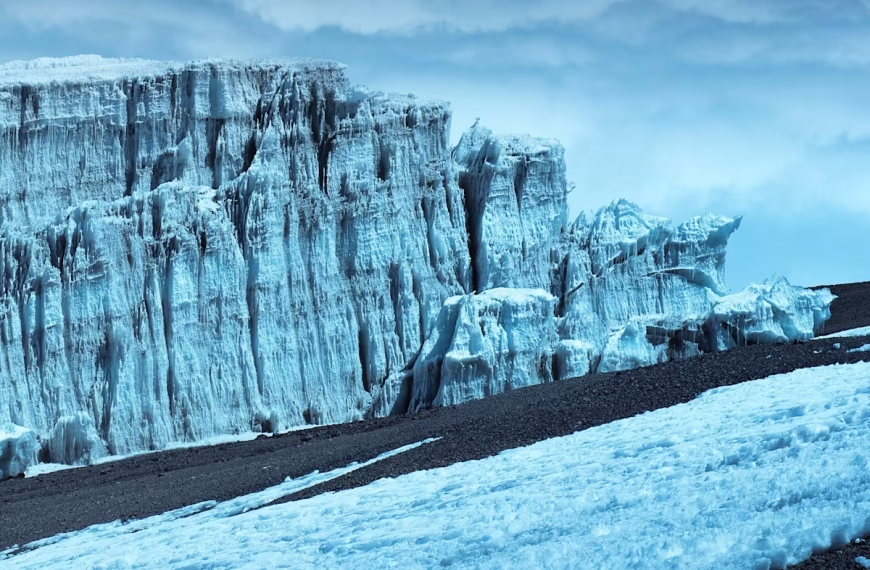
During these months, the weather is relatively stable, and snow is often visible near the summit, creating beautiful scenery.
Temperatures tend to be colder than during the June to October season, especially at higher elevations. However, the mountain is generally less crowded, which creates a more peaceful trekking experience.
January and February are particularly popular because they combine good weather with fewer climbers compared to peak season.
March marks the beginning of the long rainy season, so conditions can become wetter toward the end of the month.
Climbing Kilimanjaro from June to October
The June to October season is the most popular time to climb Kilimanjaro.
These months are known for dry weather, clear skies, and excellent trekking conditions. Visibility is often spectacular, allowing climbers to enjoy panoramic views from the mountain.
July, August, and September are considered peak climbing months. Thousands of trekkers visit Kilimanjaro during this period, especially from Europe and North America.
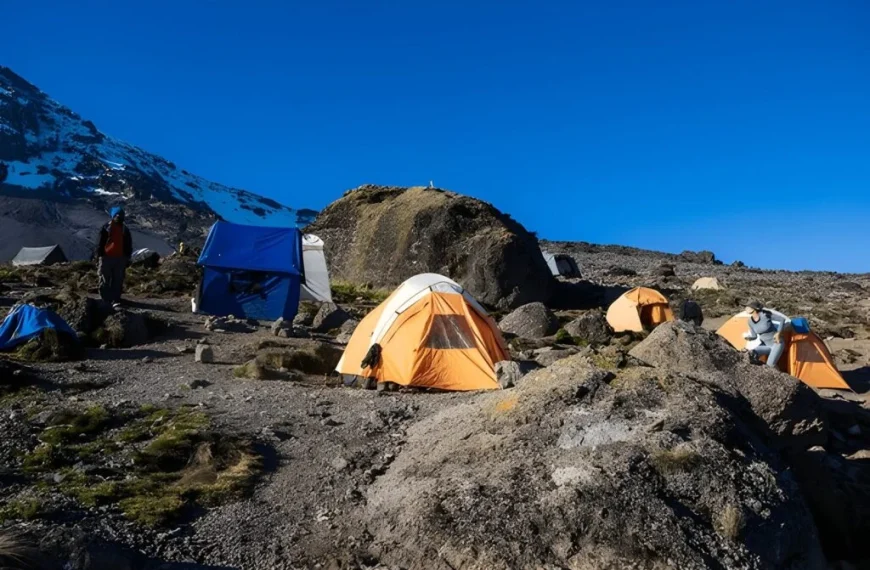
The trails and camps can become crowded, particularly on popular routes such as the Machame Route and Marangu Route.
Despite the crowds, this season remains the top choice for many climbers because of its reliable weather and high summit success rates.
Rainy Seasons on Kilimanjaro
Kilimanjaro experiences two main rainy seasons:
- Long rains: March to May
- Short rains: November
During these months, heavy rainfall can make trails muddy, slippery, and more difficult to navigate.
Cloud cover often reduces visibility, limiting mountain views and photography opportunities.
Although climbing during the rainy season is still possible, it is generally more challenging and less comfortable.
However, rainy seasons also offer certain advantages, including fewer crowds and greener landscapes.
Some experienced trekkers choose the rainy season specifically for solitude and unique scenery.
Advantages of Climbing During the Dry Season
The dry season offers several important advantages for climbers.
Trails are easier to walk on because there is less mud and rain. Clear skies improve visibility, allowing trekkers to enjoy stunning views of glaciers, valleys, and surrounding landscapes.
Dry weather also makes camping more comfortable and reduces the risk of wet clothing and gear.
Summit attempts are generally safer and more enjoyable during stable weather conditions.
These factors contribute to higher summit success rates during the dry season.
Advantages of Climbing During the Rainy Season
Although rainy seasons are less popular, they still have benefits for certain climbers.
The mountain is quieter, providing a more peaceful and less crowded experience.
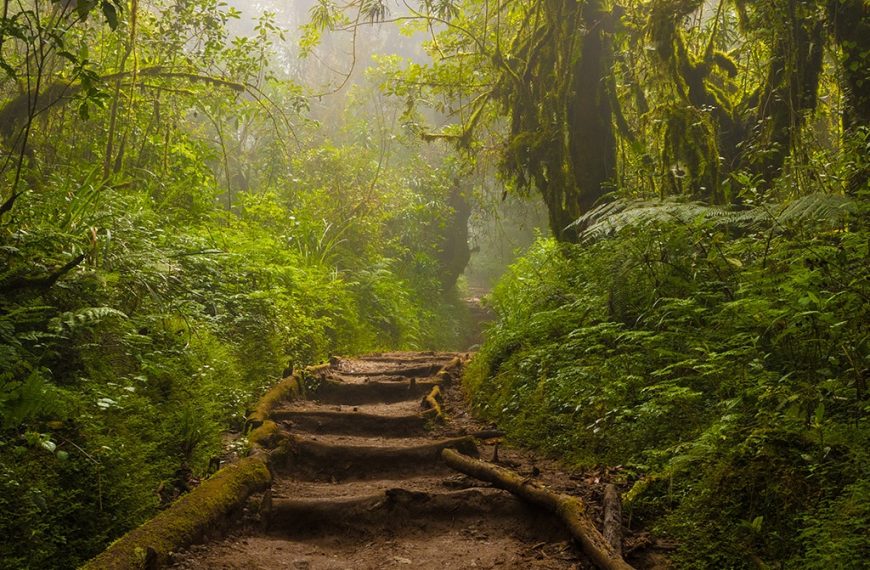
Vegetation becomes lush and green, especially in the rainforest zone. Photographers often appreciate the dramatic clouds and vibrant landscapes during this time.
Some routes, such as the Rongai Route, receive less rainfall and remain more manageable during wet months.
Travelers looking for lower prices and fewer tourists may also prefer the rainy season.
Best Time for Summit Success
Summit success on Kilimanjaro depends on several factors, including acclimatization, fitness, route selection, and weather conditions.
The dry seasons generally offer the best summit success rates because climbers experience more stable weather and fewer physical challenges caused by rain or extreme cold.
Longer routes such as the Lemosho Route and Northern Circuit are particularly effective during the dry season because they provide excellent acclimatization.
Choosing the right season combined with proper preparation significantly increases the likelihood of reaching Uhuru Peak.
Best Time for Photography
Photographers often prefer the dry seasons because visibility is clearer and landscapes are more dramatic.
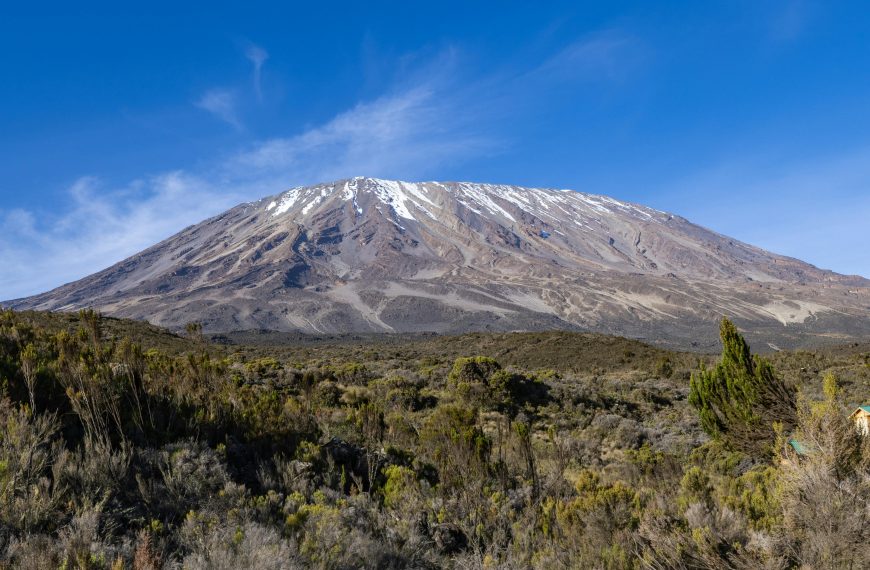
January to March offers snow-covered summit scenery and fewer crowds, making it ideal for landscape photography.
June to October provides crisp views and golden sunlight across the mountain slopes.
Rainy seasons can also create beautiful photography opportunities with misty forests and vibrant vegetation.
The best time for photography depends on the type of scenery and atmosphere you want to capture.
Best Time for Beginners
For beginners, the best time to climb Kilimanjaro is during the dry seasons when weather conditions are more predictable.
Stable weather reduces stress and allows first-time trekkers to focus on acclimatization and enjoying the experience.
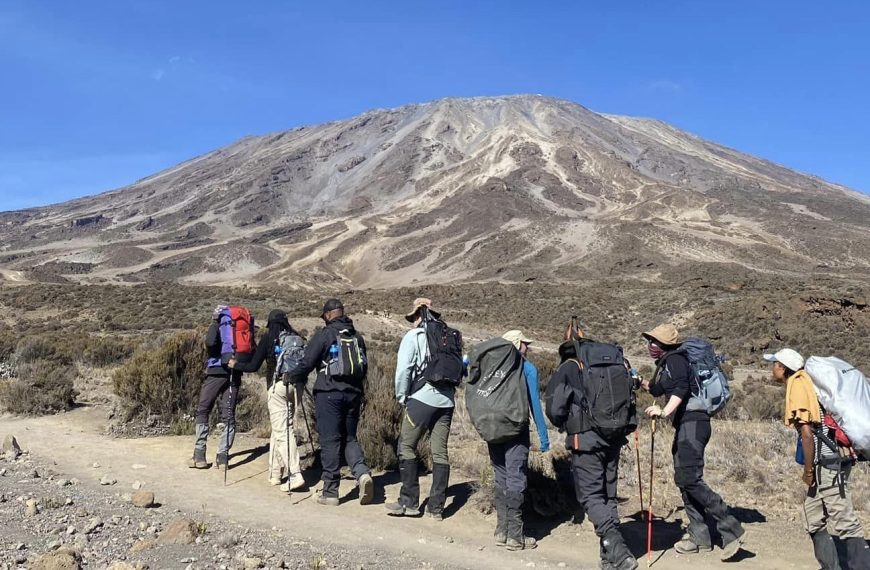
Routes such as the Lemosho Route and Machame Route are especially suitable during dry months because they provide excellent acclimatization profiles.
Avoiding heavy rain and slippery trails helps beginners feel more comfortable and confident on the mountain.
Temperature on Mount Kilimanjaro
Temperatures on Kilimanjaro vary dramatically depending on altitude. Lower elevations are warm, with daytime temperatures often above 20°C.
Higher camps become much colder, especially at night. Summit temperatures can drop to -20°C or lower during windy conditions.
Climbers should be prepared for extreme temperature changes regardless of the season. Layered clothing is essential for staying comfortable throughout the climb.
Crowds and Popular Seasons
The busiest months on Kilimanjaro are July, August, and September. Popular routes can become crowded during these months, especially at campsites.
Climbers seeking a quieter experience may prefer January, February, or even certain rainy season months. Choosing less crowded routes such as Rongai or Northern Circuit can also reduce traffic on the trail.
Best Route Depending on Season
Different routes perform better during different seasons.
The Rongai Route is often recommended during rainy seasons because it approaches from the drier northern side of the mountain.
The Lemosho Route is excellent during dry seasons because it offers spectacular scenery and gradual acclimatization.
The Machame Route remains popular year-round but can become muddy during heavy rain.
Choosing the right route for the season improves comfort and summit success.
Wildlife and Seasonal Changes
The rainforest zone of Kilimanjaro becomes especially vibrant during rainy seasons.
Trekkers may see monkeys, exotic birds, and dense vegetation along lower trails.
During dry seasons, landscapes become clearer and more open, providing better long-distance views.
Seasonal changes create different trekking experiences depending on the time of year.
Packing Based on Season
Packing requirements vary slightly depending on the season.
During rainy months, waterproof gear becomes especially important. Climbers should bring waterproof jackets, rain covers, and extra dry clothing.
Dry season climbers still need warm layers because summit temperatures remain freezing regardless of weather at lower elevations.
Good hiking boots, gloves, hats, and thermal clothing are essential year-round.
Why Choose Boko Explorers
Boko Explorers offers professionally guided Kilimanjaro climbs throughout the year.
Our experienced guides help climbers choose the best season and route based on their goals, fitness level, and travel preferences.
We provide expert acclimatization support, quality equipment, and carefully planned itineraries designed for safety and summit success.
Whether you prefer the quiet beauty of January or the clear skies of August, Boko Explorers ensures an unforgettable Kilimanjaro experience.
Choosing the best time to climb Mount Kilimanjaro can greatly affect your overall experience and summit success.
The dry seasons from January to March and June to October provide the best weather, clearer skies, and safer trekking conditions.
However, every season offers something unique, from snow-covered summit views to lush rainforest scenery and peaceful trails.
With proper planning, the right route, and expert guidance, climbing Kilimanjaro can become one of the most rewarding adventures of your life.
From the rainforest slopes to the icy summit of Uhuru Peak, every step on Kilimanjaro offers unforgettable memories and breathtaking beauty in the heart of Tanzania.
Explore Tanzania
- Safari
- Trekking
- About Boko
- About Tanzania
- Great Migration
- Day Trips
- Island