
Kilimanjaro Preparation and Private Trekking Information
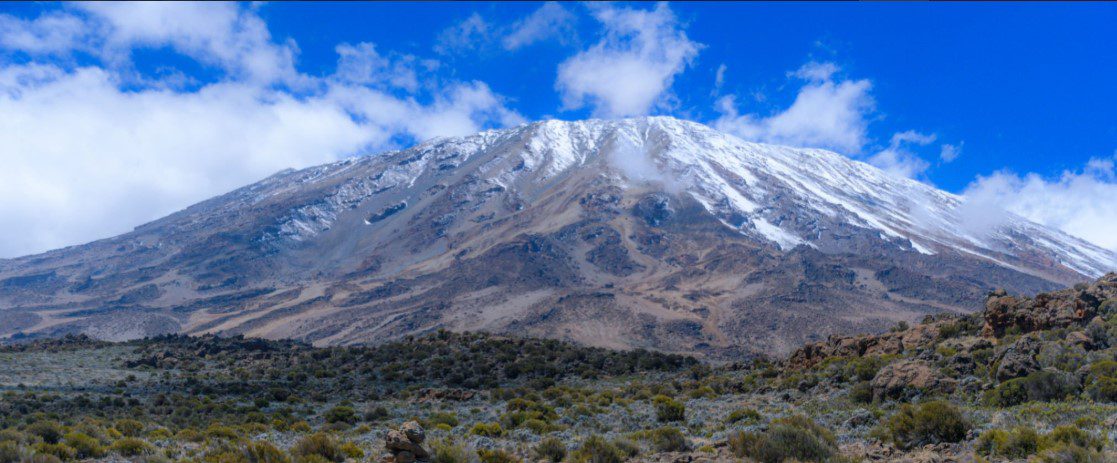
Climbing Mount Kilimanjaro is one of the most inspiring adventures in the world. Standing at 5,895 meters above sea level, it is the highest mountain in Africa and the tallest free-standing mountain on Earth. Reaching the summit at Uhuru Peak is a life-changing experience that attracts trekkers from around the world each year.
Preparing for a Kilimanjaro climb with Boko Explorers requires careful planning, physical preparation, and the right mindset. While climbing Kilimanjaro does not require technical mountaineering skills, it is still a demanding high-altitude trek that challenges both the body and mind.
Most climbs take between six and nine days, allowing trekkers to gradually ascend through different climate zones while adapting to altitude. Being physically fit and mentally prepared greatly increases your chances of reaching the summit safely and enjoying the entire trekking journey.
Understanding the Challenge of High Altitude
One of the main challenges when climbing Mount Kilimanjaro is adjusting to the high altitude. As climbers ascend the mountain, the air becomes thinner and oxygen levels decrease.
Altitude sickness can affect anyone regardless of age or fitness level. The key to preventing serious altitude problems is proper acclimatization. This means ascending slowly, spending enough time on the mountain, and allowing the body to gradually adjust to reduced oxygen levels.
Choosing longer routes and spending additional days trekking significantly improves acclimatization and increases the chances of reaching the summit successfully. While physical fitness does not completely prevent altitude sickness, it reduces physical stress on the body and supports the acclimatization process.
Training for Your Kilimanjaro Climb
Proper training before your climb is essential for building endurance, strength, and confidence. Preparing your body for the trekking conditions you will face on the mountain helps ensure a smoother and more enjoyable climbing experience.
Day hikes are one of the best forms of training for Kilimanjaro. Choose hiking trails that include uphill and downhill sections to simulate the terrain of the mountain. During training, it is recommended to wear the same hiking boots, clothing, and backpack that you plan to use during your expedition.
Trekkers should aim to hike for several hours at a time to prepare for the daily trekking distances on the mountain. On Kilimanjaro, most trekking days last between four and six hours, although summit day can take up to fourteen hours.
If outdoor hiking is not possible, gym training can also be effective. Stair climbing machines, treadmill incline walking, and leg strength exercises help build the endurance needed for the climb. Training at least three days per week for two to three months before your trip is strongly recommended.
Recommended Airport and Arrival
Most Kilimanjaro trekking adventures begin in Arusha, the main gateway city for climbing the mountain.
Travelers should fly into Kilimanjaro International Airport, which is located between Arusha and Moshi. After arrival, the team from Boko Explorers will transfer climbers to their hotel in Arusha or Moshi for a pre-climb briefing and equipment check.
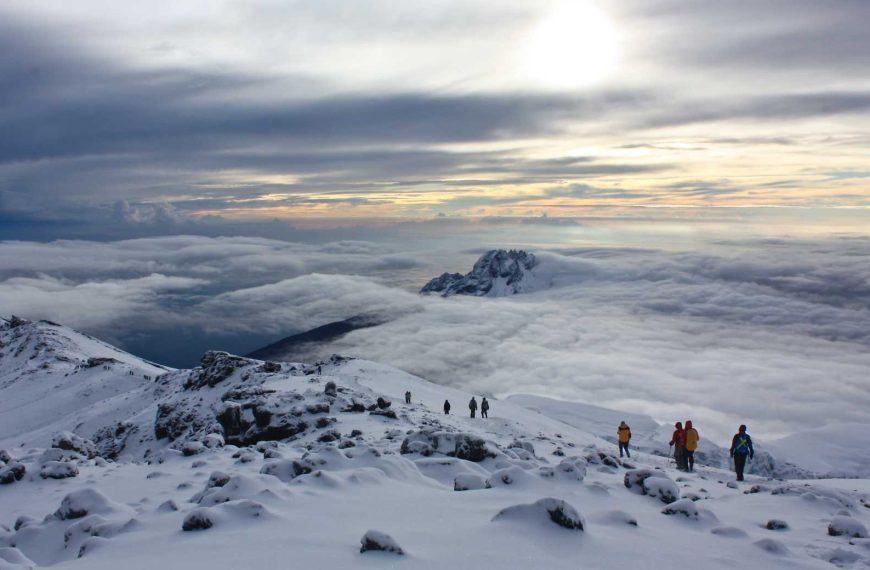
Standing on the summit of Kilimanjaro at sunrise is an unforgettable moment. Reaching Uhuru Peak, often called the Roof of Africa, is a powerful achievement that rewards climbers with breathtaking views and a deep sense of accomplishment.
Safety First on Kilimanjaro
Safety is the top priority during any Kilimanjaro expedition. Professional guides continuously monitor climbers for signs of altitude sickness and ensure that everyone ascends at a safe pace.
At Boko Explorers, each expedition is carefully planned based on the climbers’ experience level, physical condition, and travel schedule. Choosing the right route and spending enough days on the mountain are critical factors for summit success.
Guides carry essential safety equipment including first aid kits, oxygen systems, and communication devices. Daily health checks help monitor oxygen levels and overall condition throughout the climb.
With the right preparation and professional support, climbing Kilimanjaro can be a safe and incredibly rewarding adventure.
Professional Kilimanjaro Expedition Guides
Experienced guides play a crucial role in every successful Kilimanjaro climb. All guides working with Boko Explorers are licensed, professionally trained, and highly experienced in leading high-altitude expeditions.
Many head guides have completed more than fifty to one hundred successful Kilimanjaro summits. Their deep knowledge of the mountain, weather patterns, and trekking routes helps ensure a safe and enjoyable journey.
Guides also provide motivation and encouragement during challenging moments of the climb. Their support, combined with strong teamwork among climbers and crew members, creates a positive and memorable trekking experience.
Kilimanjaro Porters
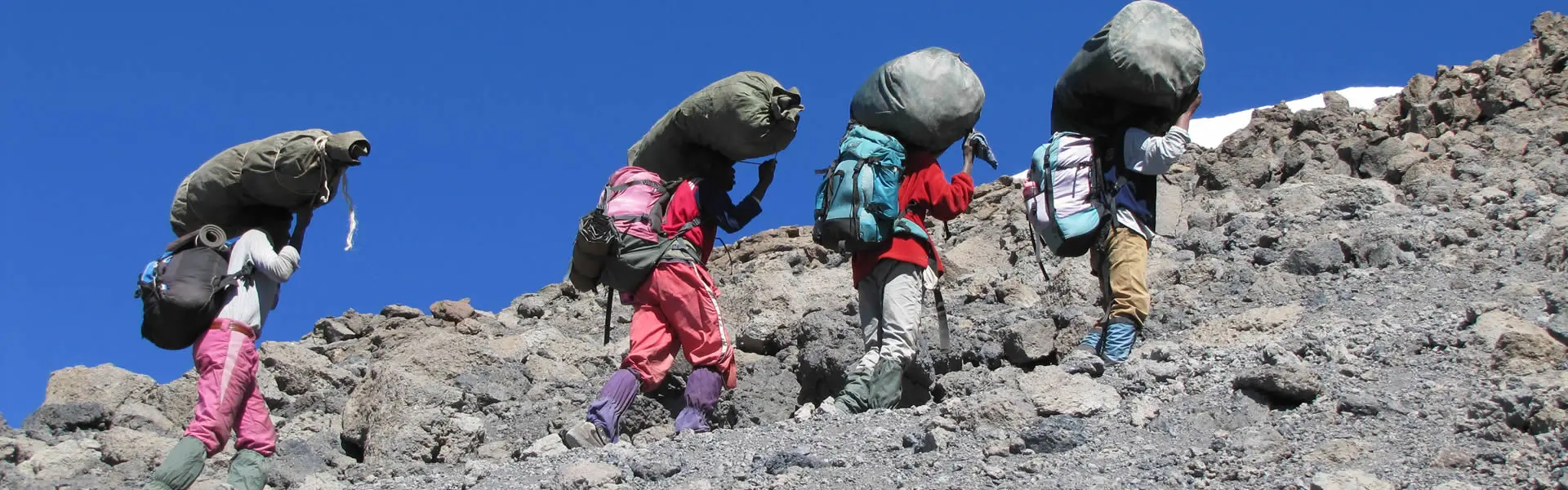
Porters are an essential part of every Kilimanjaro expedition. They carry tents, food supplies, cooking equipment, and other necessary gear that allows climbers to focus on the trek.
These hardworking individuals are often referred to as the backbone of Kilimanjaro climbing operations. Their dedication and strength help ensure that climbers have a safe and comfortable journey on the mountain.
At Boko Explorers, porters are treated with respect and fairness. The company follows ethical trekking practices and ensures that porters receive proper wages, equipment, and working conditions.
Kilimanjaro Climbing Routes
Several routes lead to the summit of Mount Kilimanjaro, each offering different scenery, trekking experiences, and acclimatization profiles. Popular Kilimanjaro routes include the Machame Route, Lemosho Route, Rongai Route, Marangu Route, Shira Route, and Umbwe Route.
Among these, the Machame Route and Lemosho Route are highly recommended because they provide excellent acclimatization opportunities and diverse scenery. These routes typically take seven to nine days, which increases the chances of reaching the summit successfully.
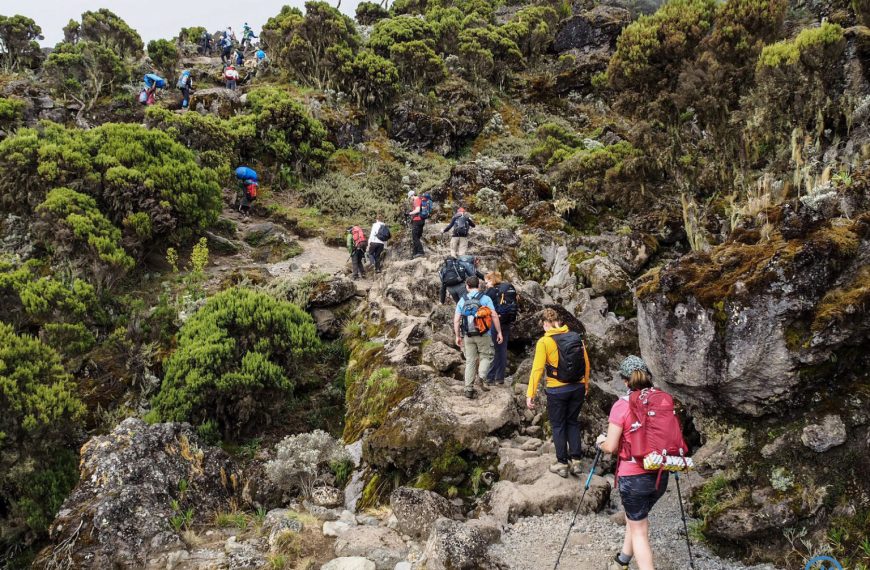
Trekkers pass through multiple ecosystems including rainforest, moorland, alpine desert, and the arctic summit zone, making the climb both challenging and visually spectacular.
Why Choose Boko Explorers for Your Kilimanjaro Trek
Boko Explorers specializes in organizing private Kilimanjaro trekking adventures designed for safety, comfort, and success.
The team provides experienced guides, professional trekking crews, high-quality camping equipment, and detailed preparation support before the climb begins.
Every expedition is carefully planned to maximize acclimatization and improve summit success rates while ensuring that climbers enjoy the beauty of Kilimanjaro’s landscapes.
With expert guidance, dedicated support teams, and a passion for adventure, Boko Explorers helps climbers turn their dream of standing on the Roof of Africa into reality.
Climbing Mount Kilimanjaro is an extraordinary journey that challenges the body and inspires the spirit. With proper training, careful preparation, and professional guidance, reaching the summit is an achievable goal for many adventurers.
From trekking through lush rainforests to watching the sunrise at Uhuru Peak, every step of the journey offers unforgettable moments and breathtaking scenery.
For travelers seeking one of the world’s greatest trekking adventures, a private Kilimanjaro expedition with Boko Explorers provides the support, expertise, and experience needed to reach the summit successfully.