
Can You Climb Mount Kilimanjaro Without a Guide?
Climbing Mount Kilimanjaro is one of the most iconic trekking adventures in the world. As Africa’s highest mountain at 5,895 meters (19,341 feet), it attracts thousands of climbers every year.
A common question many independent travelers ask is:
Can you climb Kilimanjaro without a guide?
The clear and official answer is: No.
Climbing Kilimanjaro without a licensed guide is not permitted under Tanzanian law. All climbers must book through a registered tour operator and be accompanied by certified mountain guides.
But beyond legality, there are important safety, environmental, and logistical reasons behind this regulation. This guide explains why independent climbing is not allowed and why guided trekking significantly improves your safety and success.
Is It Legal to Climb Kilimanjaro Without a Guide?
No, it is illegal. Kilimanjaro National Park regulations require all climbers to:
- Book through a licensed local operator
- Be accompanied by a certified mountain guide
- Register at official park gates
- Pay park and rescue fees
Park rangers strictly enforce these rules at entry points. You cannot simply show up with your backpack and start hiking. Unlike many mountains in Europe or North America, Kilimanjaro operates under a regulated trekking system.
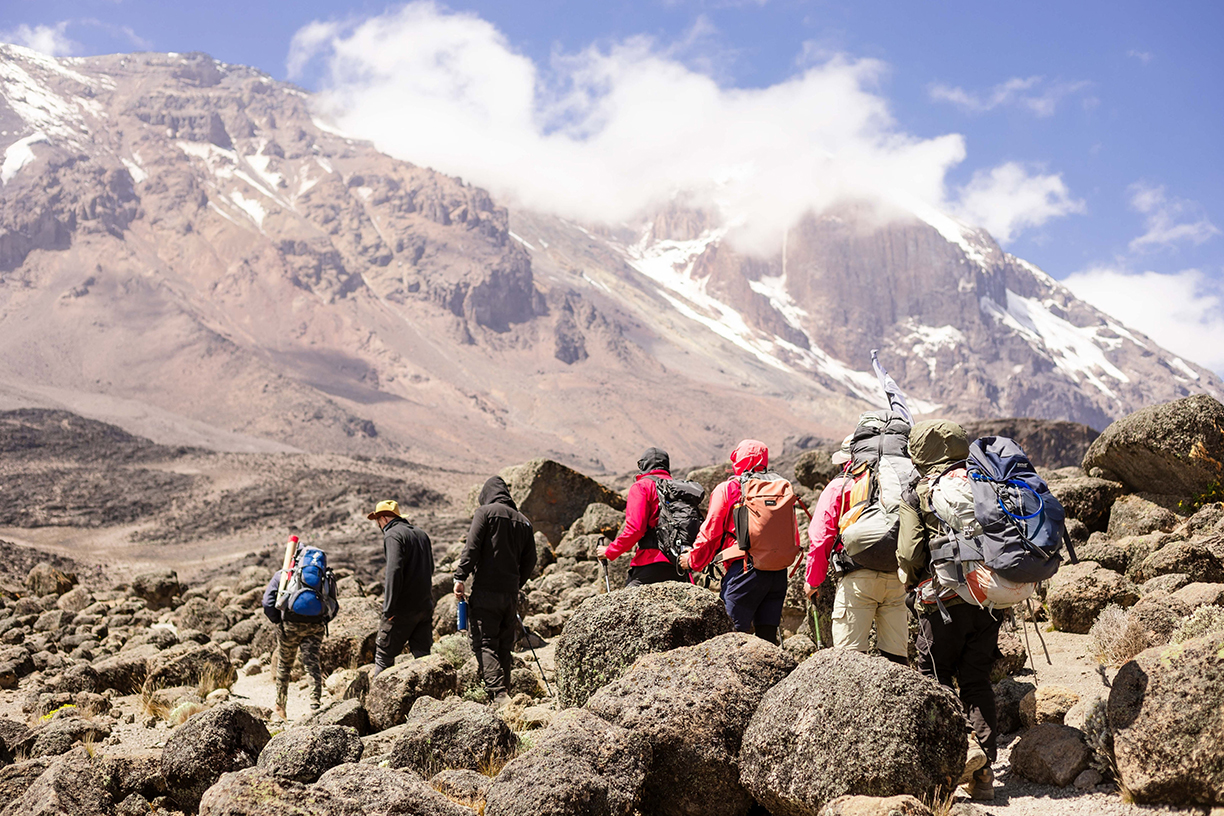
Why Is a Guide Mandatory?
The mandatory guide system exists for several key reasons:
Safety
Environmental protection
Employment support for local communities
Altitude risk management
Emergency response coordination
Kilimanjaro is a high-altitude mountain with rapidly changing weather conditions. While it is considered non-technical, altitude sickness can become dangerous if not managed properly.
Requiring professional guides significantly reduces risk and ensures climbers are monitored daily.
What Happens If You Try to Climb Independently?
Independent entry is not permitted. At every official gate, climbers must present documentation from a licensed tour company. Without this, park authorities will deny access.
There are no “hidden trails” or unofficial entry points. The mountain is monitored, and regulations are enforced. Attempting to bypass the system would result in denial of entry and potentially legal penalties.
Is Kilimanjaro Safe Without a Guide?
Even if regulations did not exist, climbing without a guide would not be recommended.
The biggest risk on Kilimanjaro is altitude sickness. Symptoms can escalate quickly at high elevations, especially above 4,000 meters.
Professional guides are trained to:
Recognize early signs of altitude illness
Conduct daily health checks
Use pulse oximeters
Administer emergency oxygen
Initiate immediate descent if necessary
Without this monitoring, climbers may ignore symptoms until conditions become serious.
Guides also assist with pacing (“pole pole”), hydration reminders, and morale support all of which improve summit success.
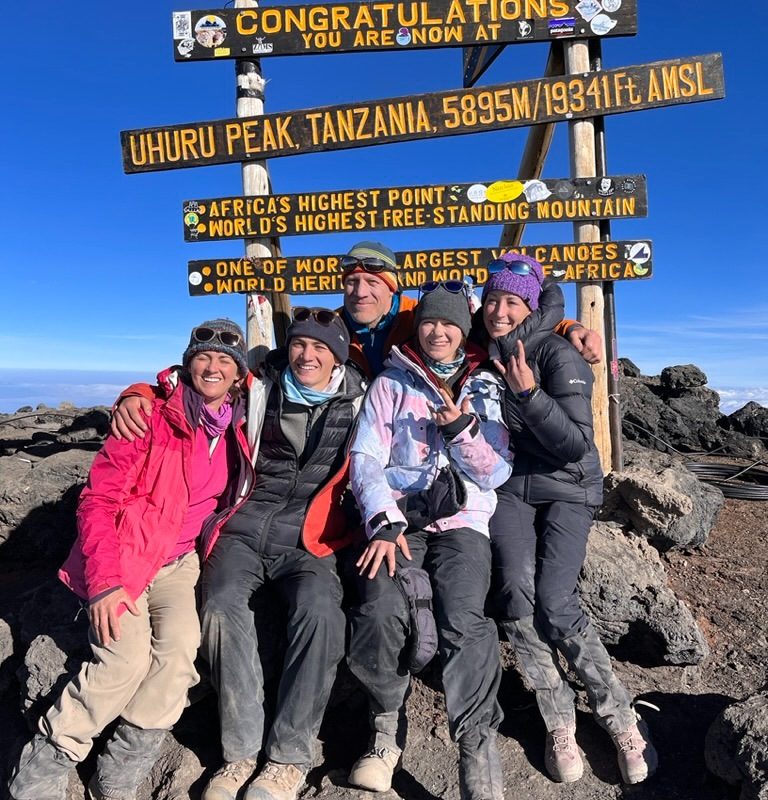
Logistical Challenges of Climbing Without Support
Kilimanjaro climbs involve more than just hiking.
A guided expedition typically includes:
Camping equipment
Tents and sleeping systems
Food preparation
Water purification
Porter support
Waste management
Route logistics
Without porters and support crews, you would need to carry heavy loads including:
Food for 6–9 days
Cooking equipment
High-altitude camping gear
Water containers
The physical strain of carrying this weight at altitude would significantly reduce your chance of reaching the summit.
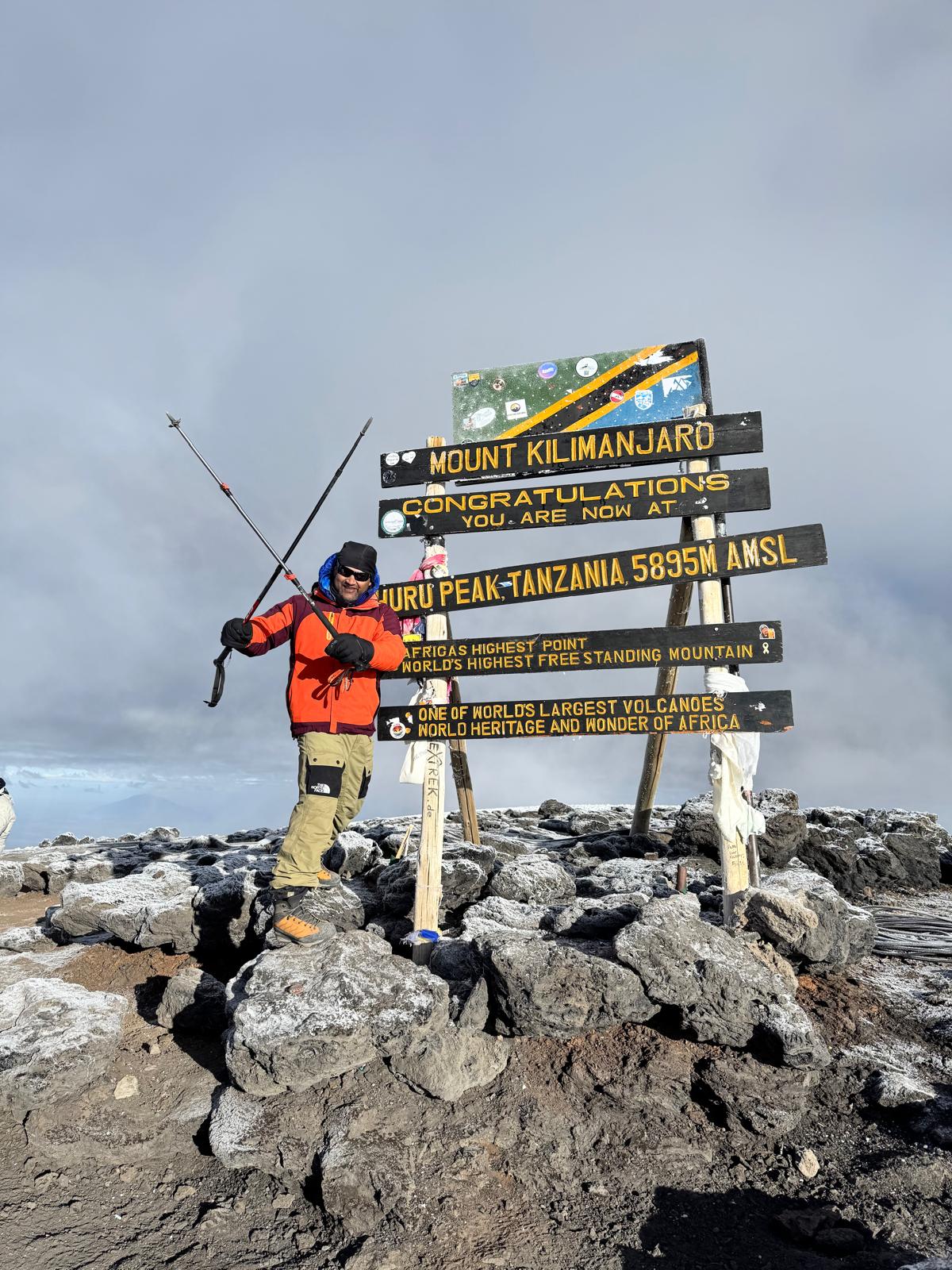
Does a Guide Improve Summit Success?
Yes significantly. Summit success rates are closely tied to: Proper acclimatization schedules, Professional monitoring, Experienced decision-making, Correct pacing
Reputable operators design itineraries that prioritize gradual ascent. Guides make real-time decisions based on weather, group condition, and altitude adaptation.
Independent trekking would remove this structured support system. Routes such as the Lemosho Route or Rongai Route are designed with acclimatization in mind but professional management makes the difference between pushing too hard and pacing correctly.
Are There Any Exceptions?
No. Unlike some mountains worldwide, there are no permits available for independent trekking on Kilimanjaro. Every climber must be accompanied by a licensed guide, regardless of experience level. Even experienced mountaineers and high-altitude climbers must follow this rule.
Benefits of Guided Climbing
While some adventurers prefer independence, Kilimanjaro’s system actually enhances the overall experience.
Benefits include: Safety monitoring, Porter support, Hot meals daily, Camp setup and breakdown, Local cultural connection, Environmental responsibility, Emergency coordination.
Instead of worrying about logistics, you can focus on acclimatization, scenery, and the experience itself.
Is Kilimanjaro Technical?
Kilimanjaro is classified as a high-altitude trek not a technical climb. You do not need ropes, harnesses, or advanced mountaineering skills.
However, altitude makes it physically demanding. Summit night involves hiking for 6–8 hours in freezing temperatures to reach Uhuru Peak at 5,895 meters. Guides play a critical role during this stage by monitoring symptoms and maintaining a safe pace.
Why Climb with Boko Explorers?
Since climbing without a guide is not allowed, choosing the right operator becomes essential.
Boko Explorers provides: Certified, experienced mountain guides, Acclimatization-focused itineraries, Daily medical monitoring, Pulse oximeter oxygen checks, Emergency oxygen supply, High-quality camping equipment, Private toilet facilities, Ethical porter treatment.
Our philosophy is simple: your safety, comfort, and summit success come first. We combine professional safety standards with personalized support to make your Kilimanjaro climb both secure and unforgettable.
So, can you climb Kilimanjaro without a guide?
No and that regulation exists for good reason. Kilimanjaro’s altitude, weather conditions, and environmental protections require professional oversight. Guided trekking ensures safety, supports local communities, and preserves the mountain for future generations.
Rather than limiting your experience, a guided climb enhances it. If you are planning to stand on Africa’s highest peak, Boko Explorers is ready to guide you responsibly, professionally, and safely all the way to the Roof of Africa and back.