
Photographic Safari in Tanzania: The Ultimate Guide for Wildlife Photography
A photographic safari in Tanzania is a dream experience for wildlife lovers and photography enthusiasts. The country offers dramatic landscapes, extraordinary wildlife density, golden light, and iconic African scenery that create perfect conditions for capturing breathtaking images.
Unlike a standard safari, a photographic safari is carefully designed to maximize light conditions, animal positioning, and time spent at sightings.
If you are planning to visit legendary destinations such as Serengeti National Park, Ngorongoro Crater, or Tarangire National Park, this guide explains exactly what to expect and how to prepare for an unforgettable photography adventure.
What Is a Photographic Safari
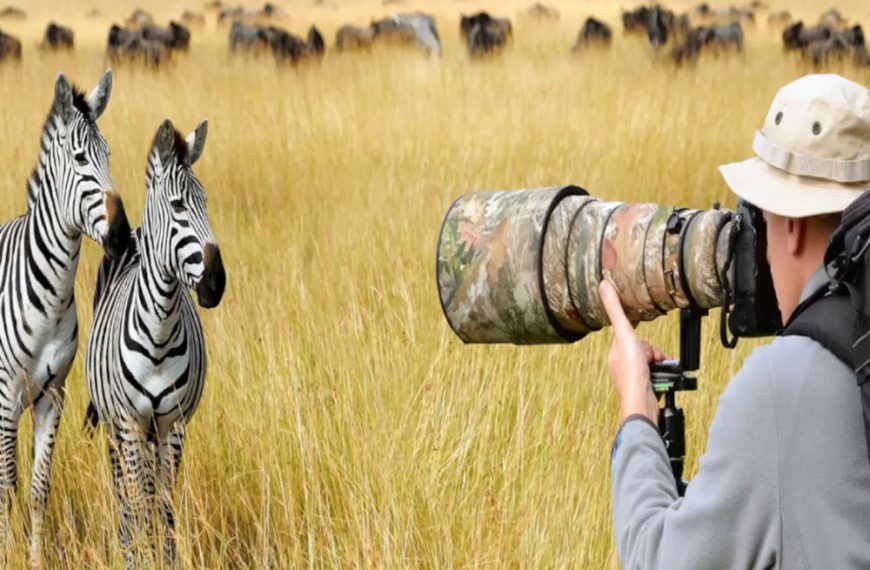
A photographic safari is a wildlife safari specifically tailored for photography. The focus is not just on seeing animals but on positioning vehicles for optimal angles, adjusting schedules to match the best light, and allowing extra time at sightings.
Professional guides understand:
- Animal behavior and movement patterns
- How to position vehicles for clean backgrounds
- How sunlight direction affects image quality
- When to wait patiently for action shots
Photographic safaris are ideal for both beginners and professional photographers who want to elevate their wildlife portfolio.
Why Tanzania Is Perfect for Wildlife Photography
Tanzania is one of Africa’s top destinations for wildlife photography due to its diversity and open landscapes.
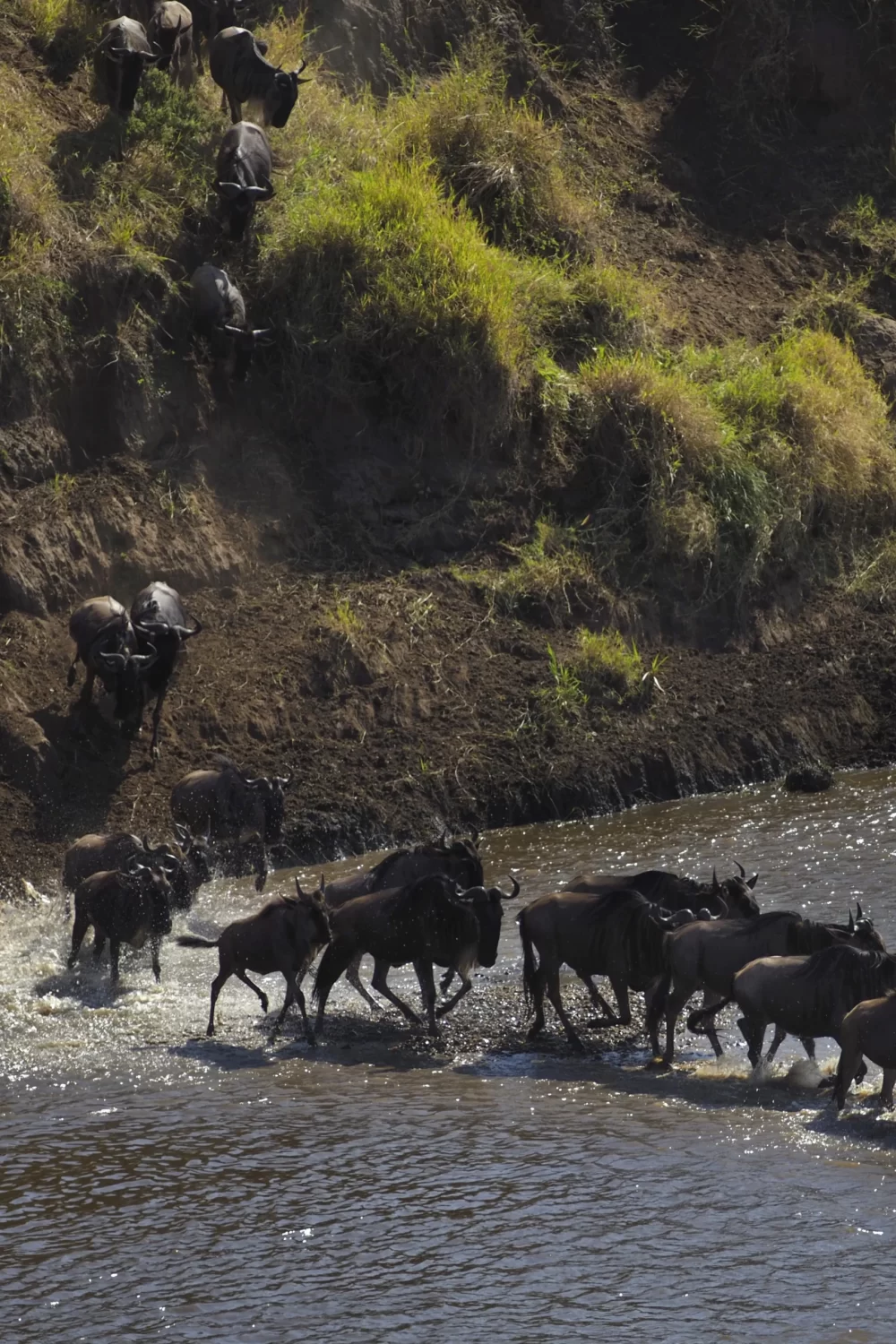
Serengeti National Park offers endless plains that create dramatic backgrounds and unobstructed views. The Great Migration provides powerful action photography opportunities, especially during river crossings.
Ngorongoro Crater provides concentrated wildlife viewing within a compact area, making it easier to capture multiple species in a single day.
Tarangire National Park is known for large elephant herds and ancient baobab trees that create striking compositions.
The combination of wildlife density, golden savannah light, and varied ecosystems makes Tanzania a photographer’s paradise.
Best Time for a Photographic Safari
Timing plays a crucial role in wildlife photography. The dry season from June to October offers: Clear skies, Less vegetation, Easier animal, spotting and Dramatic river crossings in northern Serengeti
The green season from November to May offers: Lush landscapes, Fewer tourists, Soft lighting conditions and Calving season in southern Serengeti
Each season presents unique photographic advantages. Your ideal timing depends on the type of images you want to capture.
The Importance of Golden Light
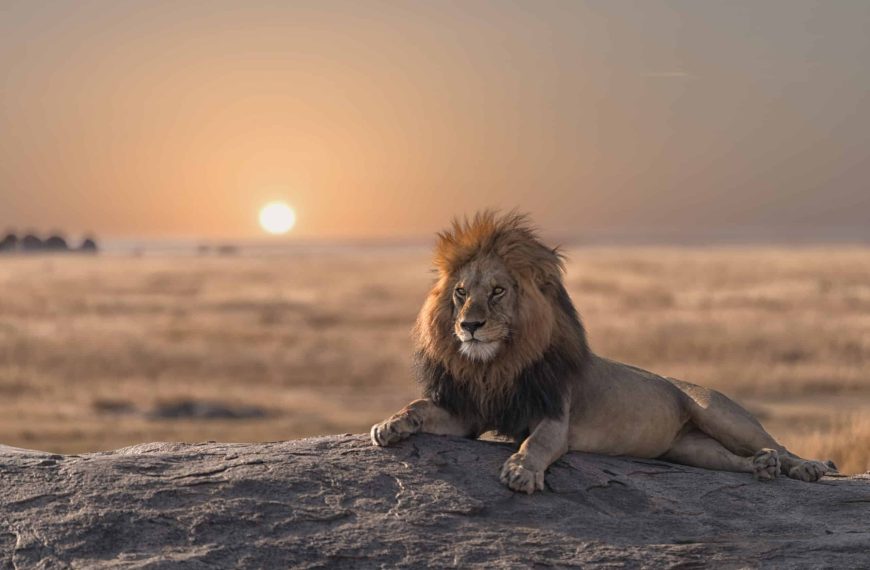
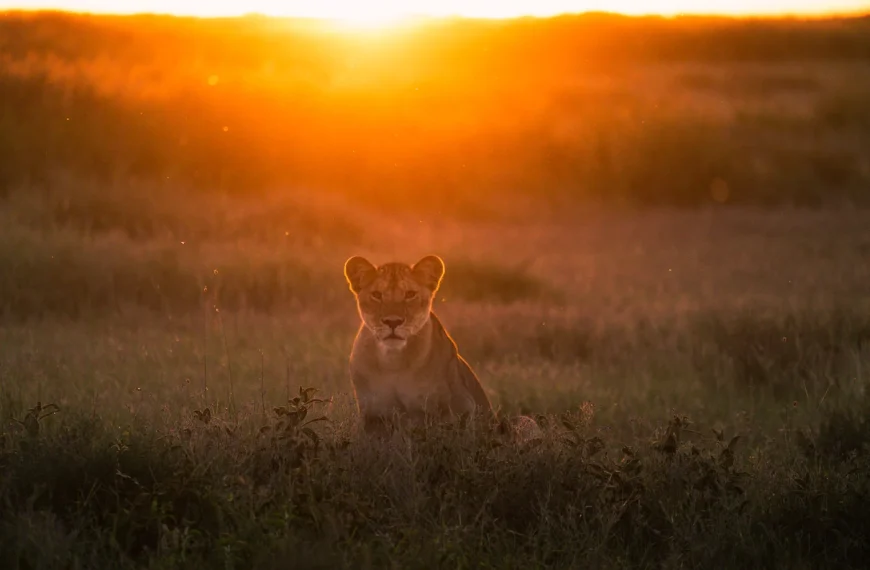
Light is everything in photography. Early morning and late afternoon provide soft golden light that enhances textures, colors, and shadows. These hours are often called golden hours and are essential for professional quality images.
Midday sun can be harsh and create strong shadows, so many photographic safaris schedule longer breaks during peak sunlight hours. Planning your safari around light conditions significantly improves image quality.
Recommended Camera Gear
Packing the right equipment ensures you are prepared for various wildlife scenarios. Essential gear includes:
- DSLR or mirrorless camera
- Telephoto lens between 200mm and 600mm
- Wide angle lens for landscapes
- Extra memory cards
- Spare batteries
- Bean bag for vehicle support
Dust protection is important, as safari roads can be dry during certain seasons. Bringing a second camera body helps avoid changing lenses frequently in dusty environments.
Private Vehicle for Better Photography
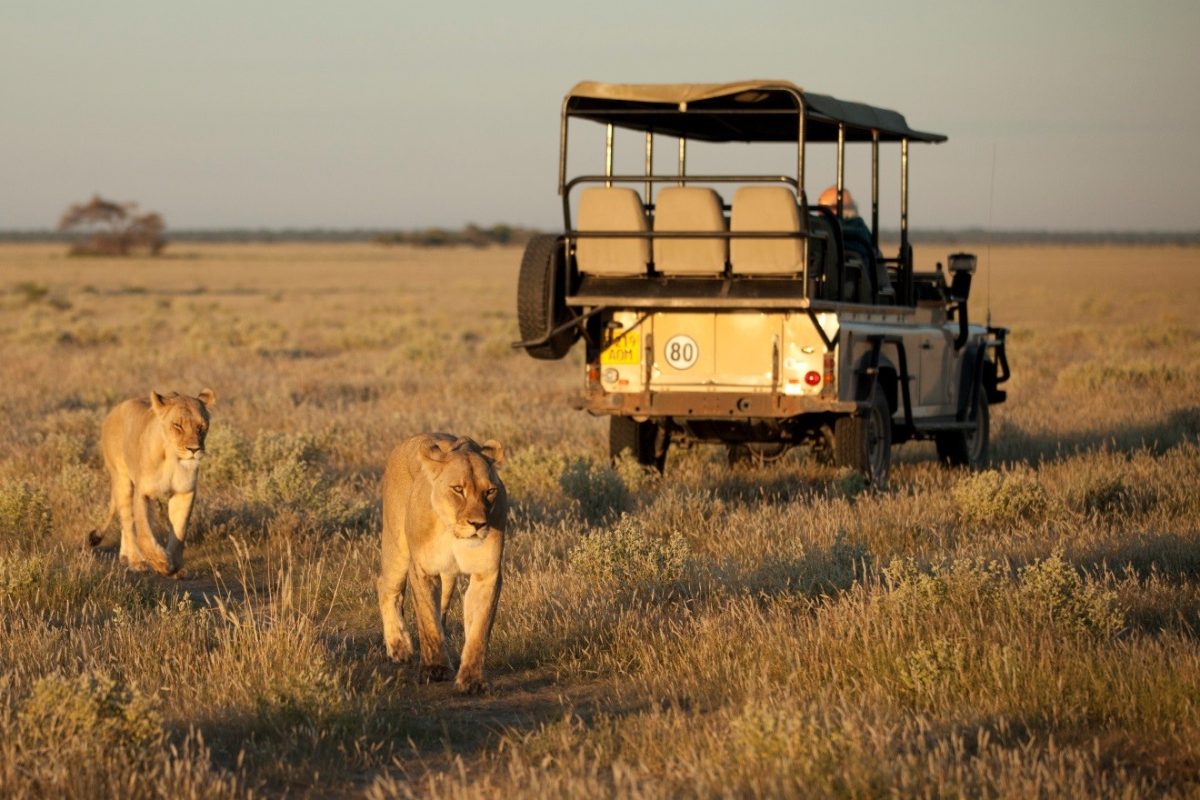
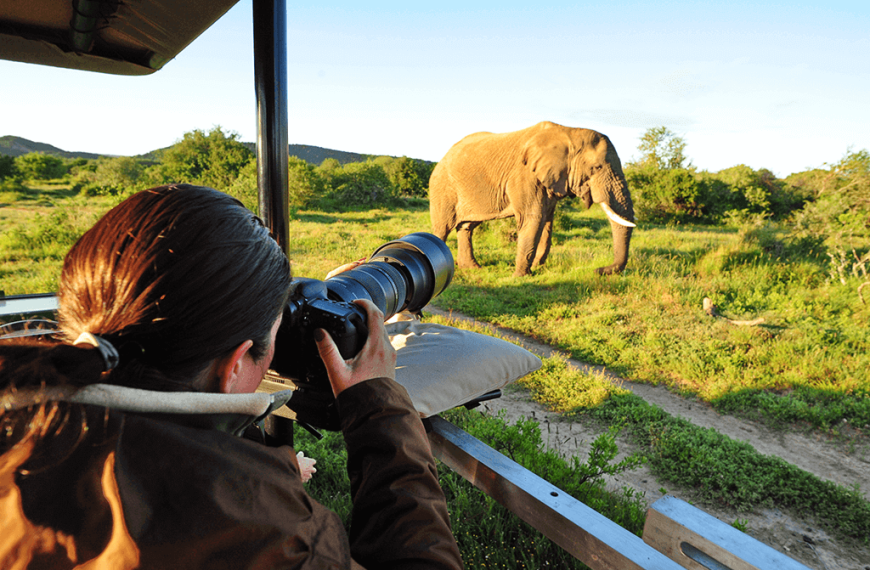
Booking a private safari vehicle is highly recommended for a photographic safari. A private vehicle allows:
- Flexible positioning for ideal angles
- Extended time at sightings
- Freedom to focus on specific species
- No pressure from other guests
Photographic safaris often use open sided or specially modified vehicles to provide better shooting angles.
Capturing the Big Five and Beyond
Tanzania offers opportunities to photograph the Big Five, including lions, elephants, buffalo, leopards, and rhinos.Beyond the Big Five, photographers can capture:
- Cheetahs hunting
- Giraffes silhouetted against sunsets
- Hippos in dramatic river scenes
- Flamingos at alkaline lakes
- Birdlife with vibrant colors
The diversity of subjects ensures a rich and varied photography portfolio.
Understanding Animal Behavior
Successful wildlife photography depends on anticipation. Professional guides help photographers predict movement patterns, such as:
- When lions prepare to hunt
- Where leopards rest during the day
- How elephants interact socially
- When cheetahs scan for prey
Understanding behavior increases the chance of capturing action moments instead of static poses.
Ethical Wildlife Photography
Responsible photography is essential on safari. Vehicles must maintain safe distances from animals. Off road driving is restricted in many parks to protect fragile ecosystems.
Flash photography is discouraged, especially at night, to avoid disturbing wildlife. Respect for animals and conservation guidelines ensures sustainability for future generations.
Combining Photography with Scenic Landscapes
A photographic safari is not limited to animals. Tanzania offers spectacular landscapes including:
- Rolling Serengeti plains
- Ngorongoro Crater rim views
- Baobab dotted horizons in Tarangire
- Dramatic African sunsets
Landscape photography complements wildlife images and adds storytelling depth to your collection.
Why Choose Boko Explorers for a Photographic Safari
A successful photographic safari requires expertise, flexibility, and attention to detail. Boko Explorers provides:
- Experienced wildlife guides trained in photographic positioning
- Customized itineraries based on seasonal wildlife movement
- Private 4×4 safari vehicles
- Flexible game drive schedules
- Access to Tanzania’s top wildlife destinations
- Deep understanding of local ecosystems
We design photography focused safaris that give you time, space, and expert guidance to capture extraordinary moments. A photographic safari in Tanzania is more than a wildlife trip. It is an opportunity to tell visual stories through powerful images.
From the dramatic plains of the Serengeti to the wildlife rich floor of the Ngorongoro Crater, every sunrise and animal encounter offers a new creative possibility. With proper preparation, the right equipment, and experienced guides, your photographic safari becomes a portfolio defining journey.
For photographers seeking world class wildlife images and unforgettable adventure, Tanzania stands among the very best destinations on Earth.