

Kilimanjaro Routes Comparison
Climbing Mount Kilimanjaro is a once-in-a-lifetime adventure, but one of the most important decisions you will make is choosing the right route. Each Kilimanjaro route offers a unique experience in terms of scenery, difficulty, acclimatization, and success rates.
Understanding the differences between routes can significantly impact your overall experience and your chances of reaching Uhuru Peak. Some routes are shorter and more direct, while others are longer and designed to improve acclimatization. Some are popular and busy, while others are remote and quiet.
In this guide, you will discover a detailed comparison of all major Kilimanjaro routes to help you choose the best option for your climb.
Overview of Kilimanjaro Routes
There are seven main routes to climb Mount Kilimanjaro. These include Marangu, Machame, Lemosho, Rongai, Northern Circuit, Shira, and Umbwe.
Each route approaches the mountain from a different direction and offers varying trekking durations ranging from five to nine days. Longer routes generally provide better acclimatization and higher summit success rates.
The most popular routes are Machame and Lemosho due to their balance of scenery and success rates, while Rongai and Northern Circuit are preferred for their quieter trails.

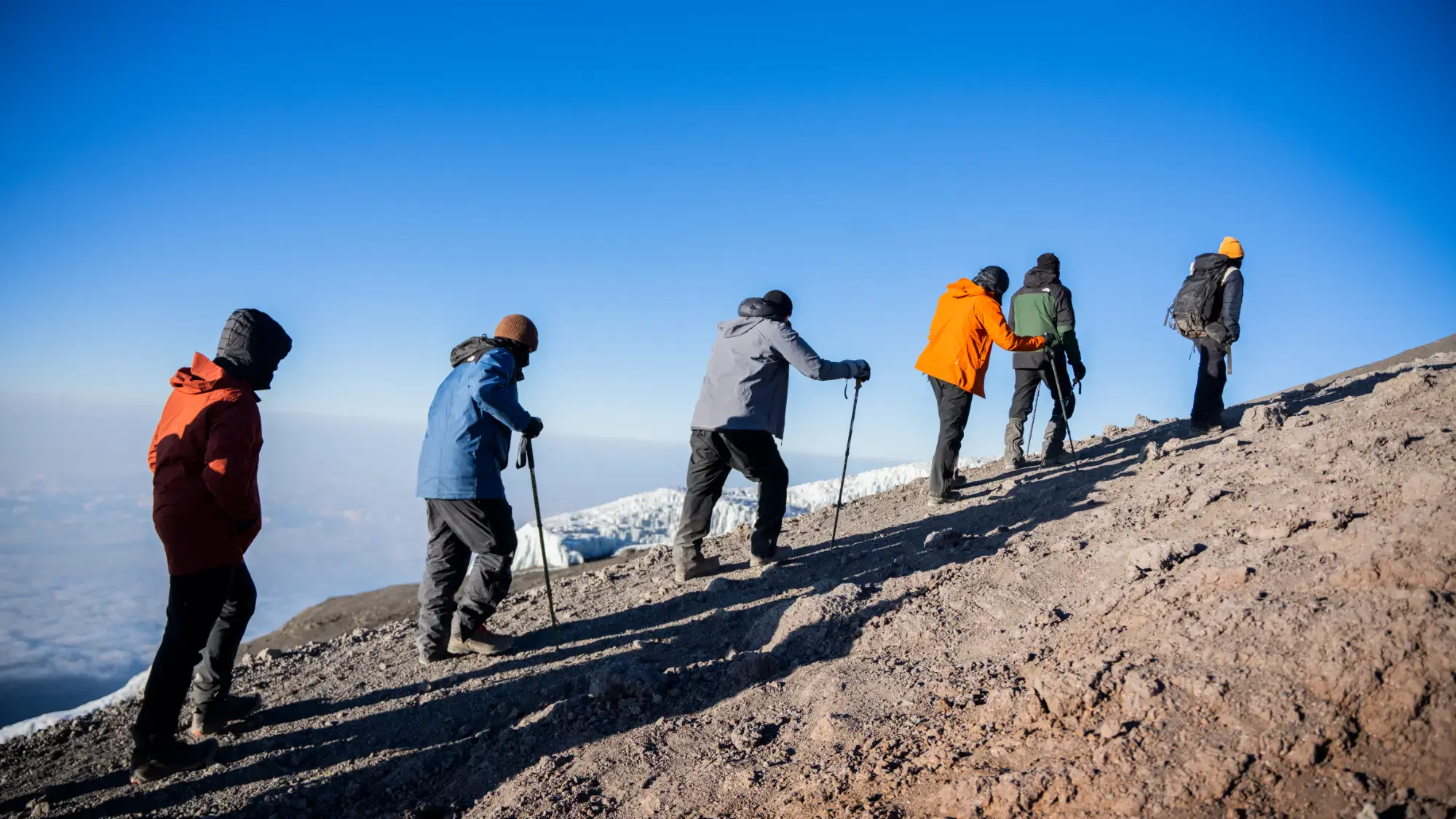
Marangu Route
The Marangu Route is the oldest and one of the most well-known routes on Kilimanjaro. It is often referred to as the “Coca-Cola Route” because it is the only route that offers hut accommodation instead of camping.
This route is considered easier in terms of terrain, with gradual slopes and well-defined paths. However, it is usually completed in five or six days, which gives less time for acclimatization. As a result, its summit success rate is lower compared to longer routes.
Marangu is a good choice for climbers who prefer sleeping in huts and want a more straightforward trekking experience, but it is not the best option for maximizing summit success.
Machame Route
The Machame Route, also known as the “Whiskey Route,” is one of the most popular choices for climbers. It is known for its stunning scenery and varied landscapes.
This route typically takes six to seven days and follows a “climb high, sleep low” profile, which helps with acclimatization. Trekkers pass through rainforest, moorland, and alpine desert zones before reaching the summit.
Machame is more physically demanding than Marangu due to steeper sections, but it offers a higher success rate and a more rewarding experience overall.
Lemosho Route
The Lemosho Route is widely regarded as one of the best routes on Kilimanjaro. It starts on the western side of the mountain and offers a remote and scenic approach.
This route usually takes seven to eight days, providing excellent acclimatization and high summit success rates. The trail eventually joins the Machame Route, allowing climbers to experience some of the most beautiful parts of the mountain.
Lemosho is ideal for those who want a quieter start, more time to acclimatize, and a higher chance of reaching the summit.
Rongai Route
The Rongai Route approaches Kilimanjaro from the northern side near the Kenyan border. It is one of the least crowded routes and offers a unique perspective of the mountain.
This route is generally drier than the southern routes, making it a good option during the rainy season. It is also considered one of the easier routes in terms of terrain.
However, Rongai has a less varied landscape compared to Machame and Lemosho, and its acclimatization profile is not as strong. Despite this, it remains a great choice for climbers seeking solitude and a quieter trekking experience.
Northern Circuit Route
The Northern Circuit is the longest and most comprehensive route on Kilimanjaro. It takes eight to nine days and circles around the northern side of the mountain.
This extended duration allows for excellent acclimatization, resulting in the highest summit success rates of all routes. It is also one of the least crowded options, offering a peaceful and immersive trekking experience.
The Northern Circuit is ideal for climbers who have more time and want the best possible chance of reaching the summit while enjoying diverse landscapes.
Shira Route
The Shira Route is similar to the Lemosho Route but starts at a higher altitude. This means climbers begin trekking with less time to acclimatize, which can increase the risk of altitude sickness.
Despite this, Shira offers beautiful scenery and eventually joins the Machame Route. It is less commonly used than Lemosho but still provides a rewarding experience for well-prepared climbers.
Umbwe Route
The Umbwe Route is the shortest and steepest route on Kilimanjaro. It is known for being the most challenging and direct path to the summit.
Due to its rapid ascent and limited acclimatization time, it has a lower success rate and is not recommended for beginners. However, it is a good option for experienced trekkers looking for a tough and less crowded climb.

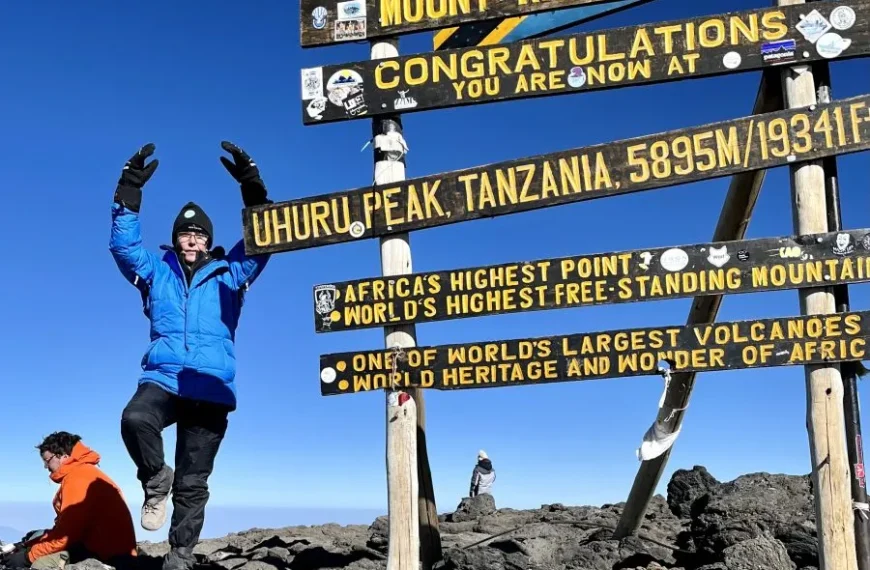
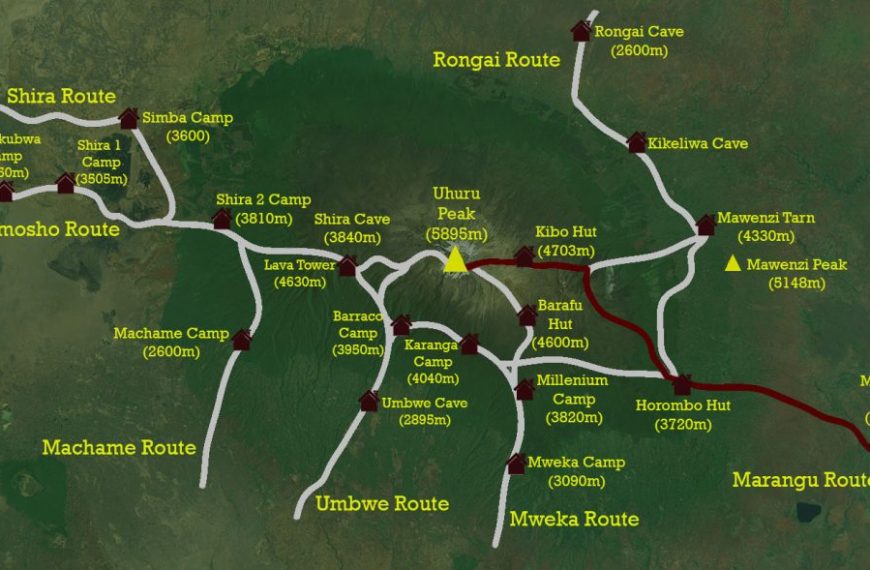
Comparison of Key Factors
When comparing Kilimanjaro routes, several factors should be considered, including difficulty, acclimatization, scenery, and crowd levels.
Routes like Lemosho and Northern Circuit offer the best acclimatization and highest success rates due to their longer duration. Machame provides a good balance between challenge and success, making it one of the most popular choices.
Marangu and Rongai are considered easier in terms of terrain but may have lower success rates due to shorter itineraries or less effective acclimatization profiles.
Umbwe is the most challenging route and is best suited for experienced climbers, while Shira is similar to Lemosho but starts at a higher altitude.
Best Route for Beginners
For beginners, the best routes are those that provide enough time for acclimatization while offering manageable difficulty levels.
The Lemosho Route is often considered the best choice for beginners due to its gradual ascent and high success rate. Machame is another excellent option for those who want a slightly more challenging but rewarding experience.
Choosing a route with at least seven days is highly recommended to improve your chances of reaching the summit.
Best Route for High Success Rate
If your main goal is to reach the summit, the Northern Circuit and Lemosho routes are the best options. These routes provide more time for acclimatization, which significantly increases success rates.
Climbers who choose longer routes generally have a much higher chance of reaching Uhuru Peak compared to those on shorter itineraries.
Best Route for Scenic Beauty
All Kilimanjaro routes offer beautiful landscapes, but some stand out more than others.
The Machame and Lemosho routes are known for their stunning scenery and diverse environments. Trekkers experience dramatic changes in landscape, from lush forests to rocky ridges and open plains.
These routes provide some of the most photogenic views on the mountain.
Best Route for Fewer Crowds
For those seeking solitude, the Rongai and Northern Circuit routes are the best choices. These routes are less crowded compared to Machame and Marangu, allowing for a quieter and more peaceful trekking experience.
This can enhance your connection with nature and make the climb more enjoyable.

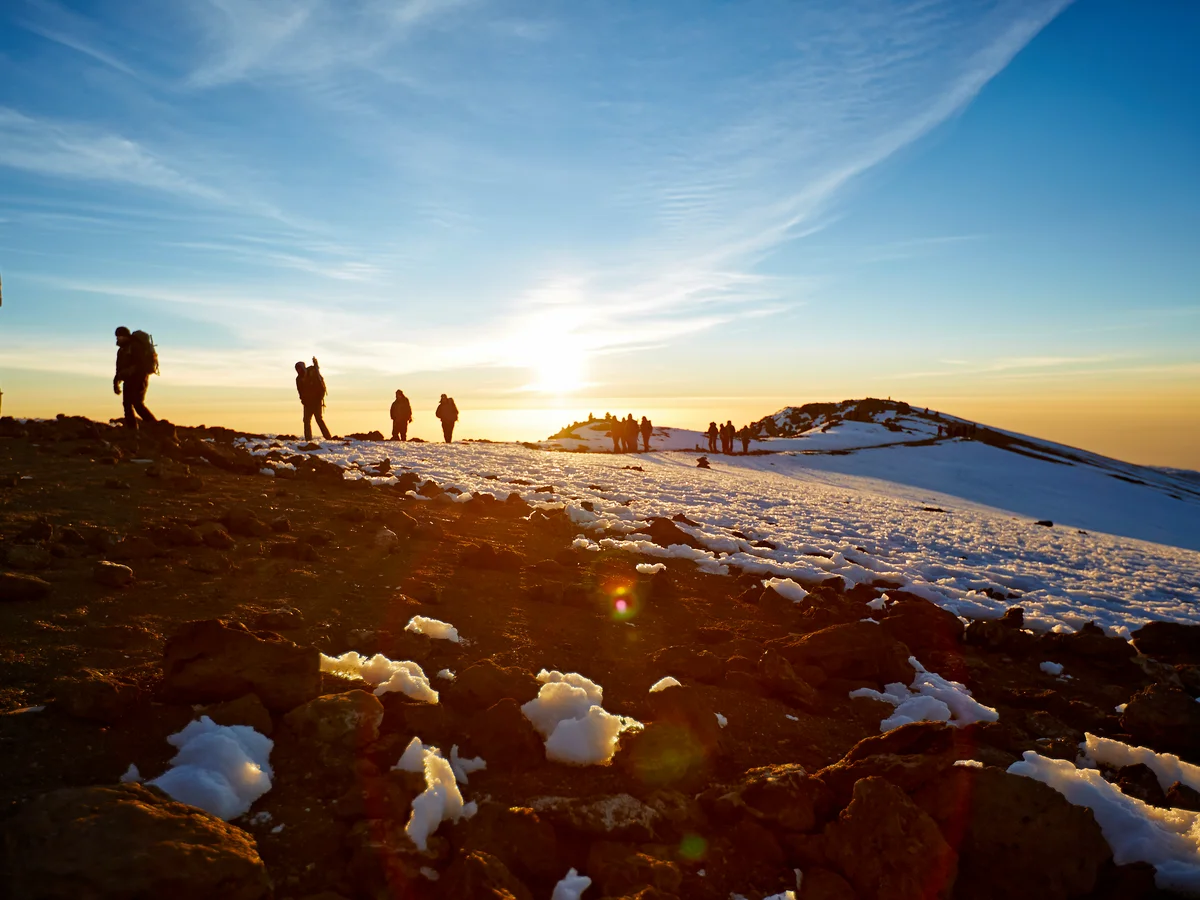
Choosing the right route to climb Mount Kilimanjaro is one of the most important decisions you will make when planning your adventure. Each route offers a unique experience, and the best choice depends on your fitness level, time, and personal preferences.
For most climbers, longer routes such as Lemosho or Northern Circuit provide the best balance of acclimatization, scenery, and success rates. Machame is ideal for those seeking a popular and scenic route, while Rongai offers a quieter alternative.
With the right route, proper preparation, and a positive mindset, reaching the summit of Mount Kilimanjaro becomes an achievable and unforgettable experience.