

Kilimanjaro Climb Cost Breakdown
Climbing Mount Kilimanjaro is a once-in-a-lifetime adventure, but understanding the full cost is essential for proper planning. Many travelers are surprised to learn that the price of climbing Kilimanjaro is influenced by several factors, including park fees, guide services, route choice, and level of comfort.
The total cost of climbing Kilimanjaro typically ranges from $1,400 to $5,500 or more per person. Budget climbs are available at the lower end, while luxury expeditions with premium services can cost significantly more. Knowing what is included in the price helps you choose the right package and avoid unexpected expenses.
This detailed cost breakdown will help you understand exactly where your money goes when planning a Kilimanjaro climb.
Kilimanjaro Park Fees
One of the biggest portions of the cost comes from government park fees charged by Tanzania National Parks Authority. These fees are mandatory for all climbers and make up a large percentage of the total price.
Park fees typically include conservation fees, camping or hut fees, rescue fees, and crew fees. On average, park fees alone can cost between $800 and $1,200 per person depending on the number of days spent on the mountain.
These fees support conservation efforts, park maintenance, and safety services, ensuring that Kilimanjaro remains protected for future generations.
Guide and Porter Costs
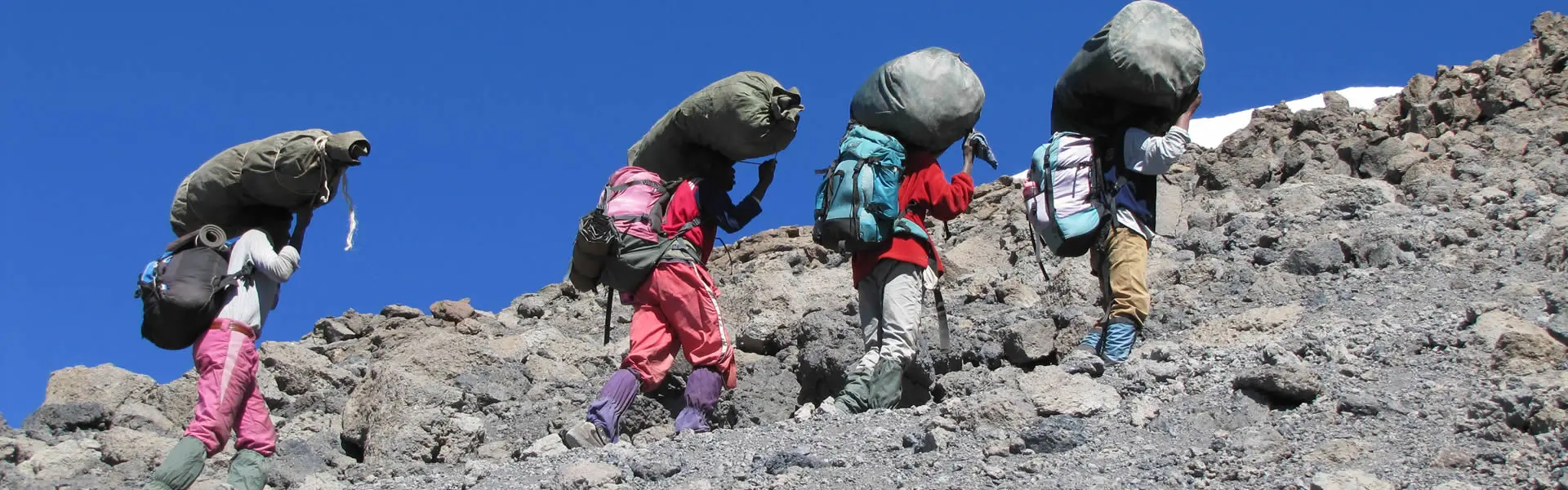
Climbing Kilimanjaro requires a licensed guide, and most climbs also include a team of porters and cooks. These crew members play a crucial role in ensuring a safe and successful climb.
Guides are responsible for navigation, safety, and monitoring climbers for altitude sickness. Porters carry equipment, tents, and supplies, allowing climbers to focus on the trek. Cooks prepare meals to keep energy levels high throughout the journey.
The cost of guides and porters is usually included in your tour package, but fair wages and proper treatment of staff should always be a priority when choosing an operator.

Accommodation Costs
Accommodation is another key factor in the overall cost. On most routes, climbers stay in tents, while the Marangu Route offers hut accommodation.
Before and after the climb, most packages include hotel stays in towns like Moshi or Arusha. These accommodations can range from budget hotels to luxury lodges depending on your package.
The level of comfort you choose will influence the total cost of your Kilimanjaro climb.
Food and Water
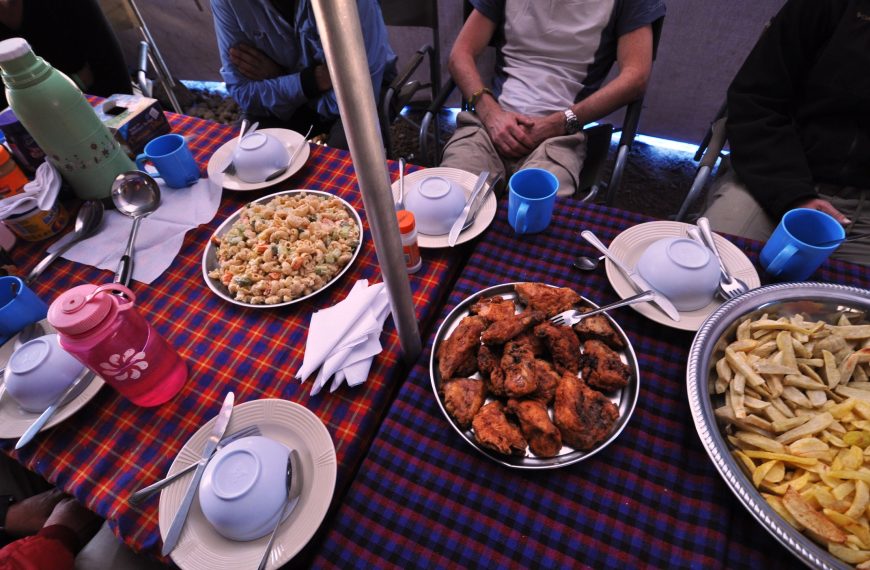
Meals are provided throughout the trek and are prepared by the mountain crew. A typical Kilimanjaro menu includes carbohydrates, proteins, fruits, and hot drinks to maintain energy levels.
Clean drinking water is also provided, although it is usually treated or filtered. The cost of food and water is included in most packages, but it is an essential component of the overall price.
Transport and Transfers
Transportation costs include airport transfers and travel to and from the mountain gates. Most climbers arrive via Kilimanjaro International Airport and are transferred to their hotel and the starting point of the trek.
These transport services are typically included in the package, ensuring a smooth and hassle-free experience.
Equipment Costs
Some Kilimanjaro packages include basic camping equipment such as tents and sleeping mats. However, personal gear like hiking boots, jackets, and sleeping bags are usually not included.
Climbers can either bring their own equipment or rent gear locally. Renting equipment can add extra costs, especially for high-quality cold-weather gear needed for the summit.
Investing in proper gear is important for comfort and safety, particularly at high altitude where temperatures can drop below freezing.
Tips and Gratuities
Tipping is a standard and expected part of climbing Kilimanjaro. The mountain crew works hard to support climbers, and tips are an important part of their income.
Typical tipping guidelines range from $200 to $300 per climber for the entire crew, depending on the group size and level of service.
It is important to budget for tips separately, as they are not always included in the initial package price.
Route and Duration Impact on Cost
The route you choose has a significant impact on the total cost. Longer routes such as the Lemosho or Northern Circuit are more expensive because they involve more days on the mountain, higher park fees, and additional crew support.
Shorter routes like Marangu or Umbwe are less expensive but may have lower success rates due to limited acclimatization time.
Choosing a longer route may cost more, but it can greatly increase your chances of reaching the summit.

Budget vs Mid-Range vs Luxury Climbs
Kilimanjaro climbs are generally divided into three categories: budget, mid-range, and luxury.
Budget climbs are the most affordable but may offer basic services, smaller tents, and limited comfort. Mid-range climbs provide a good balance between cost and quality, with better equipment and experienced guides.
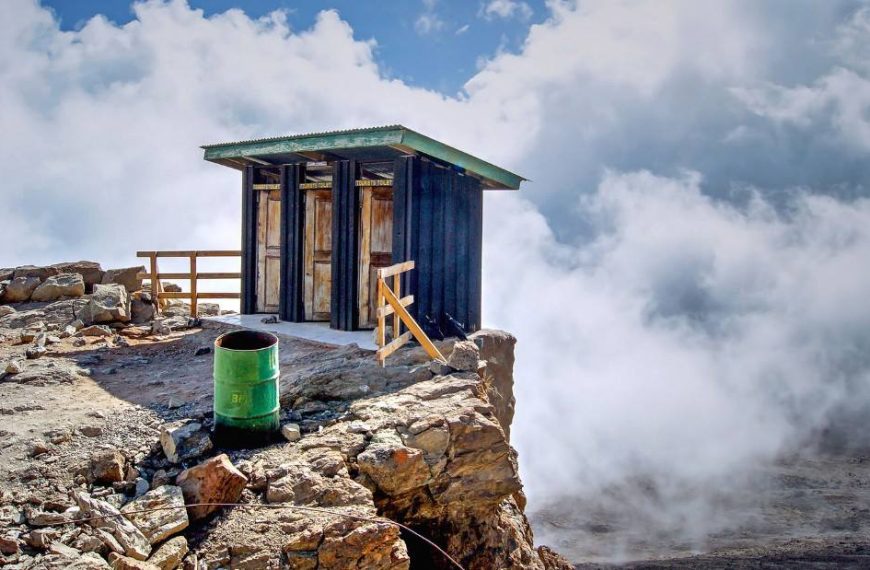
Luxury climbs offer premium services such as larger tents, comfortable sleeping arrangements, private toilets, and high-quality meals. These packages provide the highest level of comfort but come at a higher price.
Choosing the right level depends on your budget and personal preferences.
Hidden Costs to Consider
In addition to the main expenses, there are several hidden costs that climbers should consider. These include travel insurance, visas, flights, personal gear, and optional extras such as private toilets or additional hotel nights.
Travel insurance is especially important, as it should cover high-altitude trekking and emergency evacuation.
Being aware of these additional costs helps you plan a realistic budget for your Kilimanjaro adventure.
How to Save Money on a Kilimanjaro Climb
There are several ways to reduce the cost of climbing Kilimanjaro without compromising safety. Joining a group climb is one of the most effective ways to lower costs, as expenses are shared among participants.
Traveling during the low season can also reduce prices, as some operators offer discounts. Renting gear instead of buying it can help save money, especially for items you may not use again.
However, it is important not to choose the cheapest option without considering safety and quality. A well-organized climb with experienced guides is essential for success.
Is Climbing Kilimanjaro Worth the Cost
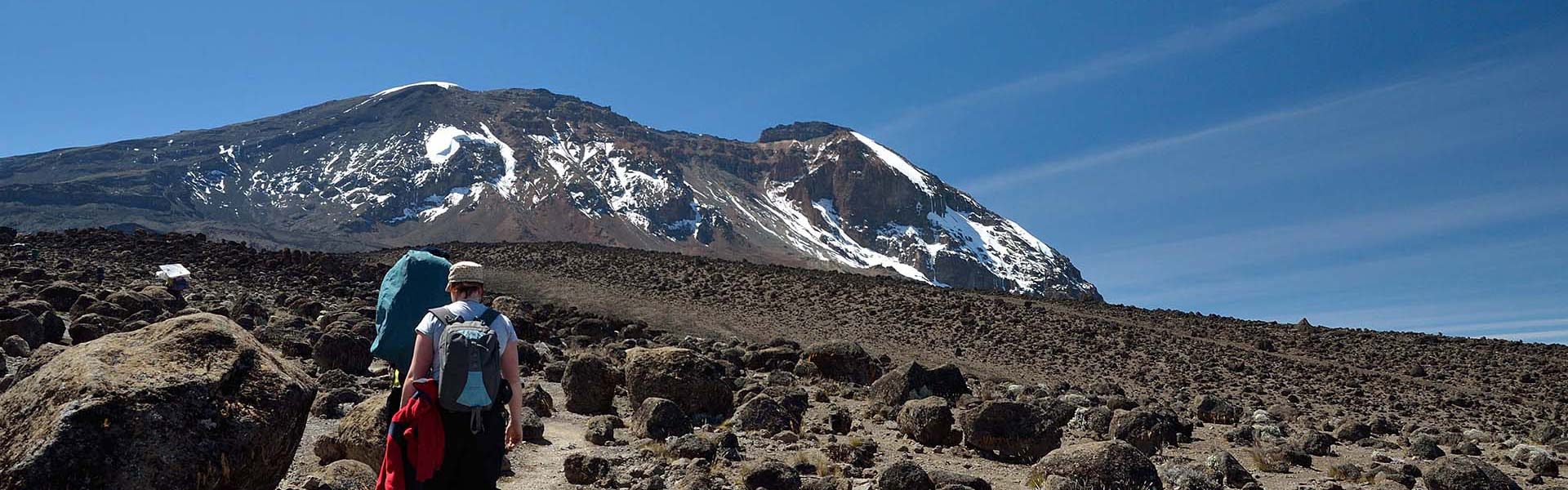
Climbing Mount Kilimanjaro is a significant investment, but for many travelers, it is worth every dollar. The experience of trekking through diverse landscapes, overcoming challenges, and reaching the highest point in Africa is truly unforgettable.
Beyond the physical achievement, the journey offers cultural experiences, breathtaking scenery, and a deep connection with nature. For those seeking adventure and personal growth, Kilimanjaro provides an incredible return on investment.
Understanding the cost breakdown of climbing Mount Kilimanjaro helps you plan effectively and avoid surprises. From park fees and guides to equipment and tips, every element plays a role in the overall price.
While costs can vary depending on your choices, investing in a reputable operator and proper preparation is essential for a safe and successful climb. With the right planning and budgeting, climbing Kilimanjaro becomes an achievable and rewarding adventure that will stay with you for a lifetime.