

Kilimanjaro Health Issues Guide
Climbing Mount Kilimanjaro is one of the most remarkable trekking adventures in the world. Rising to 5,895 meters above sea level, Kilimanjaro is the highest mountain in Africa and attracts thousands of climbers every year who hope to reach its famous summit at Uhuru Peak.
Although climbing Kilimanjaro does not require technical mountaineering skills, the high altitude and changing weather conditions can create several health challenges for climbers. Understanding these potential health issues is essential for anyone planning to climb the mountain.
With proper preparation, gradual acclimatization, and professional guidance, most climbers complete the trek safely and successfully. Knowing how to recognize symptoms and take preventive measures helps ensure a safe and enjoyable Kilimanjaro experience.
Understanding High Altitude on Kilimanjaro
One of the biggest health challenges on Mount Kilimanjaro is the high altitude. As climbers ascend the mountain, oxygen levels in the air gradually decrease. This makes breathing more difficult and forces the body to work harder.
Altitude can affect anyone regardless of age, fitness level, or trekking experience. Even experienced hikers may experience symptoms as they climb higher on the mountain.
The key to reducing altitude-related health risks is proper acclimatization. Most Kilimanjaro itineraries take between six and nine days, allowing climbers to ascend slowly and give their bodies time to adjust to the lower oxygen levels.
Longer routes such as the Lemosho or Machame routes often provide better acclimatization and increase the chances of reaching the summit safely.

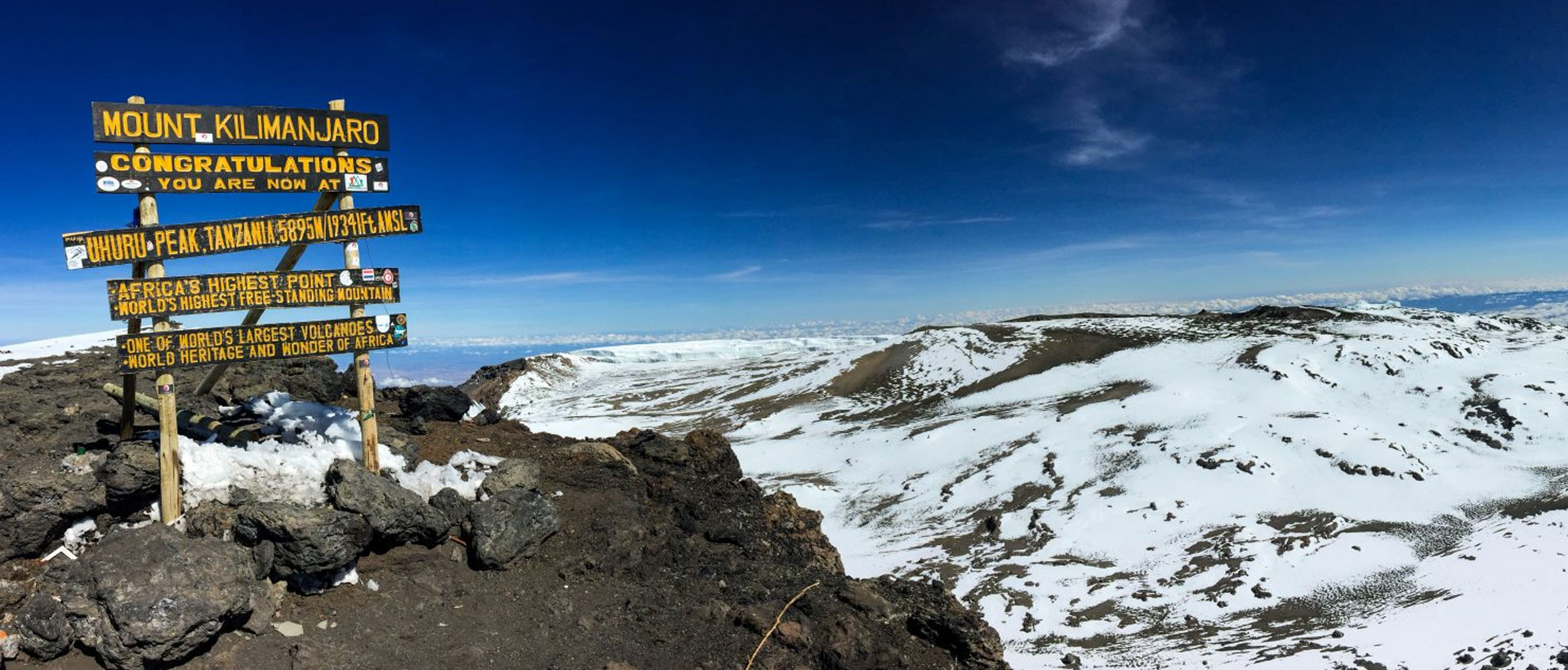
Altitude Sickness (Acute Mountain Sickness)
The most common health issue on Kilimanjaro is Acute Mountain Sickness, often referred to as AMS. This condition occurs when the body struggles to adjust to high altitude.
Symptoms of mild altitude sickness may include headaches, nausea, dizziness, fatigue, loss of appetite, and difficulty sleeping. These symptoms are common at higher camps and often improve with rest and hydration.
More serious forms of altitude illness include High Altitude Pulmonary Edema (HAPE) and High Altitude Cerebral Edema (HACE). These conditions are rare but potentially life-threatening if not treated quickly.
Professional guides closely monitor climbers for signs of altitude sickness and may recommend descending to lower altitudes if symptoms worsen.
Dehydration on Kilimanjaro
Dehydration is another common issue faced by climbers on Mount Kilimanjaro. At high altitude, the body loses fluids more quickly through breathing and physical activity.
Cold temperatures can also reduce the feeling of thirst, causing climbers to drink less water than their bodies need.
To prevent dehydration, climbers are encouraged to drink at least three to four liters of water each day during the trek. Guides often remind climbers to drink regularly even when they do not feel thirsty.
Proper hydration supports acclimatization and helps reduce the risk of altitude sickness.

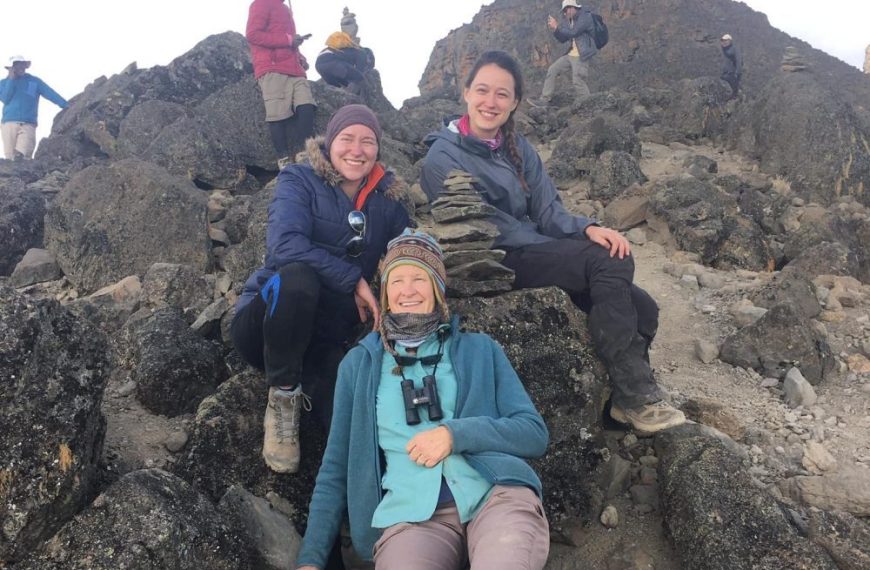
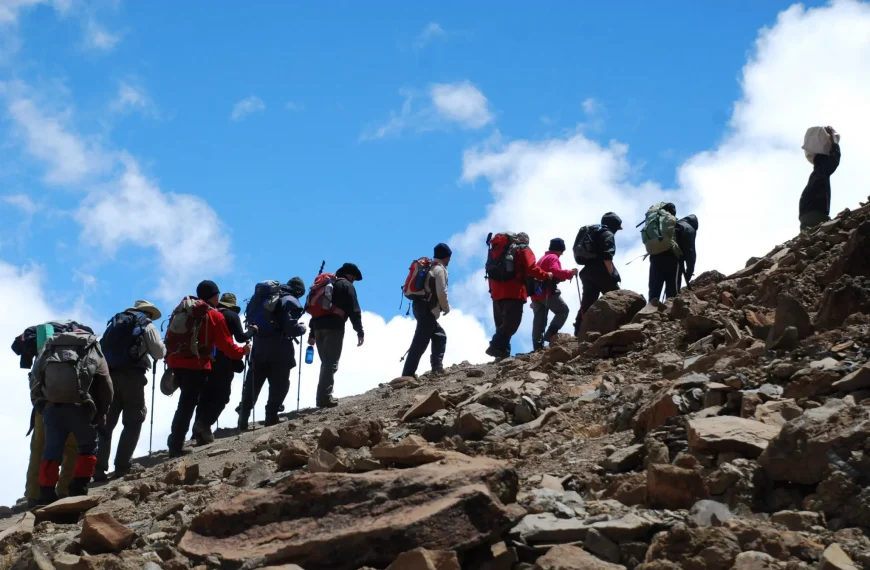
Cold Related Health Issues
Temperatures on Mount Kilimanjaro vary significantly depending on altitude. While the lower slopes are warm and humid, the summit zone can experience extremely cold conditions.
During summit night, temperatures can drop well below freezing. Exposure to extreme cold can lead to conditions such as Hypothermia or frostbite if climbers are not properly dressed.
Wearing appropriate layers is essential for protecting the body from cold temperatures. Thermal base layers, insulated jackets, waterproof shells, gloves, and warm hats help maintain body heat throughout the climb.
Staying warm and dry plays a major role in preventing cold related health issues during the expedition.
Fatigue and Physical Exhaustion
Climbing Kilimanjaro involves several days of trekking at high altitude, which can lead to fatigue and physical exhaustion. Long hiking days, reduced oxygen levels, and cold temperatures can put stress on the body.
Proper training before the climb helps improve endurance and reduce fatigue. Hiking, cardio training, and leg strengthening exercises are excellent ways to prepare for the trek.
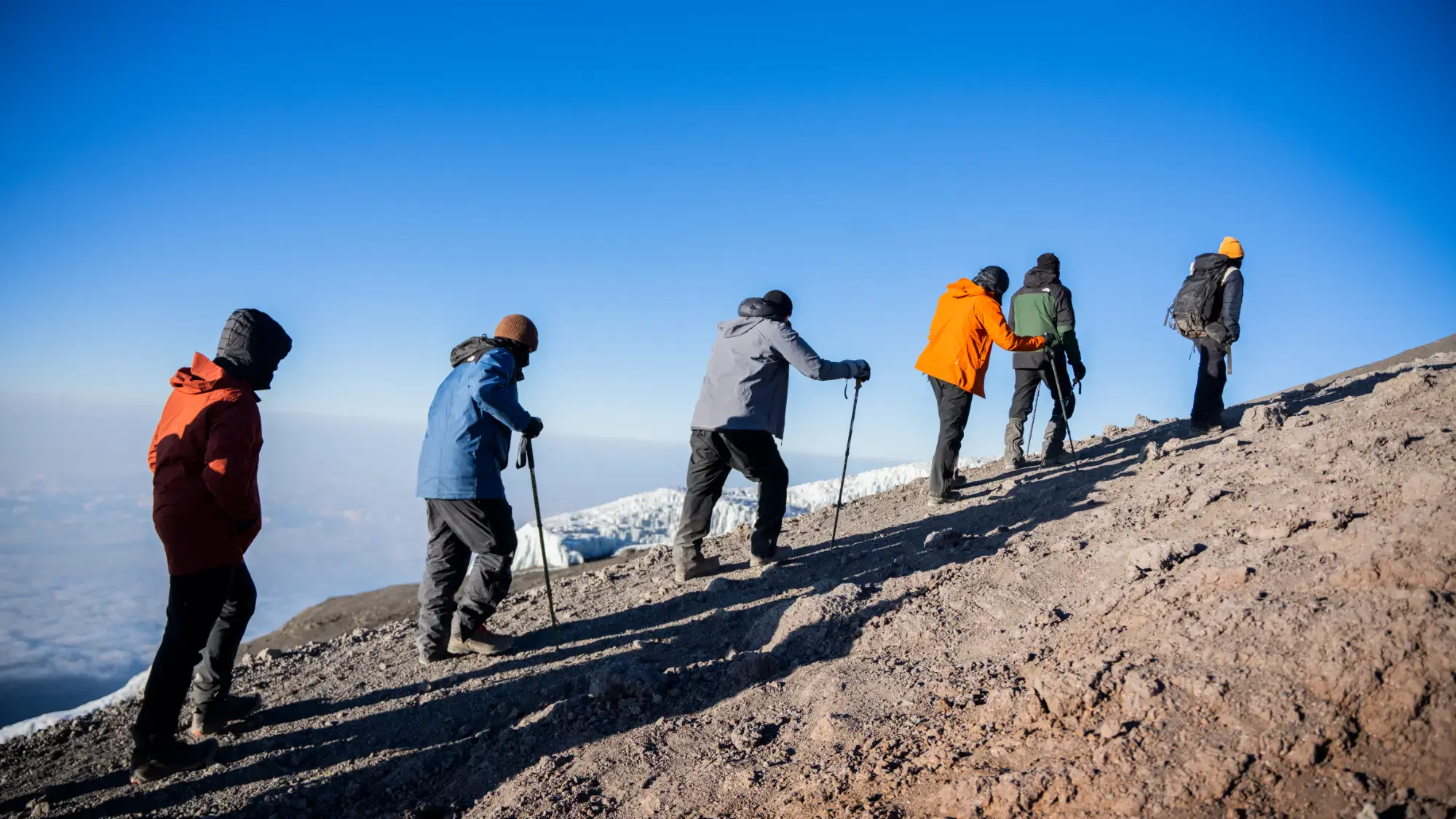
During the climb, maintaining a slow and steady pace is important. Guides on Kilimanjaro often use the phrase “pole pole,” which means slowly slowly, to remind climbers to conserve energy while trekking.
Eating nutritious meals and energy-rich snacks during the expedition also helps maintain strength and stamina.
Gastrointestinal Issues
Some climbers may experience mild stomach discomfort during the trek. Changes in diet, altitude, and physical exertion can sometimes cause digestive issues. Maintaining proper hygiene and washing hands regularly before meals helps reduce the risk of stomach problems.
Drinking purified or treated water is also important for preventing illness during the climb. Professional trekking teams ensure that water is properly filtered or boiled before it is served to climbers.
Professional Health Monitoring on Kilimanjaro
Safety and health monitoring are essential components of every Kilimanjaro expedition. Professional guides perform regular health checks to ensure climbers are adjusting well to altitude.
These checks often include monitoring oxygen saturation levels using pulse oximeters and observing climbers for symptoms of altitude sickness.
Guides also carry essential medical supplies including first aid kits and emergency oxygen. In the rare case of serious health issues, guides are trained to arrange immediate descent and evacuation if necessary.
Having experienced guides and proper safety procedures greatly improves the safety of climbing Mount Kilimanjaro.

Why Climb Kilimanjaro with Boko Explorers
Choosing a professional and responsible trekking company is essential for a safe Kilimanjaro climb.
Boko Explorers provides experienced mountain guides, well trained support teams, and carefully planned itineraries that prioritize acclimatization and climber safety.
Every expedition includes professional guides, dedicated porters, nutritious meals, and high quality camping equipment. Regular health monitoring ensures climbers remain safe and comfortable throughout the journey.
With expert support and strong teamwork, Boko Explorers helps climbers overcome the challenges of high altitude and successfully reach the summit of Mount Kilimanjaro.
Climbing Mount Kilimanjaro is an incredible adventure that offers breathtaking landscapes and a powerful sense of achievement. While health challenges such as altitude sickness, dehydration, and cold exposure are possible, proper preparation and professional guidance can greatly reduce these risks.
Understanding potential Kilimanjaro health issues helps climbers prepare both physically and mentally for the journey ahead. With careful planning and expert support from Boko Explorers, climbers can approach the adventure with confidence and enjoy one of the most rewarding trekking experiences in the world.