
Authentic Local Experiences in Tanzania (2026 Guide)
Tanzania is often known for iconic safaris in places like Serengeti National Park and beach holidays in Zanzibar. But beyond the famous attractions, the real heart of Tanzania is found in its people, traditions, daily life, and community-based experiences.
Authentic local experiences allow travelers to connect deeply with culture, food, nature, and history in a way that standard tourism cannot offer. In 2026, more travelers are shifting toward meaningful, immersive travel and Tanzania is one of the best destinations in Africa for this.
Why Choose Authentic Local Experiences in Tanzania?
Modern travelers are no longer satisfied with only sightseeing. They want real connections, stories, and participation in local life. Authentic experiences in Tanzania offer:
- Direct interaction with local communities
- Cultural learning beyond museums and tours
- Support for local families and small businesses
- Unique experiences unavailable in mass tourism
These experiences are especially valuable in destinations outside major tourist hubs like Ngorongoro Crater or coastal resorts.
Maasai Cultural Experiences
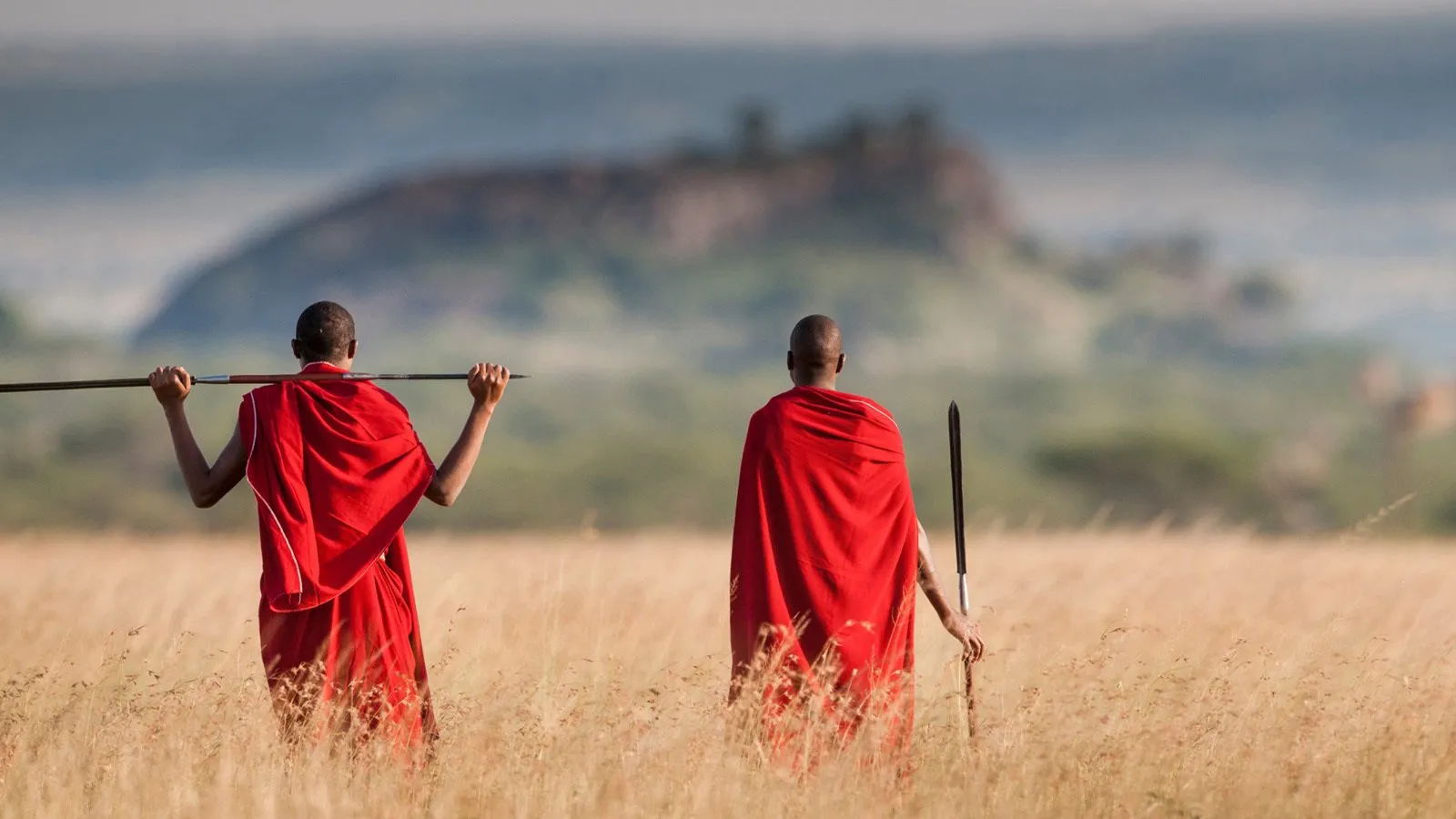
One of the most famous cultural experiences in Tanzania is visiting Maasai communities.
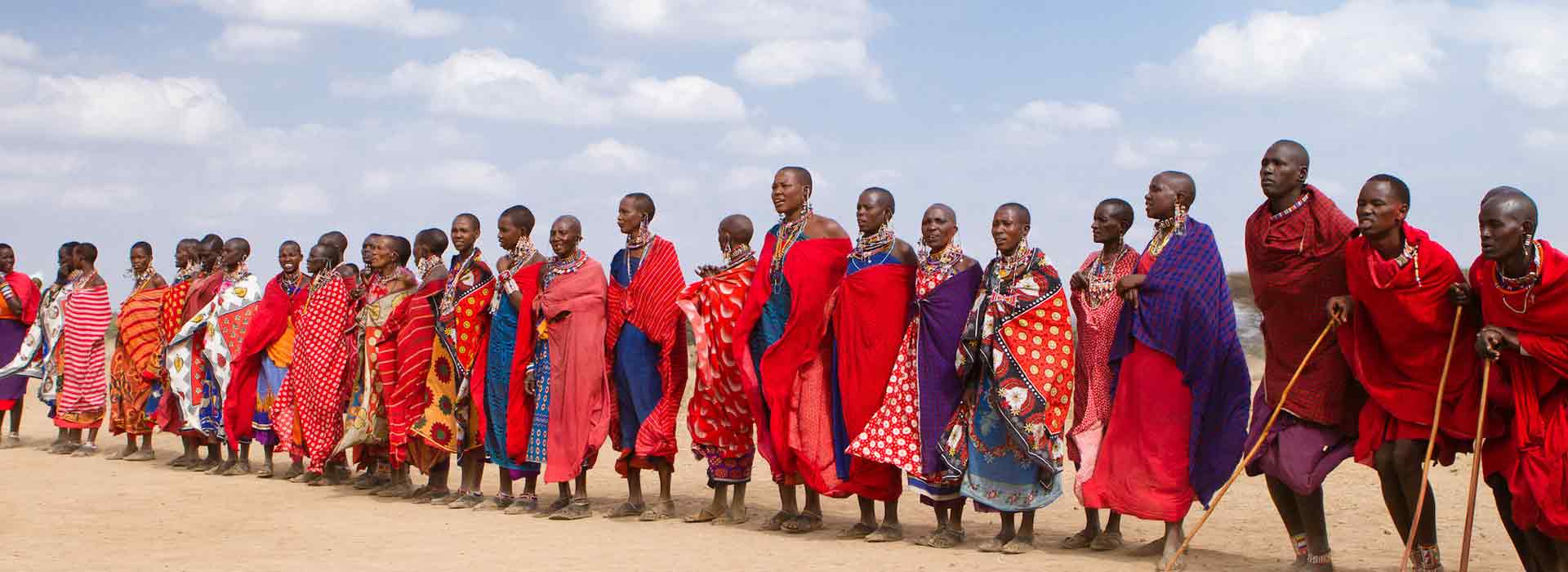
The Maasai are known for their traditional lifestyle, colorful clothing, and strong cultural identity. In areas around Arusha and the northern safari circuit, visitors can experience:
- Traditional Maasai dances and songs
- Visits to manyatta (traditional homesteads)
- Storytelling about Maasai history and beliefs
- Demonstrations of cattle herding techniques
These experiences are often community-led, meaning your visit directly supports local families.
Local Market Tours in Tanzania
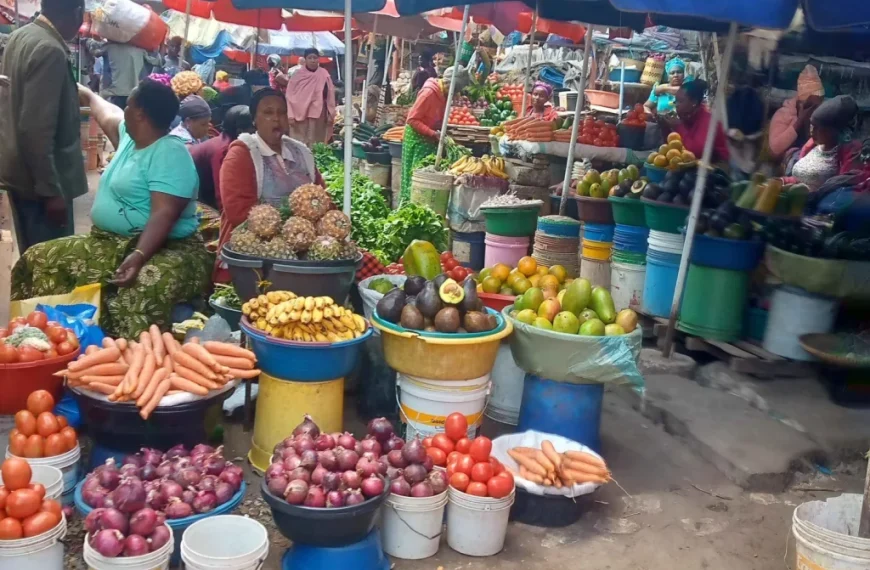
Markets are the heartbeat of Tanzanian daily life. Visiting local markets gives you a true sense of how people live, trade, and interact.
In cities like Dar es Salaam and Arusha, travelers can explore vibrant markets filled with:
- Fresh tropical fruits and spices
- Handmade crafts and souvenirs
- Traditional clothing (kitenge and kanga)
- Street food and local snacks
Walking through a market is not just shopping, it’s a cultural experience full of color, sound, and energy.
Traditional Tanzanian Food Experiences
Food is one of the most powerful ways to understand a culture, and Tanzania offers rich culinary traditions influenced by African, Arab, and Indian flavors.
Authentic food experiences include:
- Cooking classes with local families
- Street food tours in urban areas
- Traditional meals such as ugali, nyama choma, and pilau
- Coastal Swahili cuisine in Zanzibar
Visitors often enjoy cooking with locals, learning recipes passed down through generations.
Village Life Experiences
One of the most meaningful ways to explore Tanzania is by spending time in rural villages.
Village experiences often include:
- Farming activities with local families
- Water fetching and daily household routines
- Traditional crafts like basket weaving
- Interaction with children and community leaders
These experiences give travelers a deeper understanding of rural life and the challenges and beauty of living close to nature.
Fishing Village Experiences on the Coast
Along the Indian Ocean coast, traditional fishing villages offer a completely different cultural experience.
In areas near Pangani and other coastal settlements, visitors can:
- Join fishermen on early morning trips
- Learn traditional fishing methods
- Watch dhow boat construction
- Experience coastal Swahili culture
These communities have preserved centuries-old maritime traditions.
Coffee and Farming Tours
Tanzania is also known for its agriculture, especially coffee and spices.
In regions near Arusha and northern highlands, travelers can visit farms to learn:
- How coffee is grown and processed
- Traditional roasting techniques
- Banana and spice farming
- Organic farming practices
These tours often end with fresh coffee tasting directly from local producers.
Music, Dance, and Cultural Festivals
Music and dance are central to Tanzanian culture. Many communities use performance to celebrate life events, ceremonies, and traditions.
Travelers may experience:
- Traditional drumming performances
- Swahili music and dance shows
- Cultural festivals in towns and villages
- Storytelling through song
These experiences are especially vibrant during cultural events and community celebrations.
Homestays with Local Families
One of the most immersive experiences in Tanzania is staying with a local family.
Homestays offer:
- Shared meals with host families
- Participation in daily routines
- Cultural exchange and storytelling
- A deeper understanding of Tanzanian life
This type of travel creates meaningful human connections that go beyond tourism.
Learning Swahili Language Basics
Swahili (Kiswahili) is the national language of Tanzania and an important part of cultural identity.
Many local experiences include basic language lessons such as:
- Greetings and common phrases
- Market communication
- Cultural expressions
- Simple conversational skills
Learning even a few words enhances interactions and shows respect for local culture.
Responsible and Respectful Tourism
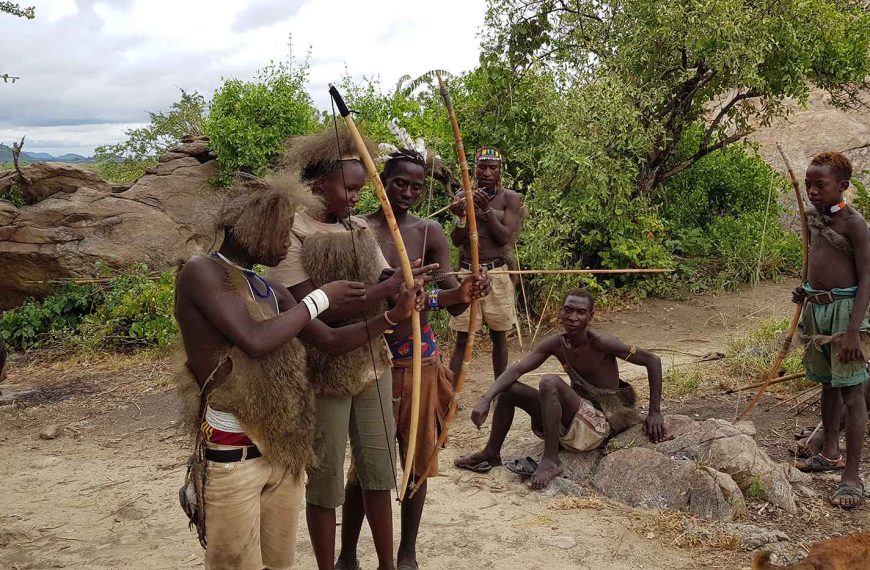
When participating in local experiences in Tanzania, it is important to travel responsibly:
- Respect cultural traditions and customs
- Ask permission before taking photos
- Support community-based tourism projects
- Avoid disrupting daily life
Responsible tourism ensures that communities benefit positively from visitors.
Best Places for Authentic Experiences
Some of the best regions for local experiences include:
- Arusha – cultural tours and Maasai villages
- Dar es Salaam – urban culture and markets
- Coastal areas like Pangani – Swahili heritage
- Northern highlands – coffee farms and rural life
Each region offers a different cultural perspective.
Best Time to Experience Local Culture
Authentic experiences in Tanzania are available year-round, but:
- June to October: Easier travel and festivals
- December to February: Warm weather and active tourism
- March to May: Fewer tourists and deeper immersion
Each season offers a different cultural atmosphere.
Authentic local experiences in Tanzania offer travelers something far more meaningful than sightseeing. They provide connection, understanding, and memories that last a lifetime.
From Maasai villages near Arusha to fishing communities along the coast and coffee farms in the highlands, Tanzania’s cultural richness is incredibly diverse.
For travelers in 2026, choosing authentic experiences means stepping beyond traditional tourism and discovering the real soul of Tanzania, its people, traditions, and everyday life.