
What Animals Live on Mount Kilimanjaro?
Climbing Mount Kilimanjaro is often associated with glaciers, summit views, and high-altitude trekking. However, many climbers are surprised to learn that the mountain is also home to diverse wildlife. Before stepping onto the trail, many travelers ask:
Are there animals on Mount Kilimanjaro?
The answer is yes, especially in the lower ecological zones. While you won’t see large predators near the summit, the mountain’s rainforest and moorland zones support a variety of mammals, birds, and smaller species.
This guide explains what wildlife you might encounter during your Kilimanjaro climb.
Why Does Kilimanjaro Have Wildlife?
Kilimanjaro is protected within Kilimanjaro National Park, a UNESCO World Heritage Site known not only for its summit but also for its rich ecosystems.
The mountain has five main ecological zones:
- Cultivation zone
- Rainforest zone
- Moorland zone
- Alpine desert
- Arctic summit
Wildlife is most abundant in the rainforest zone, where vegetation is thick and water sources are plentiful. As you ascend higher, animal life gradually decreases due to colder temperatures and lower oxygen levels.
Animals in the Rainforest Zone
The rainforest zone, located between approximately 1,800 and 2,800 meters, is where you are most likely to see animals.
Common species include:
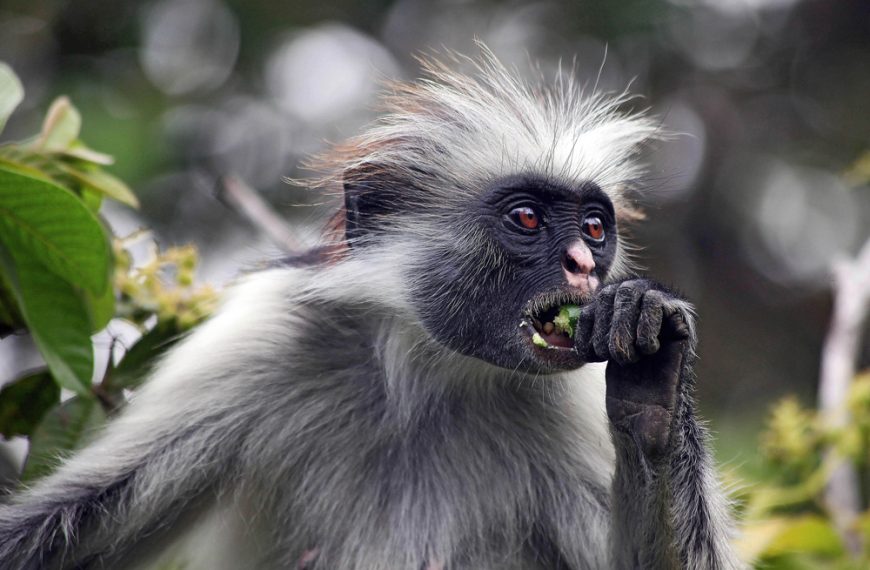
Blue Monkeys
Blue monkeys are frequently spotted moving through the forest canopy. They are curious but generally keep their distance from climbers.
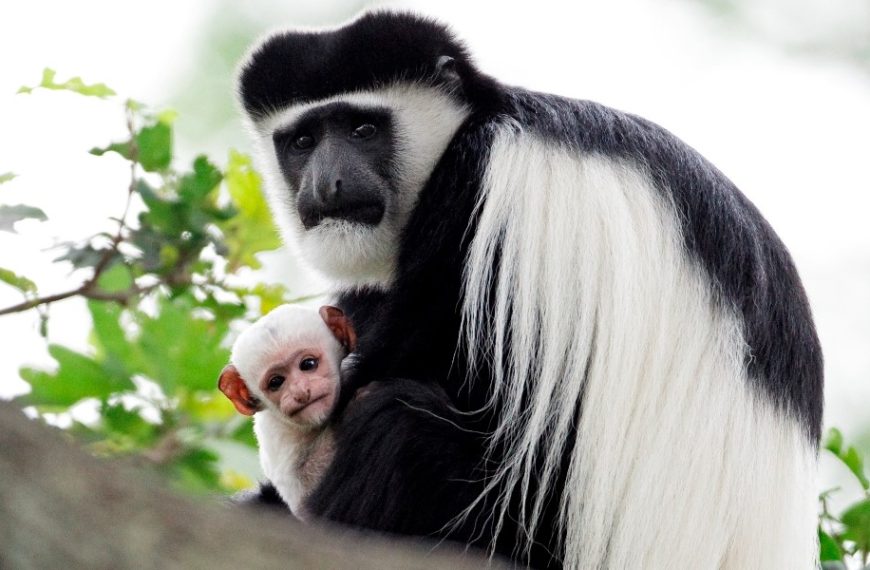
Black-and-White Colobus Monkeys
The striking black-and-white colobus monkey is one of the most iconic rainforest animals on Kilimanjaro. Their long white tails and dramatic fur make them easy to recognize.
Bushbucks
Bushbucks are shy antelope species that live in forested areas. They are usually seen early in the morning or near dusk.
Small Forest Mammals
Duikers, tree hyraxes, and mongooses inhabit the dense undergrowth, though they are less commonly seen.
Larger Mammals on Kilimanjaro
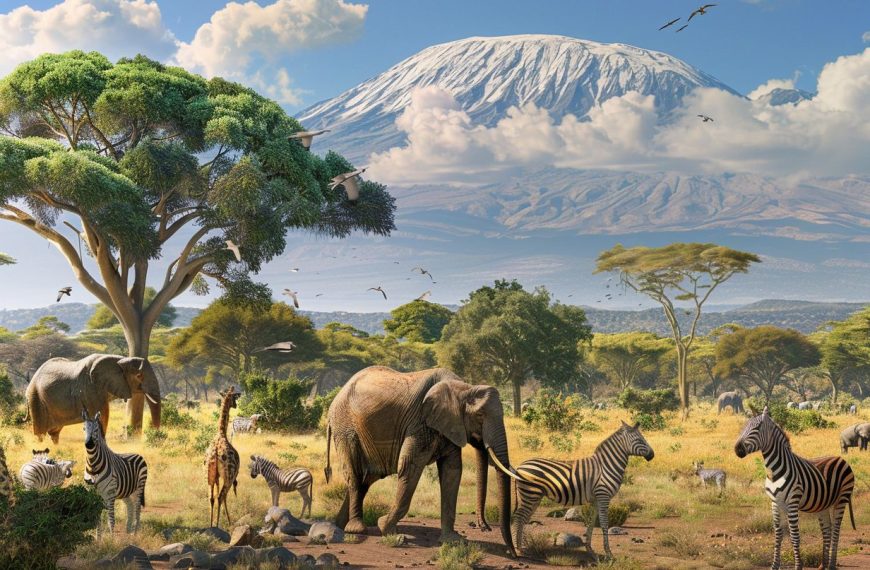
Although rare during climbs, larger animals do inhabit the lower slopes of the mountain.
These include:
- Elephants
- Buffalo
- Leopards
These species are mostly found in remote forest areas and rarely approach main trekking routes. Encounters during guided climbs are extremely uncommon. The presence of trained guides and established trails makes trekking safe for visitors.
Wildlife in the Moorland Zone
As you climb above the rainforest, vegetation becomes less dense. In the moorland zone (around 2,800–4,000 meters), wildlife becomes more limited but still present.
You may spot:
- Small antelope
- Rodents
- Birds of prey
This zone is known more for its unique plant life such as giant groundsels and lobelias than for large mammals.
Birds on Mount Kilimanjaro
Birdlife is one of the highlights for wildlife enthusiasts.
Some bird species found on Kilimanjaro include:
- Hartlaub’s turaco
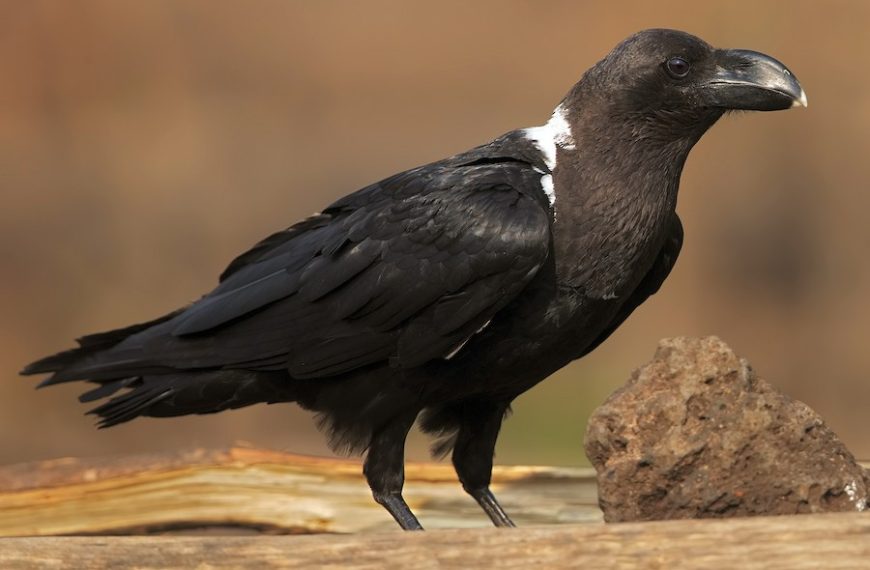
- White-necked raven
- Malachite sunbird
- Augur buzzard
The white-necked raven is especially common near camps and often seen soaring above climbers in higher zones. Birdwatchers may find Kilimanjaro surprisingly rewarding, particularly in the lower elevations.
Are There Dangerous Animals on Kilimanjaro?
Dangerous wildlife encounters on Kilimanjaro are extremely rare.
Predators such as leopards avoid busy trekking routes. Elephants and buffalo remain in lower forest areas far from standard climbing trails.
Because climbs are conducted with licensed guides and within regulated park routes, wildlife-related risks are minimal.
Kilimanjaro is considered a safe trekking environment in terms of animal encounters.
Wildlife at High Altitude
Above 4,000 meters in the alpine desert and arctic zones, wildlife becomes almost nonexistent.
Harsh conditions include:
- Freezing temperatures
- Strong winds
- Low oxygen levels
- Limited vegetation
Only small birds or insects occasionally survive at these elevations. By the time you approach Uhuru Peak, you will no longer encounter mammals.
Conservation and Environmental Protection
Kilimanjaro National Park plays a vital role in protecting the mountain’s biodiversity.
Strict conservation rules include:
- No littering
- No feeding wildlife
- Designated camping areas
- Controlled trekking routes
Responsible tourism ensures wildlife habitats remain undisturbed. Professional operators like Boko Explorers follow Leave No Trace principles to protect the mountain’s ecosystems.
Can You Combine Wildlife Viewing with Kilimanjaro?
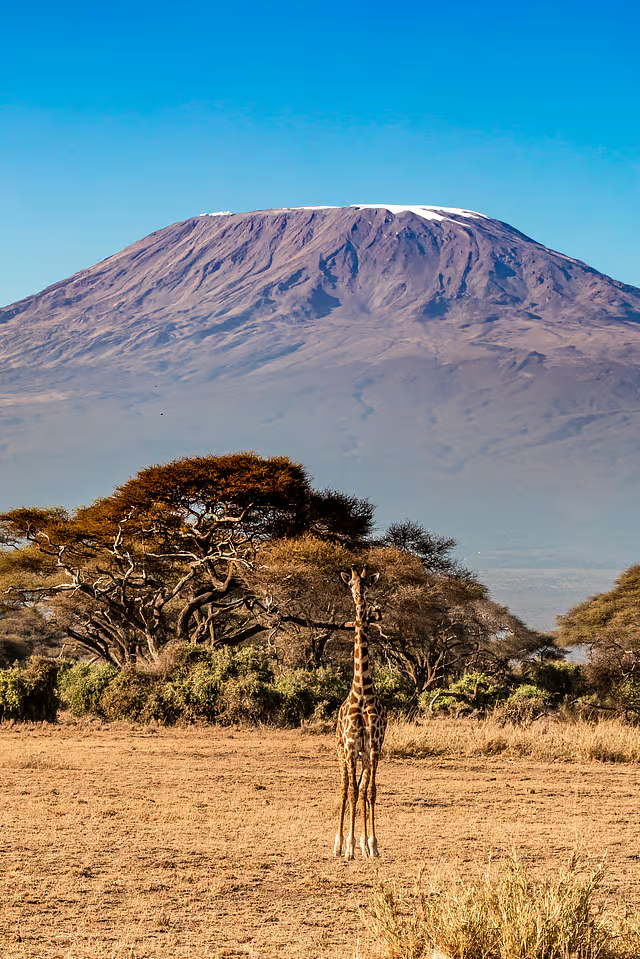
While Kilimanjaro offers limited wildlife compared to Tanzania’s safari parks, many climbers combine their trek with a safari experience.
Nearby destinations such as:
- Serengeti National Park
- Ngorongoro Crater
- Tarangire National Park
offer exceptional opportunities to see lions, elephants, giraffes, and the Great Migration.
A Kilimanjaro climb followed by safari creates the ultimate Tanzania adventure.
Why Wildlife Adds to the Kilimanjaro Experience
While wildlife is not the primary reason climbers attempt Kilimanjaro, seeing monkeys in the rainforest or ravens soaring above alpine camps enhances the journey.
It reminds trekkers that Kilimanjaro is not just a mountain, it is a living ecosystem.
Each ecological zone offers a unique natural experience beyond the summit goal.
Why Climb with Boko Explorers?
Understanding Kilimanjaro’s ecosystems requires experienced local knowledge.
Boko Explorers provides:
- Professional, certified mountain guides
- Deep knowledge of local wildlife and ecology
- Responsible trekking practices
- Environmentally sustainable operations
- Safe and well-managed climbing routes
Our guides not only lead you to the summit but also help you appreciate the natural environment along the way. So, are there animals on Mount Kilimanjaro?
Yes, especially in the lush rainforest zone where monkeys, antelope, and diverse bird species thrive. As you ascend higher, wildlife becomes sparse, replaced by dramatic landscapes and alpine beauty.
Climbing Kilimanjaro is not just a physical journey, it is a passage through multiple ecosystems, each with its own natural wonders. With professional guidance and responsible trekking practices, you can experience both the wildlife and the summit safely, creating a truly unforgettable adventure in Tanzania.