
Mount Kilimanjaro Climb Guide
Climbing Mount Kilimanjaro is one of the most iconic adventures in the world. Standing at 5,895 meters above sea level, Kilimanjaro is the highest mountain in Africa and the tallest free-standing mountain on Earth. Every year, thousands of trekkers travel to Tanzania to challenge themselves and experience the incredible journey to the “Roof of Africa.”
Unlike many high mountains, Kilimanjaro does not require technical climbing skills. This makes it accessible to beginners with good fitness levels, proper preparation, and determination. However, reaching the summit is still a serious challenge due to altitude, weather conditions, and the physical demands of multi-day trekking.
This complete Mount Kilimanjaro climb guide will help you understand everything you need to know from choosing the right route and preparing for altitude to packing, costs, and what to expect on the mountain.
Why Climb Mount Kilimanjaro
Climbing Mount Kilimanjaro is more than just a trek, it is a life-changing adventure. The mountain offers a unique opportunity to experience diverse landscapes, test your limits, and achieve a major personal goal.
One of the biggest attractions is the variety of ecosystems you pass through. The journey begins in lush rainforest, continues through moorland and alpine desert, and ends in an arctic summit zone. Few places in the world offer such dramatic changes in scenery within a single trek.
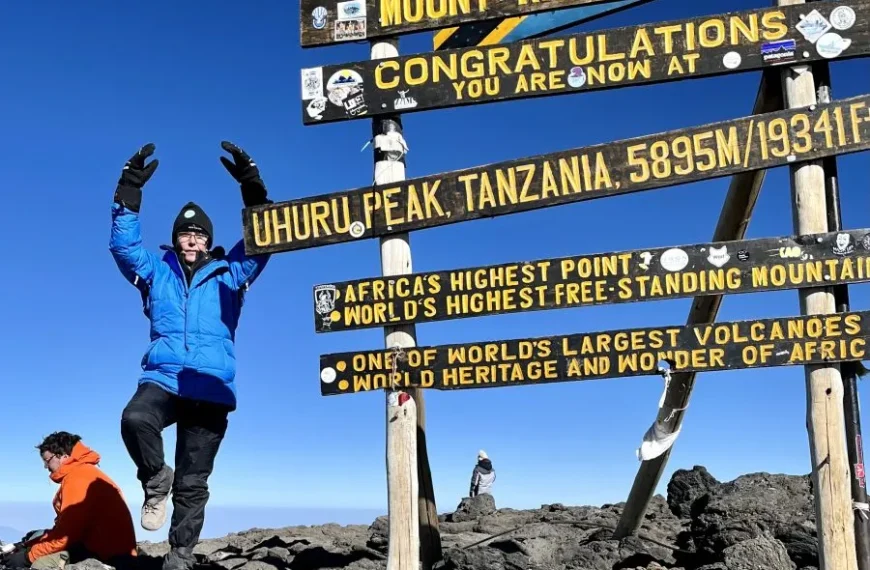
Another reason to climb Kilimanjaro is the sense of achievement. Reaching Uhuru Peak, the highest point in Africa, is a moment that many travelers describe as unforgettable.
Where Is Mount Kilimanjaro Located?
Mount Kilimanjaro is located in northern Tanzania, near the border with Kenya. The mountain lies within Kilimanjaro National Park, a protected area known for its biodiversity and natural beauty.
The nearest towns are Moshi and Arusha, which serve as the main gateways for climbers. Most trekking expeditions begin with arrival at Kilimanjaro International Airport before transferring to these towns.
Kilimanjaro Trekking Routes
There are several routes to climb Mount Kilimanjaro, each offering different scenery, difficulty levels, and success rates.
Marangu Route
Known as the “Coca-Cola Route,” Marangu is the only route with hut accommodation. It is considered one of the easier routes but has a lower success rate due to shorter acclimatization time.
Machame Route
Often called the “Whiskey Route,” Machame is one of the most popular options. It offers beautiful scenery and a good acclimatization profile, making it ideal for many climbers.
Lemosho Route
The Lemosho Route is one of the best choices for high success rates. It is longer, less crowded at the start, and provides excellent acclimatization.
Rongai Route
Approaching from the northern side near Kenya, the Rongai Route is quieter and drier. It is a great option during the rainy season.
Northern Circuit
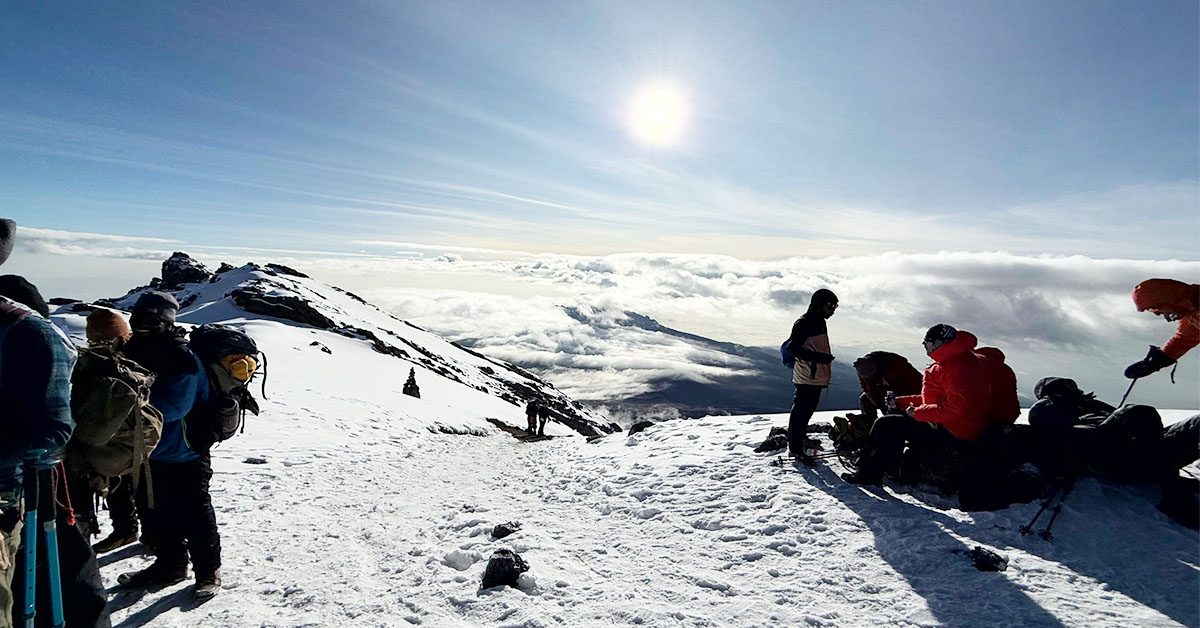
This is the longest route and offers the best acclimatization. It circles around the mountain, providing stunning views and fewer crowds. Choosing the right route is one of the most important decisions when planning your Kilimanjaro climb.
How Difficult Is Mount Kilimanjaro
Climbing Mount Kilimanjaro is considered a non-technical trek, meaning no ropes or climbing gear are required. However, it is physically demanding.
The main challenges include:
High altitude
Long trekking days
Cold temperatures
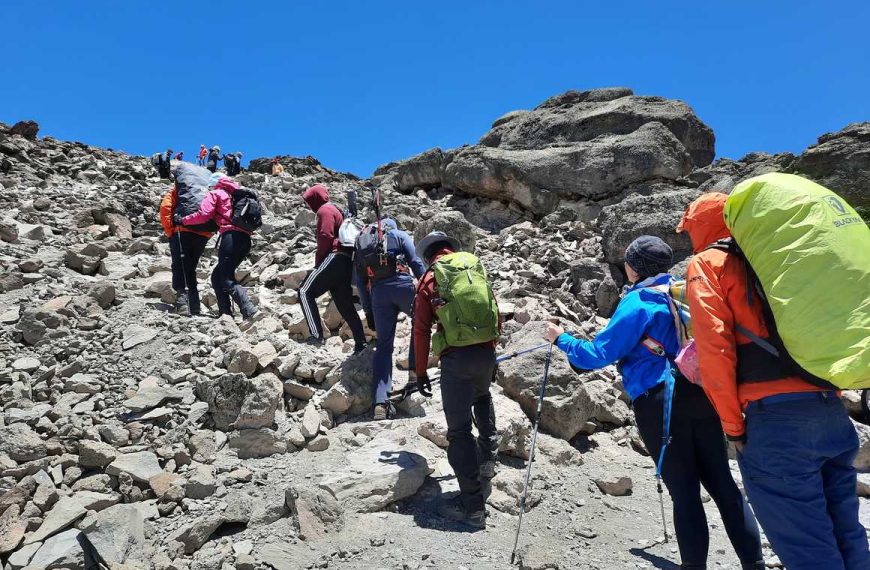
Steep summit climb
The biggest obstacle is altitude. Many climbers struggle not because of fitness, but because their bodies cannot adapt quickly enough to reduced oxygen levels.
With proper preparation, pacing, and acclimatization, most people can successfully reach the summit.
Altitude and Acclimatization
Altitude is the most important factor when climbing Mount Kilimanjaro. As you ascend, oxygen levels decrease, making it harder for your body to function.
Common symptoms of altitude sickness include:
Headaches
Nausea
Dizziness
Fatigue
To reduce risks, climbers should:
Choose longer routes for better acclimatization
Walk slowly (“pole pole”)
Stay hydrated
Listen to guides
Many climbers improve their chances by first trekking Mount Meru, which helps the body adjust to high altitude before attempting Kilimanjaro.
Best Time to Climb Kilimanjaro
The best time to climb Mount Kilimanjaro is during the dry seasons:
January to March (cooler, quieter)
June to October (most popular, best weather)
The rainy seasons (April–May and November) can make trails slippery and visibility poor, although they offer fewer crowds.
Choosing the right season can significantly impact your overall experience and summit success.
What to Expect on the Trek
A typical Kilimanjaro climb lasts between 5 and 9 days, depending on the route. Each day involves several hours of trekking through different landscapes.
A typical day includes:
Early morning wake-up
Breakfast at camp
Several hours of hiking
Lunch break on the trail
Arrival at camp in the afternoon
Dinner and rest
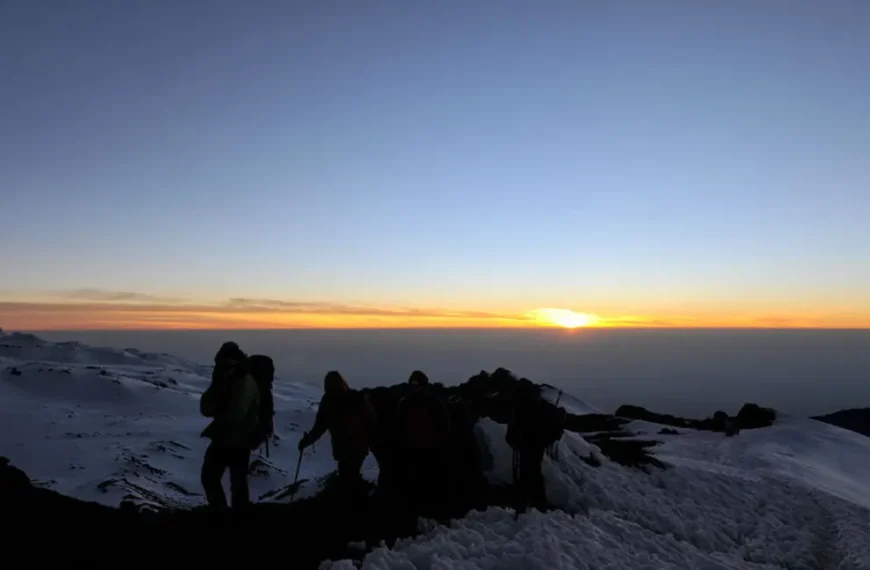
Summit night is the most challenging part. Climbers begin around midnight and hike for several hours in cold, dark conditions to reach Uhuru Peak at sunrise.
What to Pack for Kilimanjaro
Packing the right gear is essential for a successful climb. Temperatures vary from hot at the base to freezing at the summit.
Key items include:
Warm layers (thermal clothing, jacket)
Waterproof gear
Hiking boots
Sleeping bag
Headlamp
Gloves and hat
Sunglasses and sunscreen
Porters carry most of your equipment, allowing you to trek with a light daypack.
Cost of Climbing Kilimanjaro
Climbing Mount Kilimanjaro can range from $1,400 to $5,000+ depending on the route, duration, and level of service.
Costs typically include:
Park fees
Guides and porters
Accommodation on the mountain
Meals
Transport
Budget climbs are cheaper but may compromise comfort and safety. Choosing a reputable operator is highly recommended.
Tips for a Successful Kilimanjaro Climb
Success on Kilimanjaro depends on preparation and mindset. Here are essential tips:
Train before your trip (hiking, cardio, endurance)
Choose a longer route for better acclimatization
Walk slowly and conserve energy
Stay hydrated and eat well
Listen to your guide
Mental strength is just as important as physical fitness. Staying positive during challenging moments can make a big difference.
Combining Kilimanjaro with Other Adventures
Many travelers combine their Kilimanjaro climb with other experiences in Tanzania.
Popular options include:
Safari in Serengeti National Park
Ngorongoro Crater
Relaxing in Zanzibar
Acclimatization trek on Mount Meru
This combination creates a complete Tanzania adventure experience.
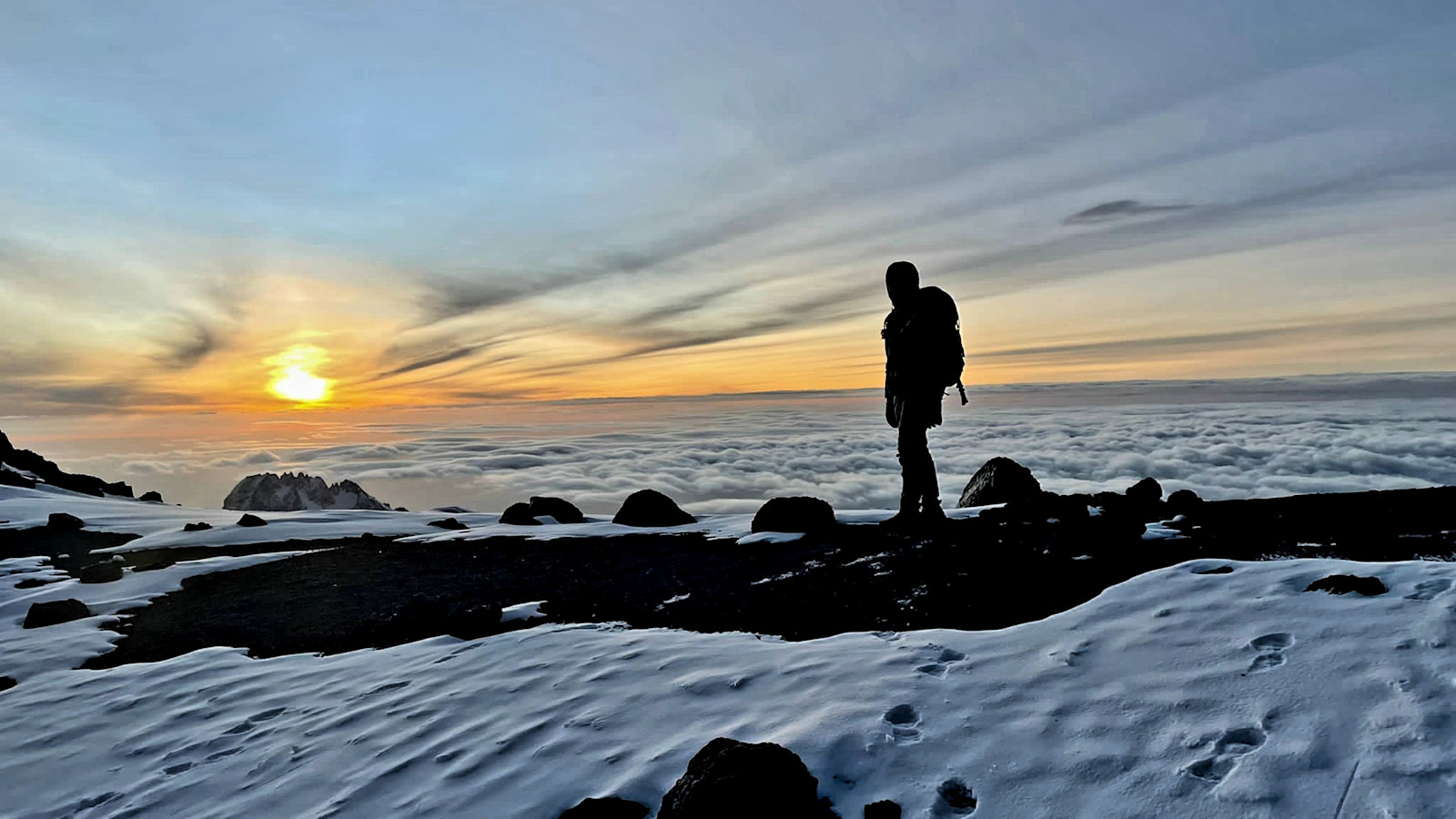
Why Choose Boko Explorers for Your Kilimanjaro Climb
Boko Explorers offers professionally guided climbs on Mount Kilimanjaro with a focus on safety, comfort, and high success rates. Our experienced guides monitor altitude, provide expert support, and ensure climbers follow proper pacing and acclimatization strategies.
We offer:
Well-planned itineraries
Quality equipment
Professional mountain crew
Personalized support
With Boko Explorers, climbers can focus on the experience while we handle all logistics. Climbing Mount Kilimanjaro is one of the greatest adventures in the world. It is a journey that challenges both body and mind while rewarding climbers with breathtaking landscapes and a deep sense of accomplishment.
From the rainforest at the base to the icy summit of Uhuru Peak, every step of the climb offers something unique and unforgettable. With proper preparation, the right route, and expert guidance, reaching the top of Africa is an achievable goal for many travelers.
Whether you are seeking adventure, personal achievement, or a once-in-a-lifetime experience, Mount Kilimanjaro delivers an extraordinary journey into the heart of Tanzania.