
Do I Need a Portable Urinal Bottle for Climbing Mount Kilimanjaro?
Climbing Mount Kilimanjaro is an incredible high-altitude adventure that requires preparation, the right gear, and attention to personal comfort.
One common but rarely discussed question is:
Do I need a portable urinal bottle for climbing Kilimanjaro?
The honest answer: It is not mandatory — but many climbers find it extremely useful, especially during cold nights and summit night.
This guide explains when a urinal bottle is helpful, when it is not necessary, and how it can improve comfort during your Kilimanjaro expedition.
What Toilet Facilities Are Available on Kilimanjaro?
To understand whether you need a urinal bottle, it helps to know the toilet situation on the mountain.
On most Kilimanjaro routes, public toilets are basic long-drop latrines located at campsites. Conditions vary depending on the route and season. Some are relatively maintained; others can be uncomfortable, especially at higher altitudes.
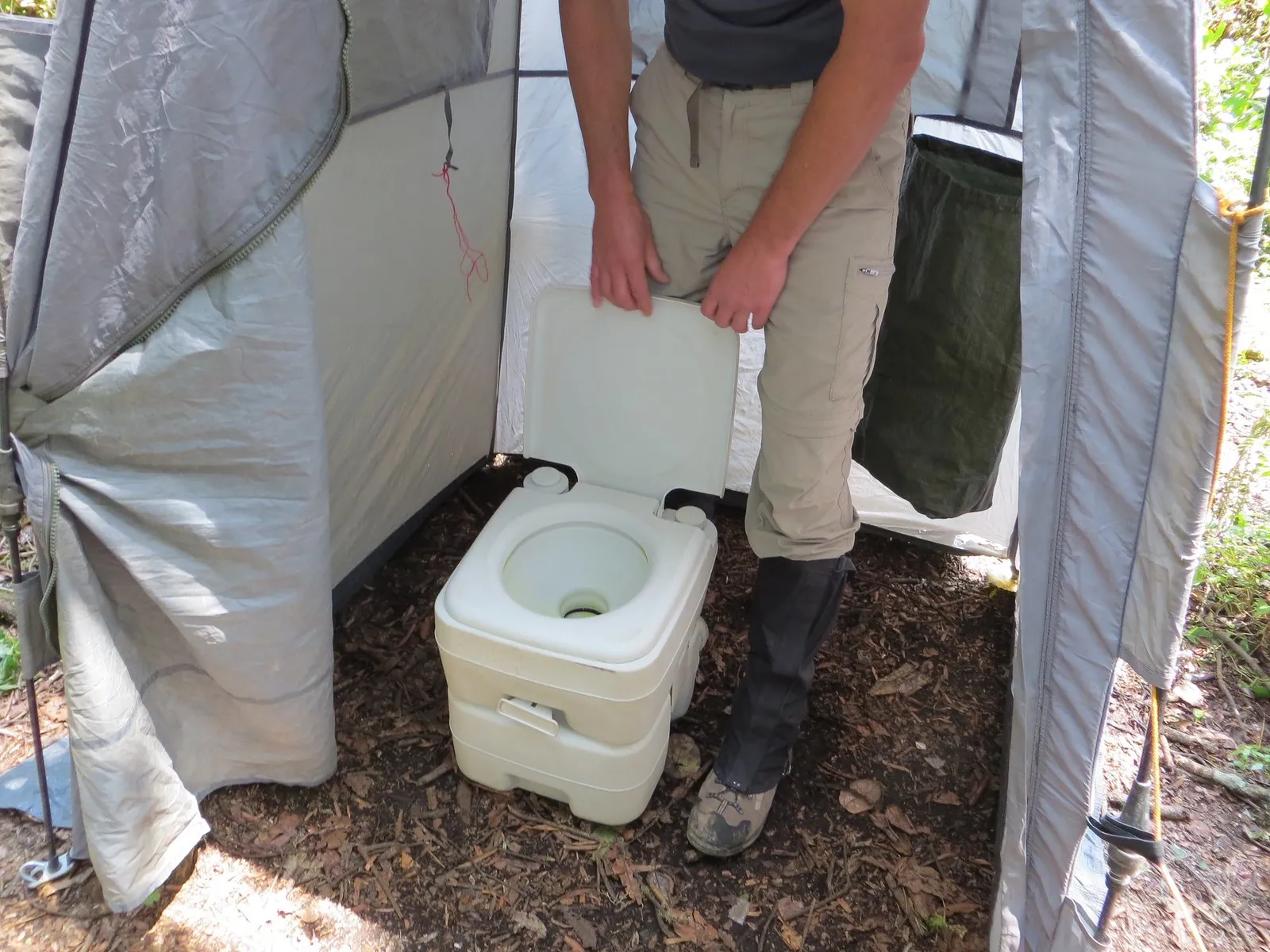
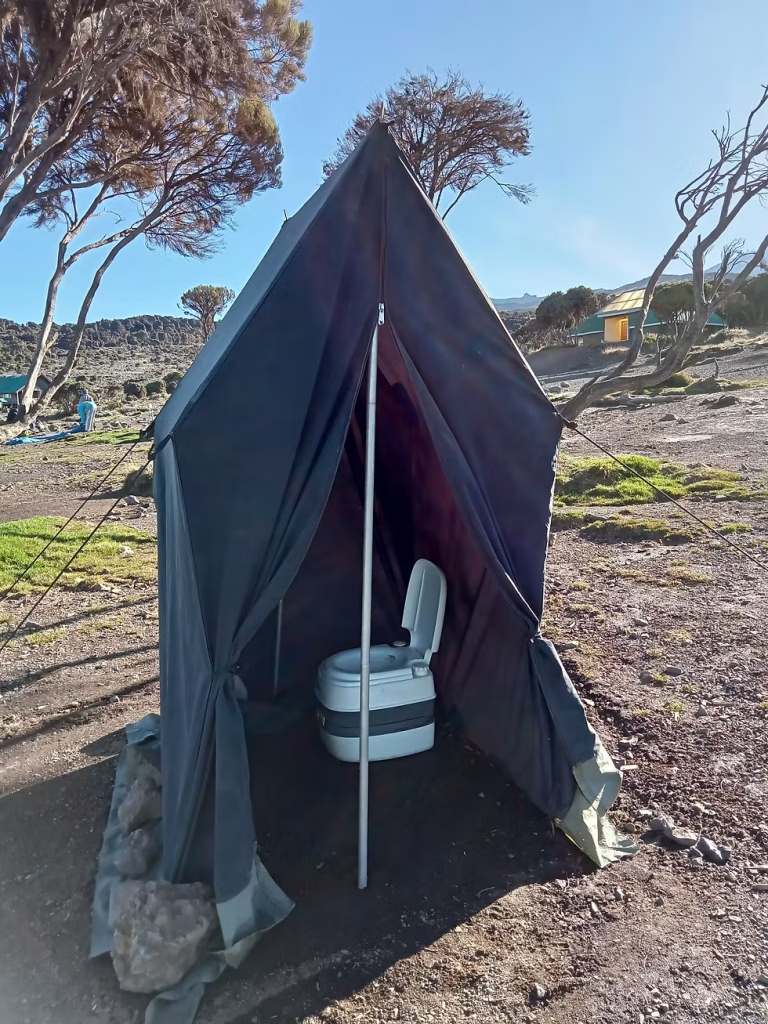
At Boko Explorers, we provide private portable toilets for added comfort and hygiene. However, even with improved facilities, accessing them at night means leaving your tent, putting on layers, and walking in freezing temperatures.
This is where a portable urinal bottle becomes helpful.
Why Do Climbers Use a Urinal Bottle?
At high altitude, your body requires constant hydration. Guides encourage drinking 3–4 liters of water daily to reduce altitude sickness risk.
Naturally, this means frequent urination — including during the night.
Leaving your warm sleeping bag when temperatures drop below freezing can be uncomfortable. On summit night, temperatures can reach -10°C or lower.
A urinal bottle allows you to:
Stay inside your tent, Avoid extreme cold exposure, Save energy, Reduce risk of slipping on icy ground, Sleep more comfortably
It is primarily about convenience and conserving energy at altitude.
Is It Necessary for Everyone?
No — it is optional.
Some climbers prefer walking to the toilet tent regardless of temperature. Others find the convenience invaluable, especially at higher camps such as Barafu Camp or Kibo Hut before summit night.
Women may use specially designed female urination devices (FUDs) that work with wide-mouth bottles.
Ultimately, it depends on your comfort level and personal preference.
When Is a Urinal Bottle Most Useful?
There are three situations where it becomes especially practical:
During very cold nights at high camps
On summit night before the midnight departure
If you are feeling unwell or fatigued from altitude
Summit night is physically demanding. Preserving energy for the long ascent to Uhuru Peak is important. Minimizing unnecessary movement helps conserve strength.
Hygiene and Safety Considerations
If you choose to bring a urinal bottle, proper hygiene is essential.
Use a clearly marked, leak-proof wide-mouth bottle.
Keep it separate from drinking bottles.
Seal it tightly after use.
Empty it in designated toilet facilities in the morning.
Sanitize hands after handling.
Never dispose of waste on the mountain. Kilimanjaro operates under strict Leave No Trace principles to protect the environment.
Responsible trekking ensures that future generations can enjoy this iconic peak.
Alternatives to a Urinal Bottle
If you prefer not to use one, you can:
Dress in warm, easy-to-remove layers at night
Keep a headlamp accessible
Wear insulated boots near your sleeping bag
Stay hydrated but manage intake before bedtime
Some climbers simply accept nighttime toilet trips as part of the adventure experience.
Why Climb with Boko Explorers?
Choosing a professional operator significantly improves your Kilimanjaro experience.
Boko Explorers provides:
Experienced and certified mountain guides
Private toilet tents for hygiene and comfort
Acclimatization-focused itineraries
High-quality camping equipment
Nutritious mountain meals
Dedicated porter and support teams
Comprehensive health monitoring
We prioritize safety, comfort, and responsible mountain practices to ensure your journey to the Roof of Africa is both successful and memorable. You do not need a portable urinal bottle to climb Mount Kilimanjaro but it can make your nights warmer, easier, and more comfortable. Kilimanjaro is about preparation, endurance, and smart decision-making. Small gear choices often have a big impact at 5,895 meters.
If you are preparing for your climb and want expert support every step of the way, Boko Explorers is ready to guide you from the first training hike to the sunrise at Uhuru Peak.