

Women Climbing Kilimanjaro Guide
Climbing Mount Kilimanjaro is an empowering and life-changing experience for women from all over the world. Standing at 5,895 meters, this iconic peak challenges both physical strength and mental resilience, but it is absolutely achievable for women of all ages and fitness levels with the right preparation and support.
Over the years, more women have taken on the challenge of reaching Uhuru Peak, proving that gender is no barrier to conquering Africa’s highest mountain. With proper planning, training, and guidance, women can successfully summit Kilimanjaro and enjoy one of the most rewarding adventures on Earth.
Is Kilimanjaro Safe for Women
Climbing Kilimanjaro is considered very safe for women, especially when trekking with a reputable and experienced tour operator. The mountain is located within Kilimanjaro National Park, which is well-managed and regulated to ensure the safety of climbers.
Treks are conducted in organized groups led by professional guides, porters, and support teams. Women often travel solo or in groups and feel comfortable throughout the journey due to the structured nature of the climb.
Choosing a trustworthy company with experienced guides and a strong safety record is one of the most important decisions for any climber.
Why Kilimanjaro Is Popular Among Women
Kilimanjaro is one of the few high mountains in the world that does not require technical climbing skills. This makes it accessible to women who may not have mountaineering experience but are ready for a physical challenge.
The mountain offers a supportive trekking environment where climbers move at a steady pace, allowing time for acclimatization and rest. Many women find the journey deeply empowering, as it pushes them beyond their comfort zones and builds confidence.
Reaching the summit is not just a physical achievement but also a powerful personal milestone.

Physical Preparation for Women
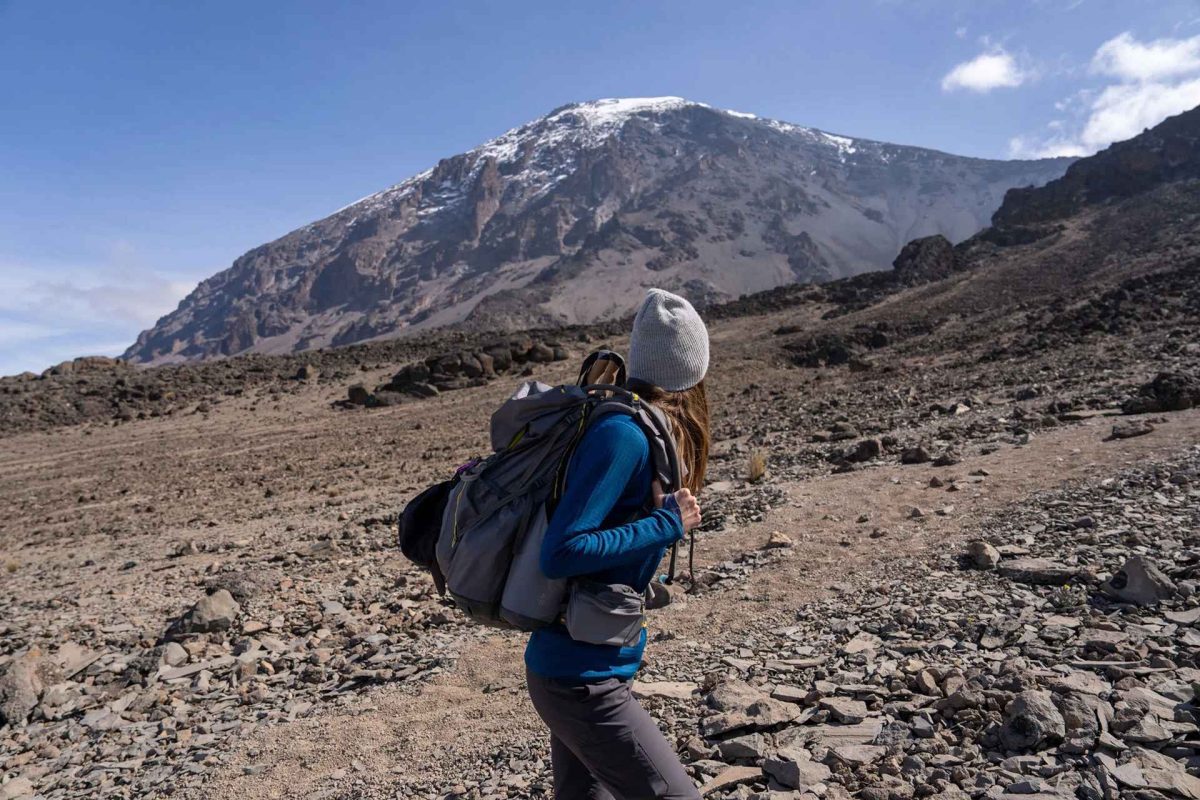
Training is essential for a successful Kilimanjaro climb. Women should focus on building endurance, strength, and cardiovascular fitness several weeks or months before the trek.
Activities such as hiking, jogging, cycling, and stair climbing are excellent ways to prepare. Practicing hikes with a backpack can also help simulate trekking conditions.
Strength training, especially for legs and core muscles, will improve stability and reduce fatigue during long hiking days.
Consistency is more important than intensity. A well-balanced training routine will make the climb more enjoyable and increase the chances of reaching the summit.
Altitude and Acclimatization
Altitude is the biggest challenge on Kilimanjaro, and it affects men and women equally. As climbers ascend, oxygen levels decrease, making it harder for the body to function.
Women should pay close attention to acclimatization by choosing longer routes such as the Lemosho Route or Northern Circuit, which allow more time for the body to adjust.
Symptoms of altitude sickness can include headaches, nausea, and fatigue. Staying hydrated, walking slowly, and communicating with guides are essential for managing altitude.
Many women find that pacing themselves and listening to their bodies are key to a successful climb.
Packing Tips for Women
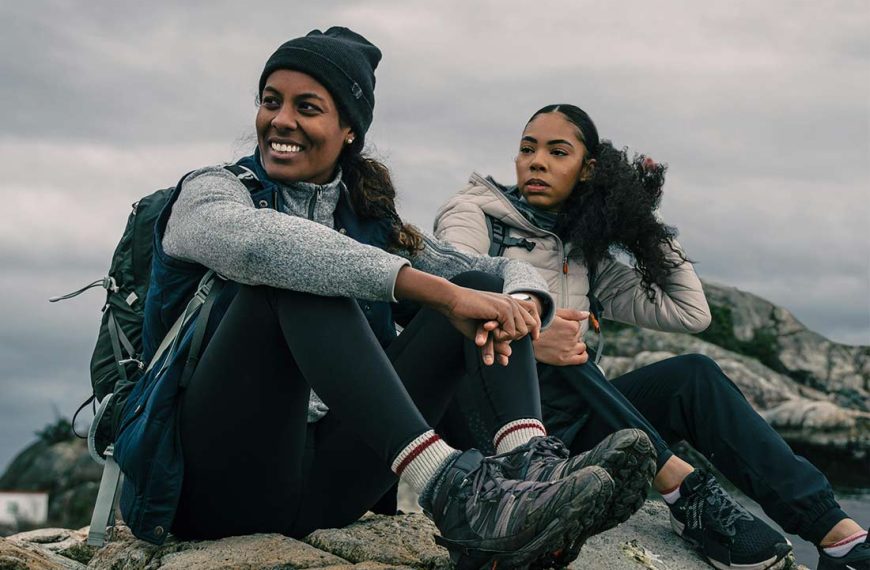
Packing the right gear is crucial for comfort and safety on the mountain. Women should focus on layering, as temperatures vary from warm at the base to freezing at the summit.
Important items include thermal base layers, a warm insulated jacket, waterproof clothing, gloves, and a hat. Proper hiking boots with good support are essential for long trekking days.
Women may also consider bringing personal hygiene products, wet wipes, and a small toiletry kit for convenience during the trek.
A comfortable sports bra and moisture-wicking clothing can make a significant difference in overall comfort.

Hygiene and Facilities on the Mountain
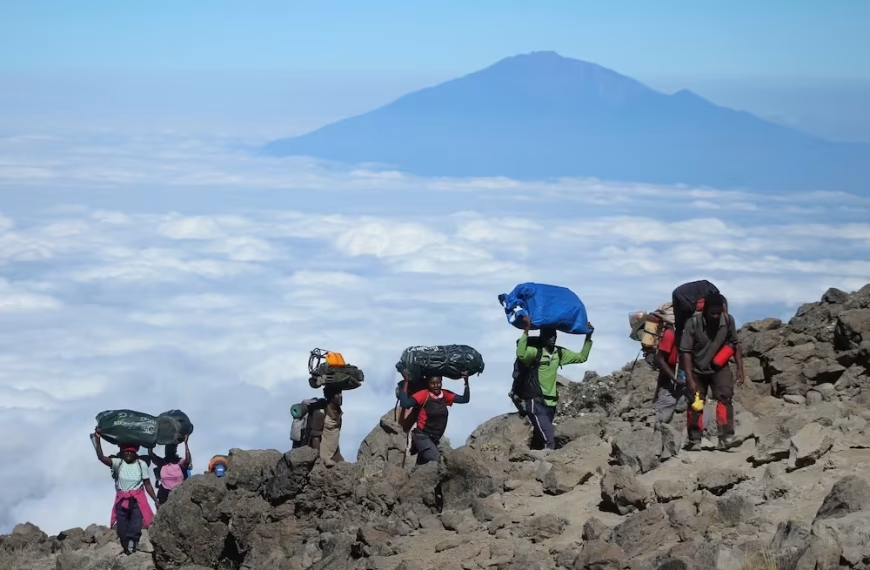
Hygiene is an important consideration for women climbing Kilimanjaro. Facilities vary depending on the route, but most treks include basic toilets at campsites.
Many tour operators provide portable toilets for added comfort. Wet wipes, hand sanitizer, and biodegradable soap are useful for maintaining hygiene during the climb.
For menstrual care, women can bring their preferred products and dispose of waste responsibly. Planning ahead ensures comfort and confidence throughout the trek.
Choosing the Right Route
Selecting the right route is one of the most important decisions for a successful climb. Some routes are better suited for beginners and offer higher success rates.
The Machame Route is popular for its scenic beauty and good acclimatization profile. The Rongai Route is quieter and less crowded, making it a great option for those seeking a more peaceful experience.
The Marangu Route offers hut accommodation, which some women prefer for added comfort.
Choosing a longer route generally increases the chances of reaching the summit successfully.
Mental Strength and Confidence
Climbing Kilimanjaro is as much a mental challenge as it is a physical one. Women often find that maintaining a positive mindset is key to overcoming difficult moments on the mountain.
The summit push, which begins at midnight, is particularly challenging. Staying focused, taking small steps, and encouraging fellow climbers can make a big difference.
Support from guides and teammates also plays an important role in boosting confidence and motivation.
Many women describe the experience as transformative, helping them discover inner strength and resilience.
Solo vs Group Climbing for Women
Women can choose to climb Kilimanjaro solo with a private guide or join a group trek. Both options have their advantages.
Group climbs provide a social environment and the opportunity to share the experience with other travelers. This can be especially motivating during challenging moments.
Private climbs offer flexibility and personalized attention, allowing women to set their own pace and schedule.
Both options are safe, and the choice depends on personal preference and travel style.
Combining Kilimanjaro with Other Adventures
Many women combine their Kilimanjaro climb with other experiences in Tanzania. Popular options include a wildlife safari in Serengeti National Park or exploring the stunning Ngorongoro Crater.
Another great option is trekking Mount Meru before Kilimanjaro to improve acclimatization and build confidence.
After the climb, relaxing on the beaches of Zanzibar is a perfect way to recover and celebrate the achievement.
Why Choose Boko Explorers for Women Climbers
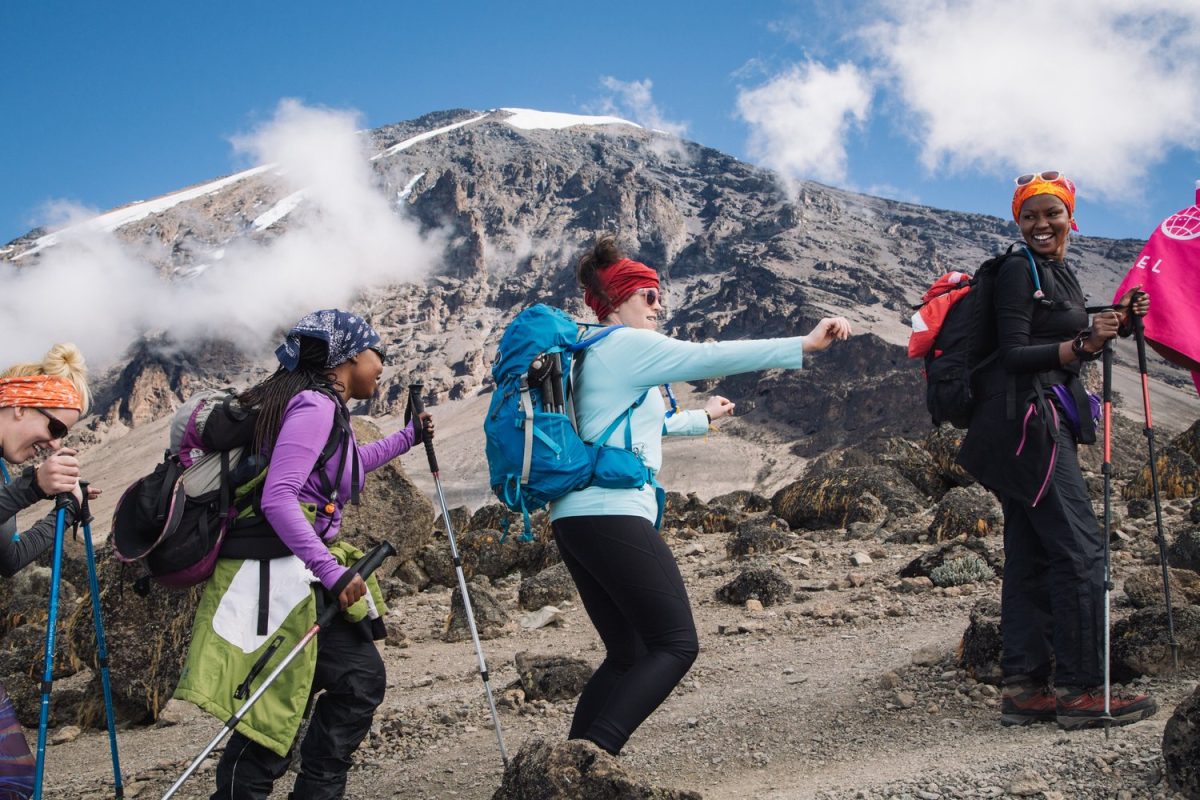
Boko Explorers offers supportive and well-organized Kilimanjaro climbs tailored to the needs of women travelers. Our experienced guides understand the challenges of high-altitude trekking and provide personalized support throughout the journey.
We ensure safety, comfort, and proper acclimatization while creating a positive and encouraging environment for all climbers.
Women traveling with Boko Explorers can feel confident knowing they are supported every step of the way.
Climbing Mount Kilimanjaro is an incredible achievement for any woman seeking adventure, challenge, and personal growth. It is a journey that tests your limits while rewarding you with breathtaking landscapes and unforgettable memories.
With the right preparation, mindset, and support, women can successfully reach the summit and experience the pride of standing on the highest point in Africa.
Whether you are traveling solo or with friends, Kilimanjaro offers an empowering adventure that will stay with you for a lifetime.