

Where to See Migration in Serengeti National Park
The Serengeti Great Migration is one of the most spectacular wildlife events on Earth. Every year, more than two million wildebeest, zebras, and gazelles move across the vast plains of northern Tanzania and southern Kenya in search of fresh grazing and water. This incredible journey is known as the Great Migration and is one of the main reasons travelers visit Serengeti National Park.
The migration is not a single event but a continuous circular movement through the Serengeti ecosystem. The animals move through different regions of the park throughout the year depending on rainfall and grass conditions. Because of this natural movement, the best place to see the migration changes depending on the season.
Understanding where to see migration in Serengeti National Park helps travelers plan their safari at the right time and location. From dramatic river crossings to calving season on the southern plains, every stage of the migration offers unforgettable wildlife experiences.
Understanding the Serengeti Great Migration
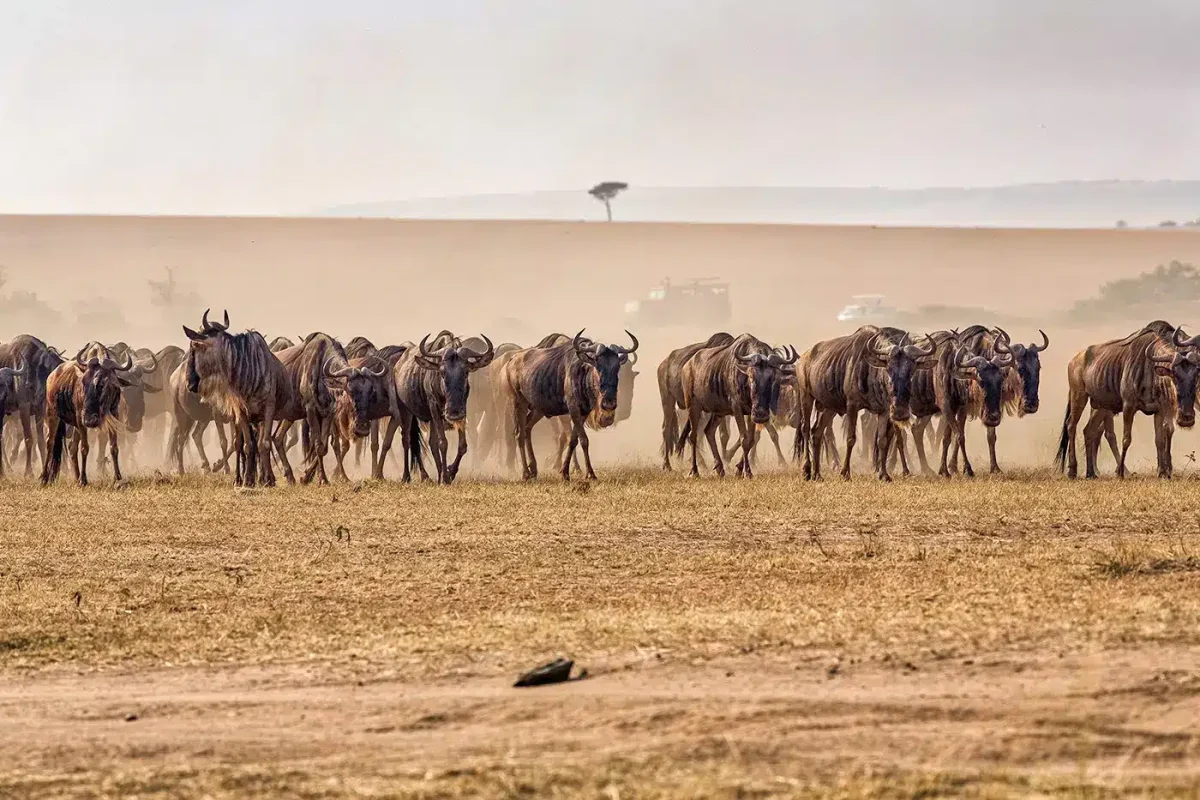
The Serengeti Great Migration involves one of the largest movements of wildlife on the planet. Each year, approximately two million animals migrate across the Serengeti ecosystem following seasonal rains and fresh grass.
The migration mainly consists of wildebeest, accompanied by large numbers of zebras and Thomson’s gazelles. These animals travel hundreds of kilometers across the savannah in search of better grazing conditions.
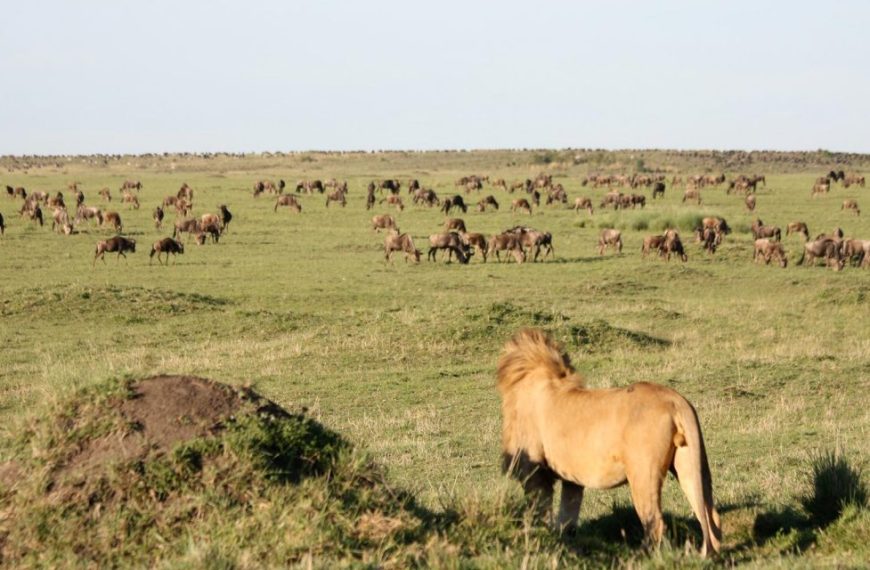
As the herds move across the plains, they attract predators such as lions, cheetahs, leopards, and hyenas. This creates dramatic wildlife encounters and exciting safari experiences for visitors.
Because the migration is constantly moving, different areas of Serengeti National Park provide the best viewing opportunities at different times of the year.

Southern Serengeti and Ndutu (Calving Season)
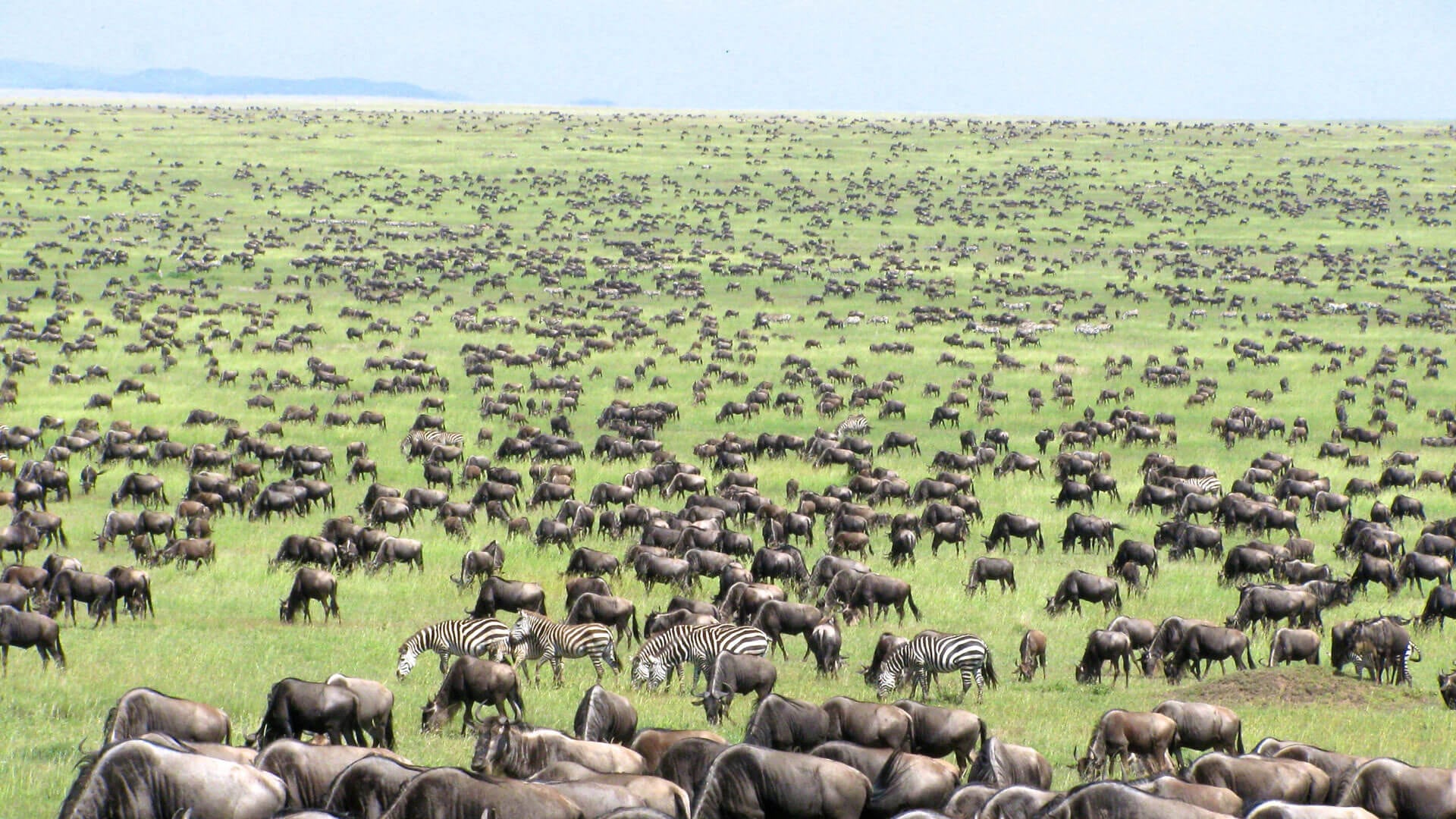
One of the most fascinating times to see the migration occurs between January and March in the southern Serengeti plains and the nearby Ndutu Region.
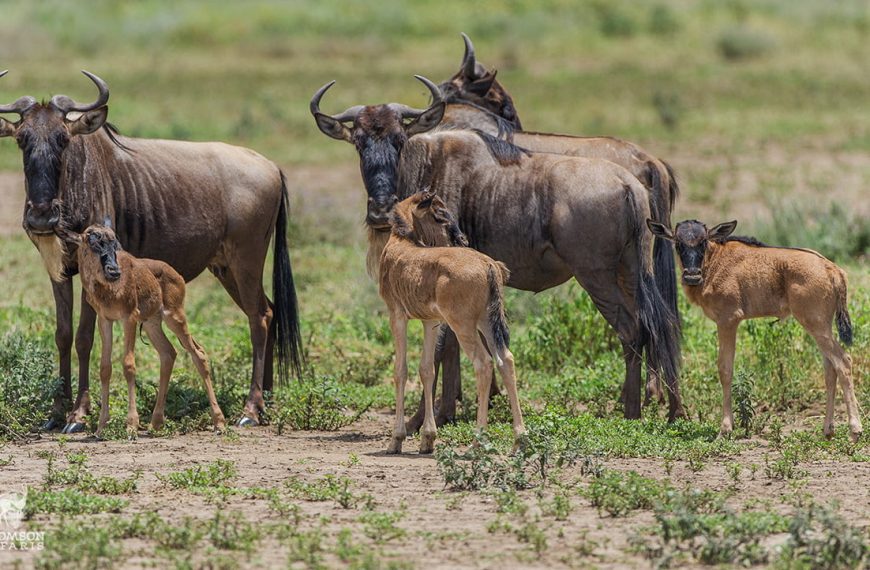
During this time, thousands of wildebeest give birth to their calves across the open grasslands. The short grass plains provide ideal conditions for newborn animals because predators can be easily spotted in the distance.
It is estimated that more than 500,000 wildebeest calves are born within a few weeks during the calving season. This incredible wildlife event attracts many predators, making it one of the most exciting times to visit the Serengeti.
Travelers visiting during this period may witness dramatic predator-prey interactions as lions, cheetahs, and hyenas hunt among the newborn herds.
Central Serengeti (Seronera Region)
Between April and June, many of the migration herds move north toward the central region of Serengeti National Park, particularly around the Seronera Valley.
The Seronera region is known for its year-round wildlife activity and large populations of predators. As the migration passes through this area, visitors often witness predators following the herds closely.
The central Serengeti features beautiful savannah landscapes dotted with rocky kopjes that serve as resting spots for lions and other predators.
Although the herds may be spread out during this period, the combination of resident wildlife and migrating animals creates excellent safari opportunities.

Western Corridor and Grumeti River Crossings
Between May and July, the migration moves toward the western corridor of the Serengeti near the Grumeti River.
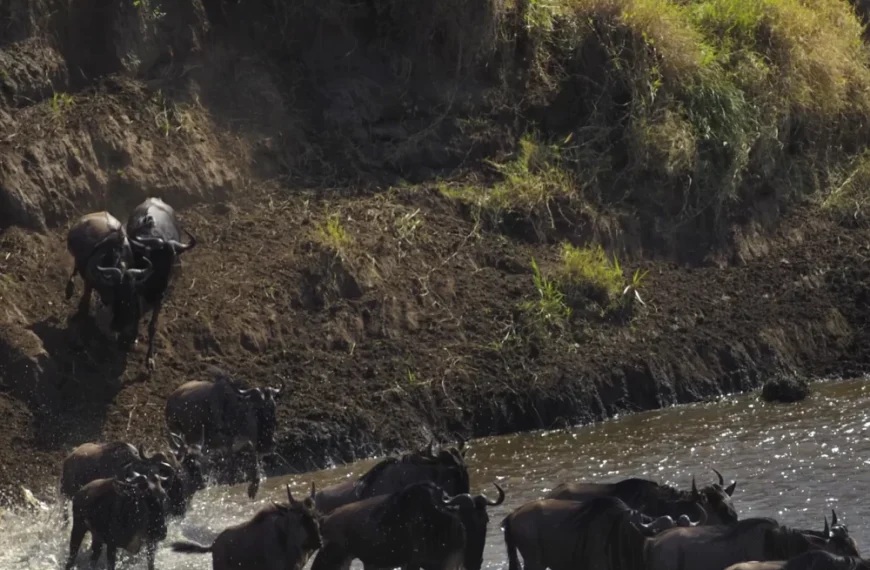
This area is famous for dramatic river crossings where thousands of wildebeest attempt to cross the river while avoiding strong currents and large Nile crocodiles.
The crossings at the Grumeti River are among the most thrilling wildlife spectacles during the migration. Herds gather along the riverbanks before suddenly rushing into the water in massive groups.
These crossings often involve intense predator interactions as crocodiles wait beneath the surface for opportunities to attack.
Northern Serengeti and Mara River Crossings
From July to October, the migration reaches the northern part of Serengeti National Park near the famous Mara River.
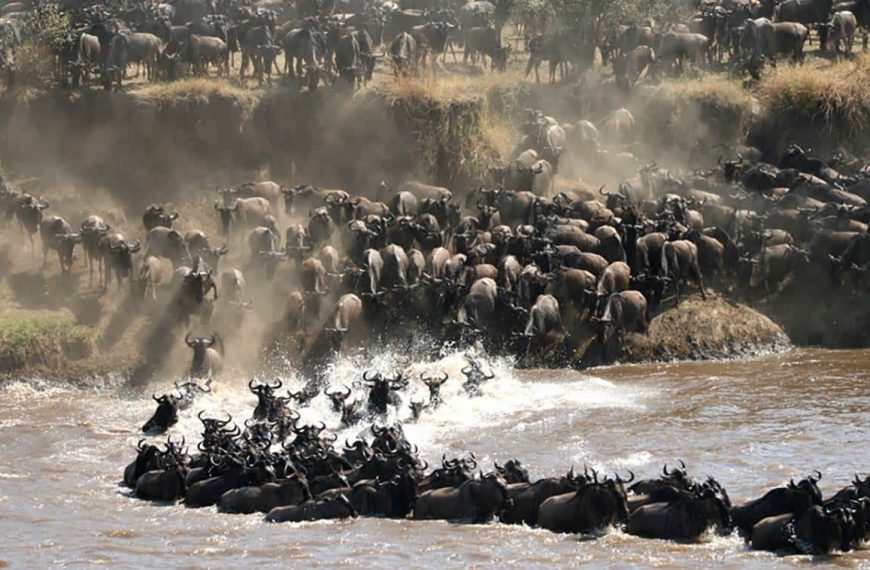
This is one of the most famous and dramatic stages of the migration. The Mara River crossings are widely regarded as one of the greatest wildlife spectacles in Africa.
Thousands of wildebeest gather along the steep riverbanks before plunging into the river in chaotic waves. The crossings are dangerous because of strong currents, steep banks, and hungry crocodiles waiting below.
Visitors who witness a Mara River crossing often describe it as one of the most unforgettable moments of their safari.
Return to the Southern Plains
After reaching the northern Serengeti and crossing into the Maasai Mara region of Kenya, the herds eventually begin their journey back toward the southern Serengeti.
Between November and December, the migration gradually moves south as seasonal rains begin in the Serengeti plains. Fresh grass grows across the southern region, attracting the animals back to the calving grounds.
This continuous circular movement completes the migration cycle before the calving season begins again early in the year.
Because the migration follows rainfall patterns, the exact timing and locations may vary slightly each year.
Best Time to See the Serengeti Migration
The Great Migration can be seen throughout the year in different parts of the Serengeti ecosystem. However, certain months provide especially dramatic wildlife experiences.
January to March is the best time to see calving season in the southern Serengeti and Ndutu region.
June to July offers excellent opportunities to witness the Grumeti River crossings in the western corridor.
July to October is the best time to see the famous Mara River crossings in northern Serengeti.
Each season provides unique wildlife viewing opportunities, making the Serengeti a year-round safari destination.
Planning a Serengeti Migration Safari
Planning a safari to see the migration requires careful timing and choosing the right region of the park based on the season.
Many safari itineraries include several different areas of Serengeti National Park to maximize the chances of seeing migration herds.
Travelers often combine Serengeti safaris with visits to nearby destinations such as Ngorongoro Crater and Tarangire National Park to experience a wider variety of wildlife and landscapes.
Working with experienced safari guides greatly increases the chances of locating migration herds and witnessing unforgettable wildlife moments.

Why Choose Boko Explorers for a Migration Safari
Boko Explorers specializes in organizing unforgettable migration safaris across Serengeti National Park. Our experienced safari guides closely track the movement of the migration throughout the year, allowing guests to visit the best locations for wildlife viewing.
Travelers can enjoy comfortable safari vehicles, well-planned itineraries, and expert guiding while exploring the incredible landscapes of the Serengeti.
With Boko Explorers, guests have the opportunity to witness the Great Migration up close while enjoying one of the most spectacular wildlife experiences on Earth.
The Great Migration is one of the most extraordinary wildlife spectacles in the world. From the calving season in the southern Serengeti to the dramatic Mara River crossings in the north, each stage of the migration offers a unique and unforgettable safari experience.
Understanding where to see migration in Serengeti National Park helps travelers plan the perfect safari and witness this incredible natural phenomenon.
With expert planning and guidance from Boko Explorers, visitors can explore the Serengeti ecosystem and experience the breathtaking power and beauty of the Great Migration in Tanzania.