

What I Wish I Knew Before Visiting Tanzania for Safari
A Tanzania safari is one of the most extraordinary wildlife experiences in the world. From vast savannahs to dramatic volcanic craters, the country offers unmatched biodiversity and unforgettable landscapes.
Before visiting Tanzania, many travelers imagine endless wildlife sightings and luxury lodges and while that’s true, there are important things I wish I had known before my first safari.
If you’re planning your trip to iconic destinations like Serengeti National Park, Ngorongoro Crater, and Tarangire National Park, this guide will help you prepare properly and travel smarter.
Tanzania Is Vast — Distances Matter
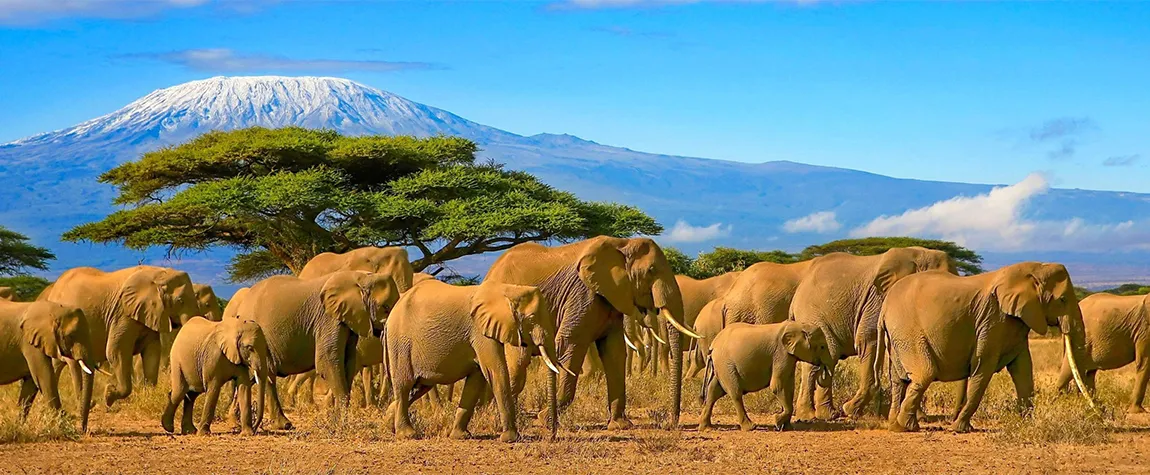
One of the biggest surprises is how large Tanzania is. Safari parks are spread across different regions, and travel time between them can take several hours by road.
For example:
Serengeti to Ngorongoro: ~3–4 hours drive
Tarangire to Serengeti: 5–6 hours depending on route
Some itineraries include small bush flights to save time
Understanding distances helps you plan realistic itineraries and avoid fatigue.

The Best Time to Visit Tanzania Depends on Your Goals
I wish I had known that safari experiences change significantly depending on the season.
Dry Season (June – October)
Easier wildlife spotting
Fewer mosquitoes
Peak tourism season
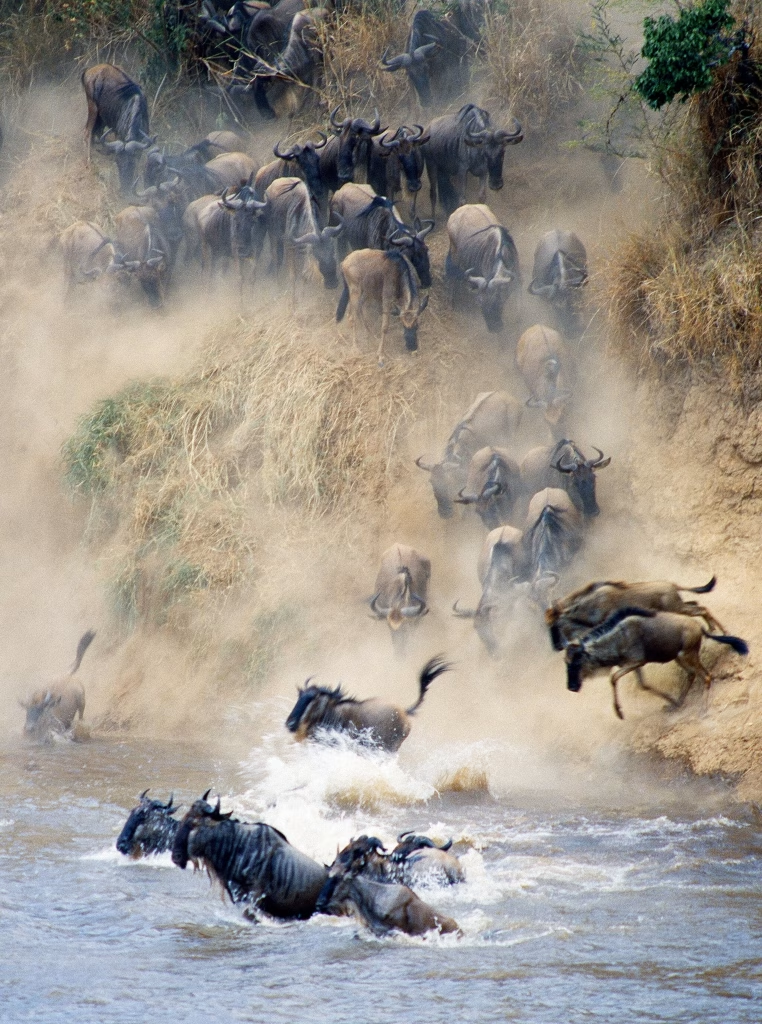
Best time for river crossings in northern Serengeti
Green Season (November – May)
Lush landscapes
Fewer crowds
Calving season (January–March) in southern Serengeti
Excellent birdwatching
The Great Migration moves year-round across the Serengeti ecosystem, so choosing the right month depends on what you want to see.

Safari Game Drives Start Very Early
Safari mornings begin before sunrise usually around 5:30–6:00 AM.
Wildlife is most active during cooler hours. Lions hunt at dawn, leopards return from night activity, and elephants begin feeding early.
Afternoon game drives typically start around 3:30 PM and continue until sunset.
What I wish I knew: Sleep schedules shift quickly but the golden light and wildlife action make early mornings worthwhile.
Wildlife Sightings Require Patience
A safari in Tanzania is an authentic wilderness experience. Animals roam freely, and sightings are never staged.
Even in wildlife-rich areas like the Ngorongoro Crater, patience is key. Sometimes you may drive for 30 minutes before seeing major animals — and then suddenly encounter a lion pride or cheetah hunt.
Trust your guide’s tracking skills. Professional safari guides understand animal behavior, movement patterns, and seasonal shifts.
The Ngorongoro Crater Is Unique
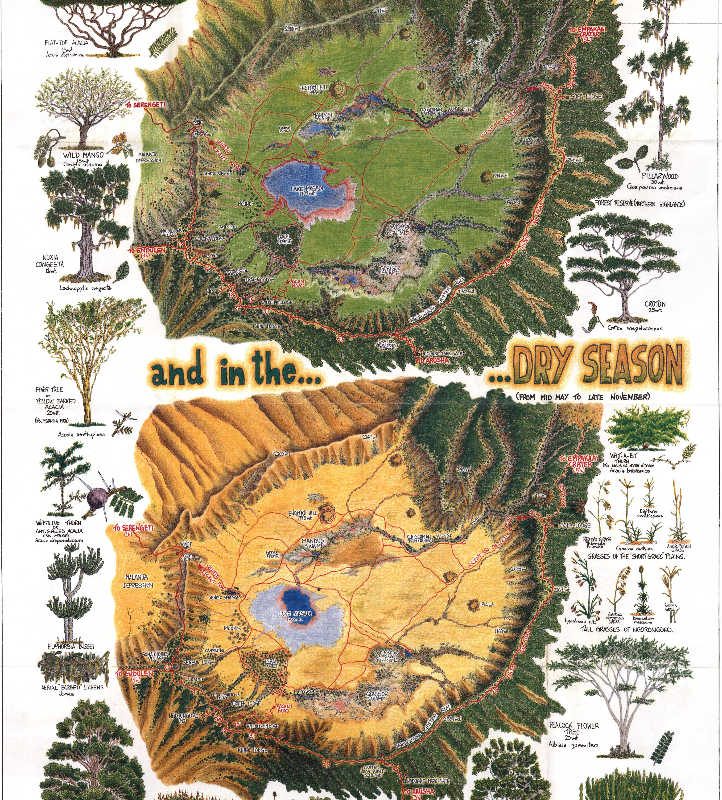
Descending into the Ngorongoro Crater feels like entering a natural amphitheater of wildlife.
This UNESCO World Heritage Site is home to:
Black rhinos
Lions
Elephants
Flamingos
Buffalo
Hyenas
Because wildlife remains within the crater walls year-round, game viewing is consistently excellent.

Tarangire Is the Hidden Gem
Many first-time travelers focus on the Serengeti but overlook Tarangire.
Tarangire National Park is famous for:
Massive elephant herds
Ancient baobab trees
Seasonal river wildlife concentrations
During the dry season, animals gather near the Tarangire River, offering spectacular viewing opportunities without heavy crowds.
Packing Smart Makes a Big Difference
I wish I had packed more strategically.
Essential safari packing items include:
Neutral-colored clothing (khaki, olive, beige)
Light layers for temperature changes
Sunglasses and hat
Sunscreen
Binoculars
Power bank and spare batteries
Avoid bright colors that may disturb wildlife.
Soft-sided luggage is recommended for bush flights.
Safari Is Comfortable — But Still Wild
Luxury safari lodges provide:
Comfortable beds
Hot showers
Excellent meals
Stunning views
However, you are staying inside wildlife areas. It’s normal to hear lions roaring at night or hyenas calling in the distance.
This is not dangerous, it’s part of the immersive experience.
Tipping Culture in Tanzania
Tipping is customary in Tanzania’s safari industry.
Typical tipping guidelines:
Safari guide: $20–30 per day per group
Lodge staff: $10–15 per day shared
Camp staff: communal tip boxes often available
Budgeting tips in advance avoids confusion at the end of your trip.
Combining Safari with Zanzibar Is Ideal
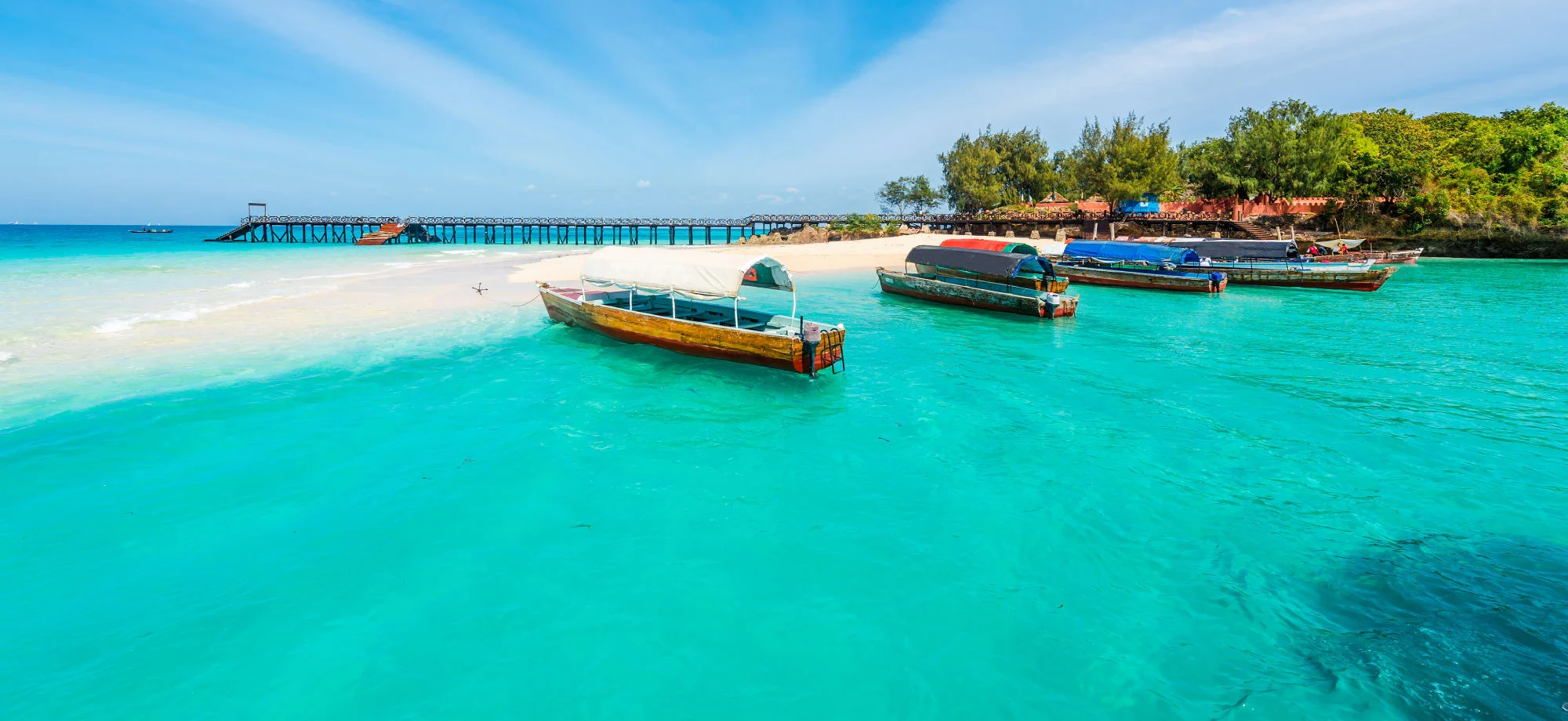
After days of early mornings and game drives, relaxing in Zanzibar City or along Zanzibar’s beaches is the perfect finale.
A classic Tanzania itinerary often includes:
4–6 days safari
3–5 days Zanzibar beach stay
This combination blends wildlife adventure with tropical relaxation.

Health and Safety Considerations
Before visiting Tanzania for safari, consider:
Travel insurance
Recommended vaccinations
Anti-malarial guidance (consult your doctor)
Staying hydrated during game drives
Professional safari operators prioritize safety, experienced drivers, and well-maintained vehicles.
Your Safari Guide Is Everything
The quality of your guide determines:
How many animals you see
How close you get
What you learn
How safe you feel
An expert guide understands tracking, photography positioning, and wildlife conservation.
Choosing a reputable operator ensures a knowledgeable and certified safari team.

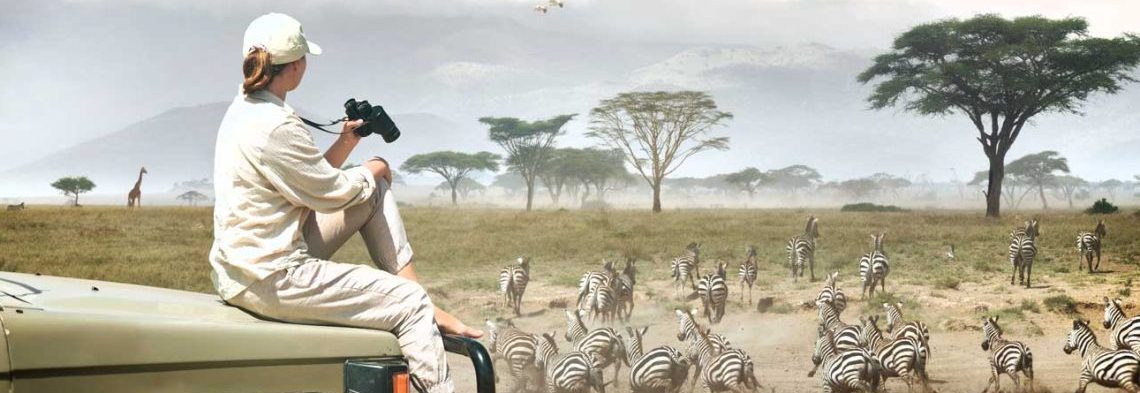
Why Choose Boko Explorers for Your Tanzania Safari?
At Boko Explorers, we help travelers avoid common first-time safari mistakes.
We provide:
Expert local safari guides
Seasonally optimized itineraries
Migration tracking knowledge
Comfortable 4×4 safari vehicles
Carefully selected lodges and tented camps
Seamless travel logistics
Our experience ensures you arrive informed, prepared, and confident.
What do most travelers wish they knew before visiting Tanzania for safari?
That it requires preparation.
That early mornings are essential.
That the right season matters.
That patience enhances the experience.
And that choosing the right guide changes everything.
A Tanzania safari is more than a vacation it’s an immersion into one of Earth’s most spectacular wildlife ecosystems.
With proper planning and expert guidance, your journey through the Serengeti plains and the Ngorongoro highlands will become a story you tell for a lifetime.