

How Safe Is It to Climb Mount Kilimanjaro?
Climbing Mount Kilimanjaro is a dream for many adventure travelers. As Africa’s highest peak at 5,895 meters (19,341 feet), it attracts thousands of climbers every year from around the world.
But one important question often arises before booking:
How safe is it to climb Kilimanjaro?
The honest answer: Kilimanjaro is considered safe for well-prepared climbers who choose a reputable operator and follow proper acclimatization schedules. However, like any high-altitude mountain, it carries risks that must be understood and managed responsibly. This guide explains the real safety factors involved and how you can minimize risk while maximizing your summit success.
Is Kilimanjaro a Dangerous Mountain?
Kilimanjaro is not a technical climb. It does not require ropes, harnesses, or mountaineering skills. It is classified as a high-altitude trek. However, “non-technical” does not mean “risk-free.” The primary risk on Kilimanjaro is altitude sickness — not falling, avalanches, or extreme climbing hazards. Most incidents occur due to poor acclimatization, rushing the ascent, or inadequate medical monitoring. With professional guides and proper pacing, serious incidents are rare.
The Biggest Safety Concern: Altitude Sickness
Altitude sickness is the most significant safety factor on Kilimanjaro. As you ascend, oxygen levels decrease. At the summit, there is roughly 50% less oxygen than at sea level. Your body must adjust gradually.
Mild symptoms may include:
Headaches, Fatigue, Loss of appetite, Nausea, Dizziness, Sleep disturbances
In rare cases, severe altitude illnesses such as HAPE (High Altitude Pulmonary Edema) or HACE (High Altitude Cerebral Edema) can occur.
This is why slow ascent, proper hydration, and professional monitoring are critical.

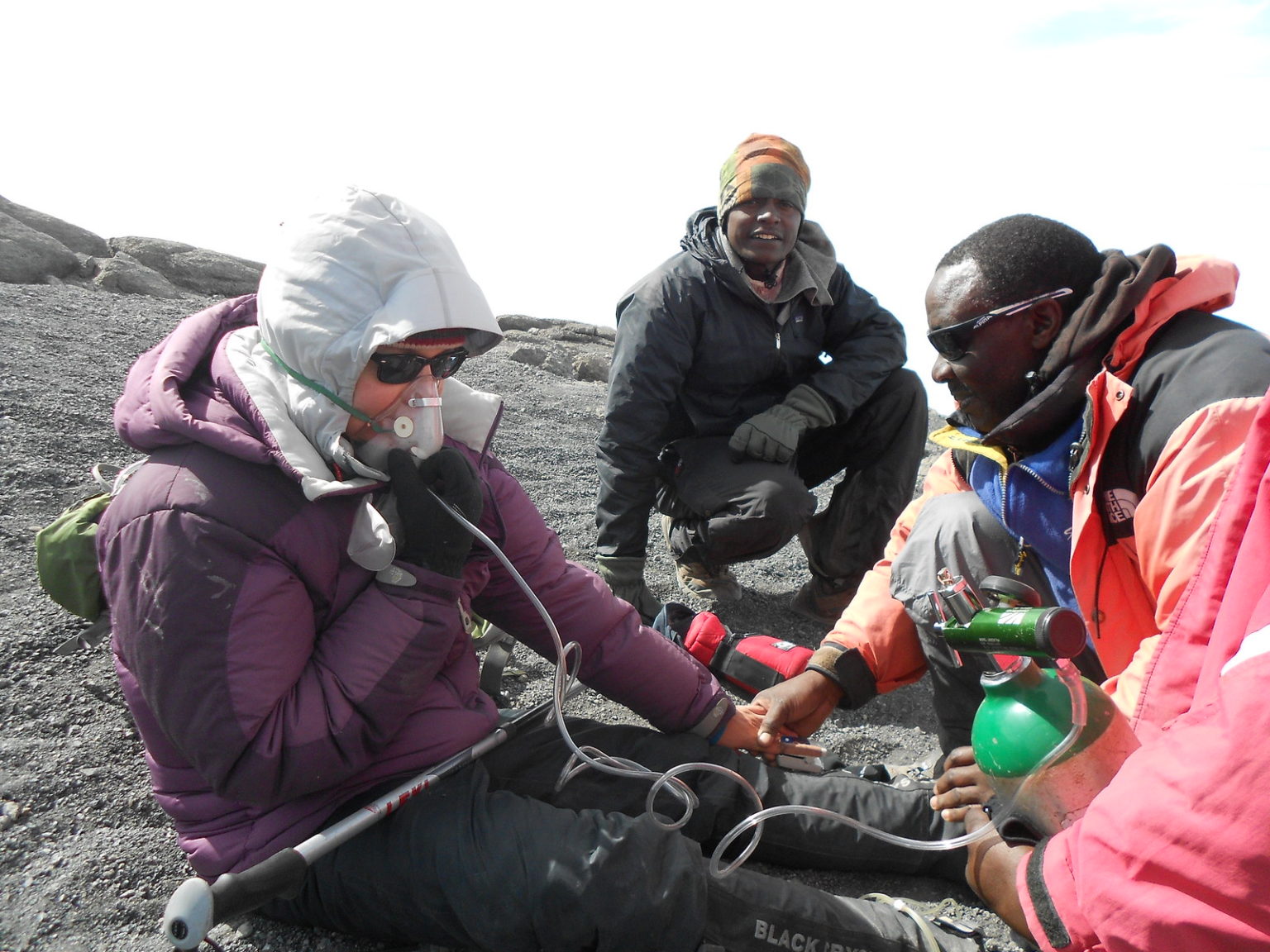
How Guides Keep You Safe
A professional Kilimanjaro operator plays the biggest role in your safety. At Boko Explorers, our mountain crews are trained in:
Altitude illness recognition
Emergency evacuation procedures
Wilderness first aid
Daily health monitoring
Oxygen level checks using pulse oximeters
Guides perform regular health assessments, including checking oxygen saturation and asking about symptoms. If a climber shows signs of serious altitude illness, immediate descent is the safest and most effective treatment. The mountain always allows descent and that is a major safety advantage compared to remote peaks worldwide.
Does Route Choice Affect Safety?
Yes, route selection significantly impacts safety and success rates.
Short 5-day routes increase altitude risk because the body does not have enough time to acclimatize.
Longer routes such as 7–9 day itineraries allow gradual ascent and significantly improve safety and summit success.
Routes like Lemosho, Rongai, and the Northern Circuit are known for better acclimatization profiles.
Choosing the right itinerary reduces stress on your body and improves overall comfort.

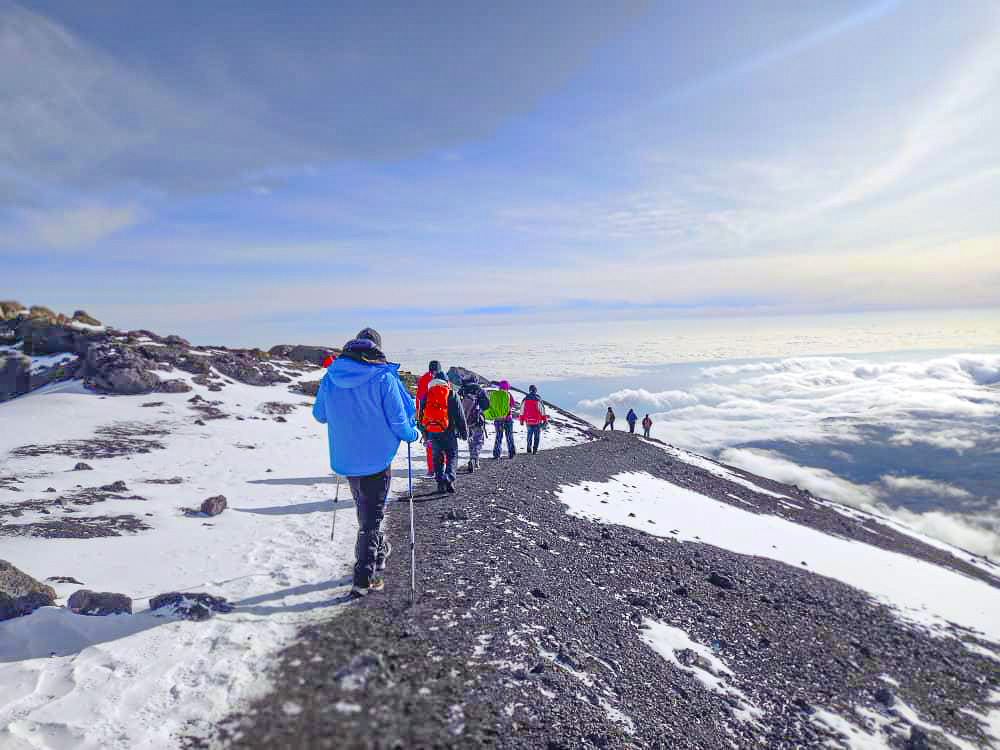
Weather and Environmental Safety
Kilimanjaro weather varies by altitude zone.
Lower slopes can be warm and humid. Higher zones are cold and windy. Summit night temperatures often drop below -10°C.
Proper clothing and layering are essential to prevent hypothermia or frostbite. Rainy season climbs require waterproof gear, while dry season climbs demand strong sun protection.
Unlike highly technical mountains, Kilimanjaro does not involve avalanche zones or vertical climbing risks, making environmental hazards relatively manageable.
What About Emergency Evacuation?
Kilimanjaro National Park has established evacuation procedures.
In case of emergency:
Climbers can descend on foot with guide support.
Stretcher evacuation is available at most camps.
Helicopter evacuation is possible in severe cases (with proper insurance).
Having comprehensive travel insurance that covers high-altitude trekking is strongly recommended.
Quick descent is the most effective treatment for altitude-related issues and descent is always possible on Kilimanjaro.

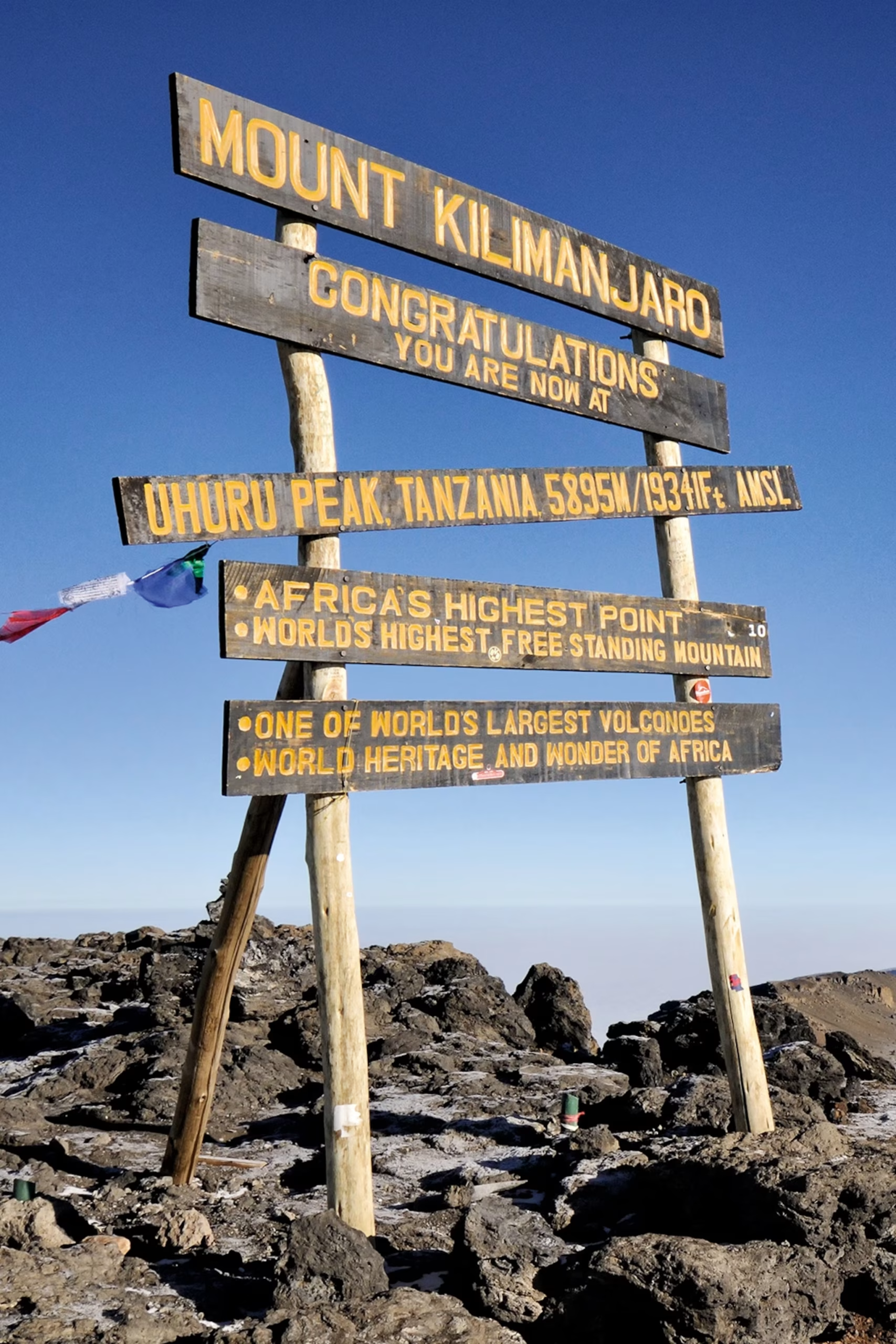
Is Kilimanjaro Safe for Beginners?
Yes, many first-time trekkers successfully climb Kilimanjaro each year.
You do not need mountaineering experience. However, you should:
Be in good general health
Train physically before the climb
Follow guide instructions carefully
Stay hydrated
Maintain a slow pace (“pole pole”)
Fitness improves comfort, but acclimatization and pacing matter more than athletic ability.
How Safe Is Summit Night?
Summit night is the most demanding part of the climb.
You begin around midnight in freezing temperatures and ascend slowly for 6–8 hours to Uhuru Peak.
While physically challenging, summit night is safe when:
You are properly acclimatized
You are guided by experienced professionals
You listen to your body
You maintain steady pacing
Guides carefully monitor climbers during this stage and will not allow unsafe continuation if symptoms become severe.

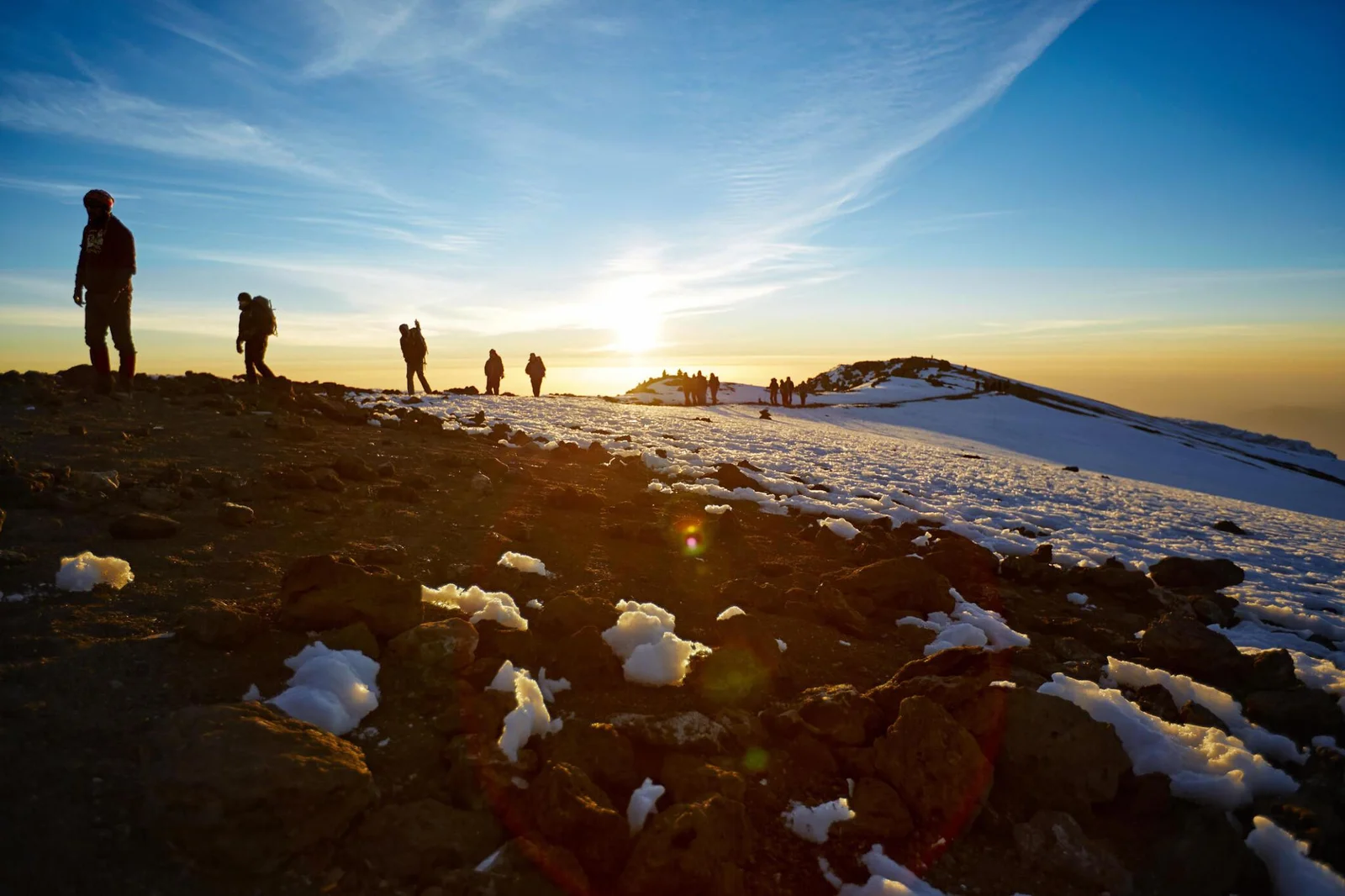
Kilimanjaro Safety Statistics
Thousands of climbers reach the summit every year. Serious incidents are rare compared to the total number of climbers. Most problems occur due to:
Choosing very short itineraries
Ignoring altitude symptoms
Climbing without professional operators
When climbed responsibly, Kilimanjaro has a strong safety record among high-altitude trekking destinations.
How to Increase Your Safety on Kilimanjaro
You can dramatically improve safety by:
Choosing a longer 7–9 day route, Booking with a reputable operator
Training 8–12 weeks before departure, Staying hydrated (3–4 liters daily), Eating properly even when appetite decreases, Communicating openly about symptoms, Having appropriate travel insurance, Preparation reduces risk more than any other factor.
Why Climb Kilimanjaro with Boko Explorers?
Your safety should never be compromised.
Boko Explorers provides:
Certified and experienced mountain guides
Daily medical monitoring
Pulse oximeter oxygen checks
Emergency oxygen supply
Acclimatization-focused itineraries
High-quality camping equipment
Private toilet facilities for hygiene
Comprehensive safety briefings
We prioritize safe pacing over speed. Our philosophy is simple: reaching the summit means nothing without returning safely.
So, how safe is it to climb Mount Kilimanjaro?
It is safe when approached with respect, preparation, and professional support. Kilimanjaro is challenging, but it is not reckless. With proper acclimatization, experienced guides, and responsible decision-making, it becomes an achievable and life-changing adventure.
If you are considering climbing Africa’s highest peak, Boko Explorers is ready to guide you safely — step by step — all the way to Uhuru Peak and back down again.