

What Is the Daily Routine on Mount Kilimanjaro?
Climbing Mount Kilimanjaro is not just about reaching the summit, it is about embracing a structured, carefully paced journey designed for safety, acclimatization, and success. Many climbers preparing for this adventure ask:
What does a typical day on Kilimanjaro actually look like?
Understanding the daily routine helps reduce anxiety, improve preparation, and set realistic expectations. While routes and weather may vary, the rhythm of each day on the mountain follows a well-organized pattern.
This guide walks you through what to expect from sunrise to sunset and everything in between.
Early Morning: Wake-Up Call on the Mountain
Your day typically begins around 6:30 or 7:00 AM.
A gentle wake-up call from your guide or camp crew is often followed by a warm cup of tea, coffee, or hot chocolate delivered to your tent. Temperatures vary depending on altitude lower camps may feel mild, while higher camps can be freezing. After freshening up, you head to the dining tent for breakfast.
Breakfast usually includes: Porridge, Eggs, Toast, Fruit, Sausages or pancakes, Tea, coffee, or hot chocolate. Nutrition is critical at altitude. Even if your appetite decreases, eating properly supports acclimatization and energy levels.
Morning Health Check and Briefing
Before setting off, guides conduct a daily health check.
This includes:
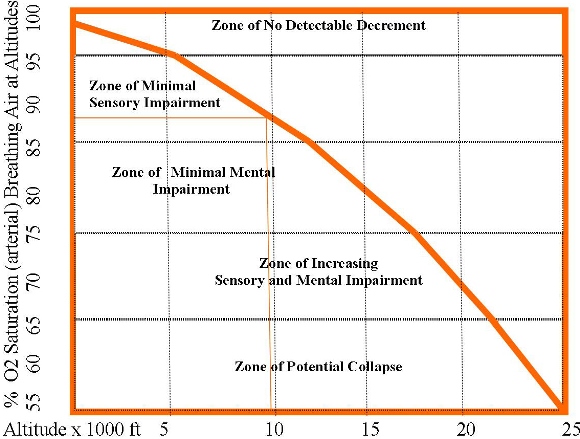
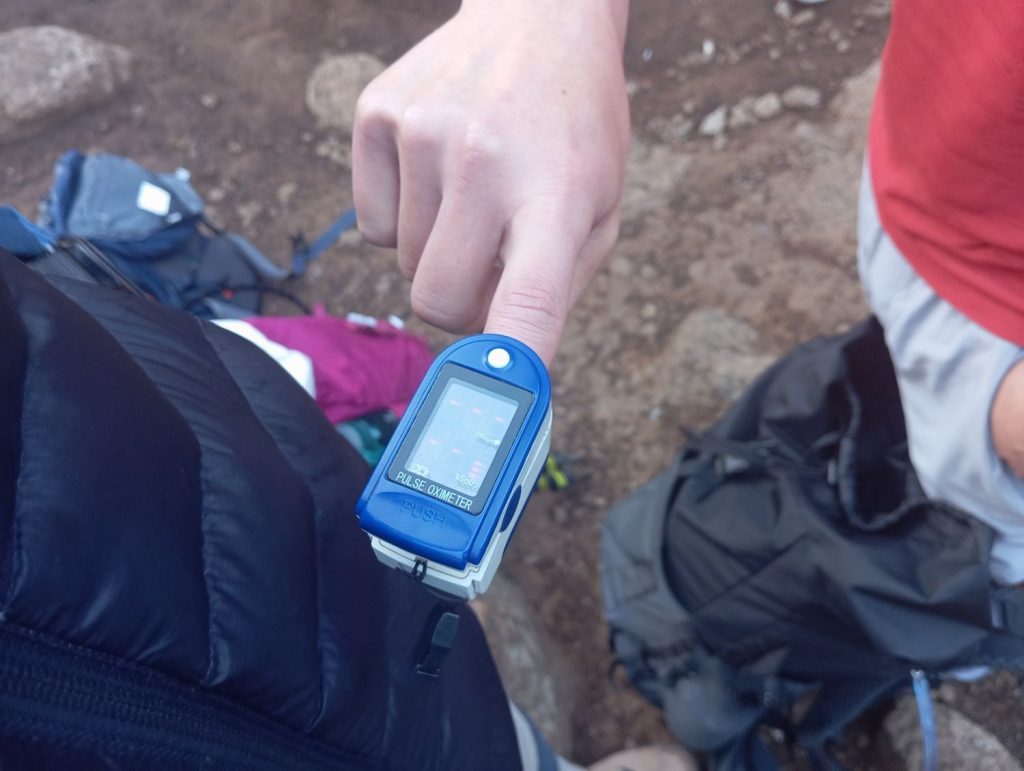
- Oxygen saturation measurement using a pulse oximeter
- Heart rate monitoring
- Symptom discussion
- Hydration reminders
Your lead guide will also brief the group on:
- Distance to the next camp
- Estimated hiking hours
- Terrain type
- Weather expectations
- Acclimatization strategy
This structured routine ensures safety and mental preparation for the day ahead.


Hiking Time: “Pole Pole” Pace
Most trekking days begin between 8:00 and 9:00 AM.
The pace is intentionally slow known locally as “pole pole” (slowly, slowly). This controlled pace is one of the most important factors in successful acclimatization.
A typical hiking day lasts:
- 4–6 hours on standard trekking days
- 6–8 hours on longer acclimatization days
You walk through different ecological zones, which may include: Rainforest, Moorland, Alpine desert, Arctic summit zone. Each zone presents unique scenery and climate conditions. Guides schedule short breaks every hour for hydration and rest.The focus is consistency, not speed.
Midday: Lunch on the Trail or at Camp
Depending on the itinerary, lunch may be served as a packed meal along the trail or as a hot lunch at camp.
Meals often include:
Sandwiches or chapati
Boiled eggs
Fresh fruit
Juice
Soup
Hot meals at higher camps
Hydration remains a priority. Climbers are encouraged to drink 3–4 liters of water daily to support altitude adaptation.
Afternoon: Rest and Acclimatization
Most groups arrive at camp between early afternoon and mid-afternoon.
Upon arrival:
Porters have already set up tents
Your duffel bag is waiting inside
Hot water for washing may be provided
After settling in, you typically have time to: Rest, Hydrate, Journal, Take photos, Participate in optional acclimatization walks. Acclimatization hikes are short uphill walks followed by descent back to camp. This “climb high, sleep low” strategy helps your body adjust more efficiently to altitude.
Evening: Dinner and Briefing
Dinner is usually served around 6:30 or 7:00 PM in the dining tent.
Meals are surprisingly substantial and may include: Soup, Rice or pasta, Vegetables, Chicken or beef, Potatoes, Fresh fruit
After dinner, your guide provides a briefing about the next day’s plan. Temperatures drop quickly after sunset, especially above 4,000 meters. Most climbers retreat to their tents by 8:30 or 9:00 PM to rest. Adequate sleep improves recovery and summit readiness.
Summit Night: A Different Routine
Summit night is unlike any other day on Kilimanjaro.
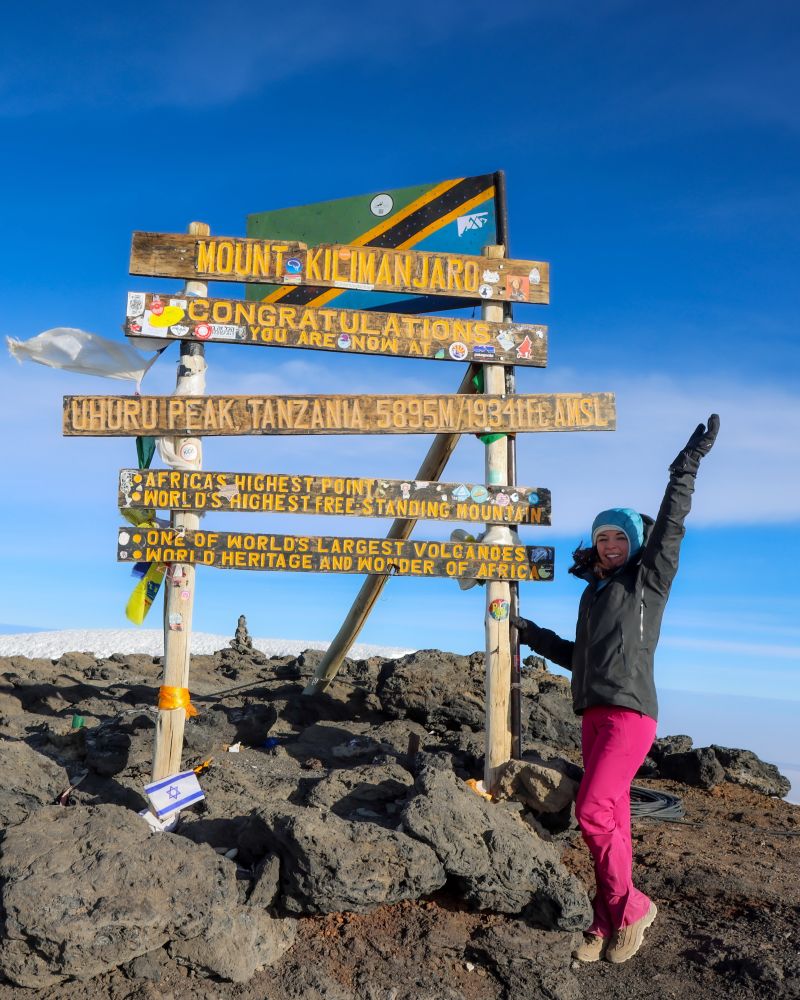
You wake up around 11:00 PM or midnight. After a light snack and hot tea, you begin the ascent under headlamps. The climb to Uhuru Peak, the highest point on Mount Kilimanjaro takes approximately 6–8 hours.
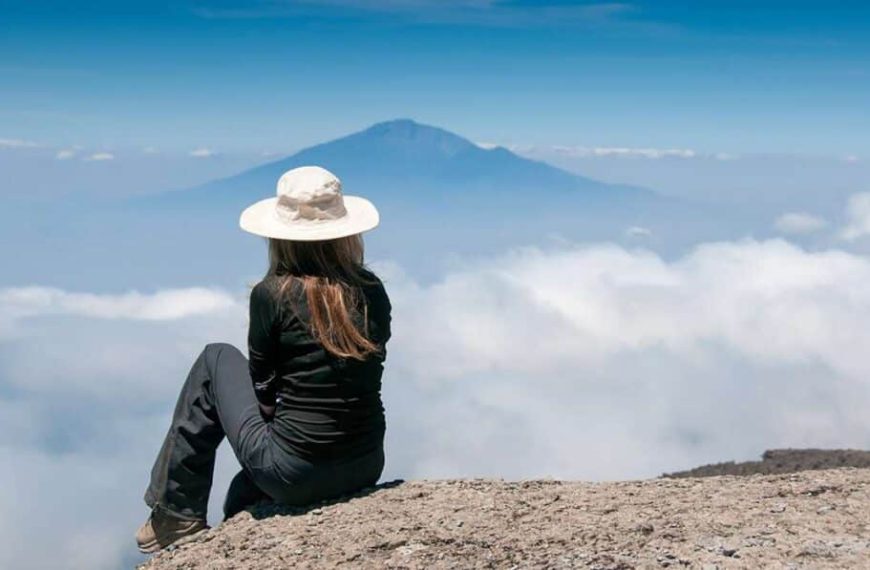
Temperatures can drop below -10°C. The pace remains slow and steady, with frequent short breaks. Reaching the summit at sunrise is one of the most powerful moments of the entire journey. After photos at the summit sign, you descend back to high camp for rest before continuing further down to a lower elevation.

Hygiene and Comfort on the Mountain
Basic hygiene is maintained through:
- Handwashing stations
- Portable toilets (with premium operators)
- Wet wipes
- Limited washing water
While conditions are simple, reputable operators like Boko Explorers prioritize cleanliness and comfort as much as possible. Private toilet tents significantly improve the overall experience.
Mental and Emotional Rhythm
Beyond the physical routine, Kilimanjaro follows a powerful emotional rhythm.
You begin energized and excited.
Mid-climb brings physical challenge and mental tests.
Summit night pushes determination and resilience.
Descent brings reflection and pride.
The structured daily routine provides stability, which helps climbers focus on one step at a time.

Why the Routine Matters for Safety and Success
The consistent daily structure is not accidental. It is designed to Promote acclimatization, Monitor health, Maintain energy levels, Prevent exhaustion, Increase summit success
Altitude does not reward speed. It rewards patience. Following a disciplined daily routine dramatically increases your chances of standing at the summit safely.
Why Climb with Boko Explorers?
A well-managed daily routine requires professional organization.
Boko Explorers provides:
Experienced, certified mountain guides, Daily health monitoring, Pulse oximeter oxygen checks, Acclimatization-focused itineraries, Nutritious, well-planned meals, High-quality tents and equipment, Private toilet facilities, Comprehensive safety briefings
We handle the logistics so you can focus entirely on the journey.
So, what is a typical day on Mount Kilimanjaro like?
It is structured, purposeful, and carefully paced. From warm morning tea to evening briefings under the stars, each day builds toward the ultimate goal reaching the Roof of Africa safely.
The routine may feel simple, but it is precisely this structure that turns a challenging high-altitude trek into an achievable adventure. With the right preparation and professional guidance, every day on Kilimanjaro becomes a step closer to a life-changing summit experience.